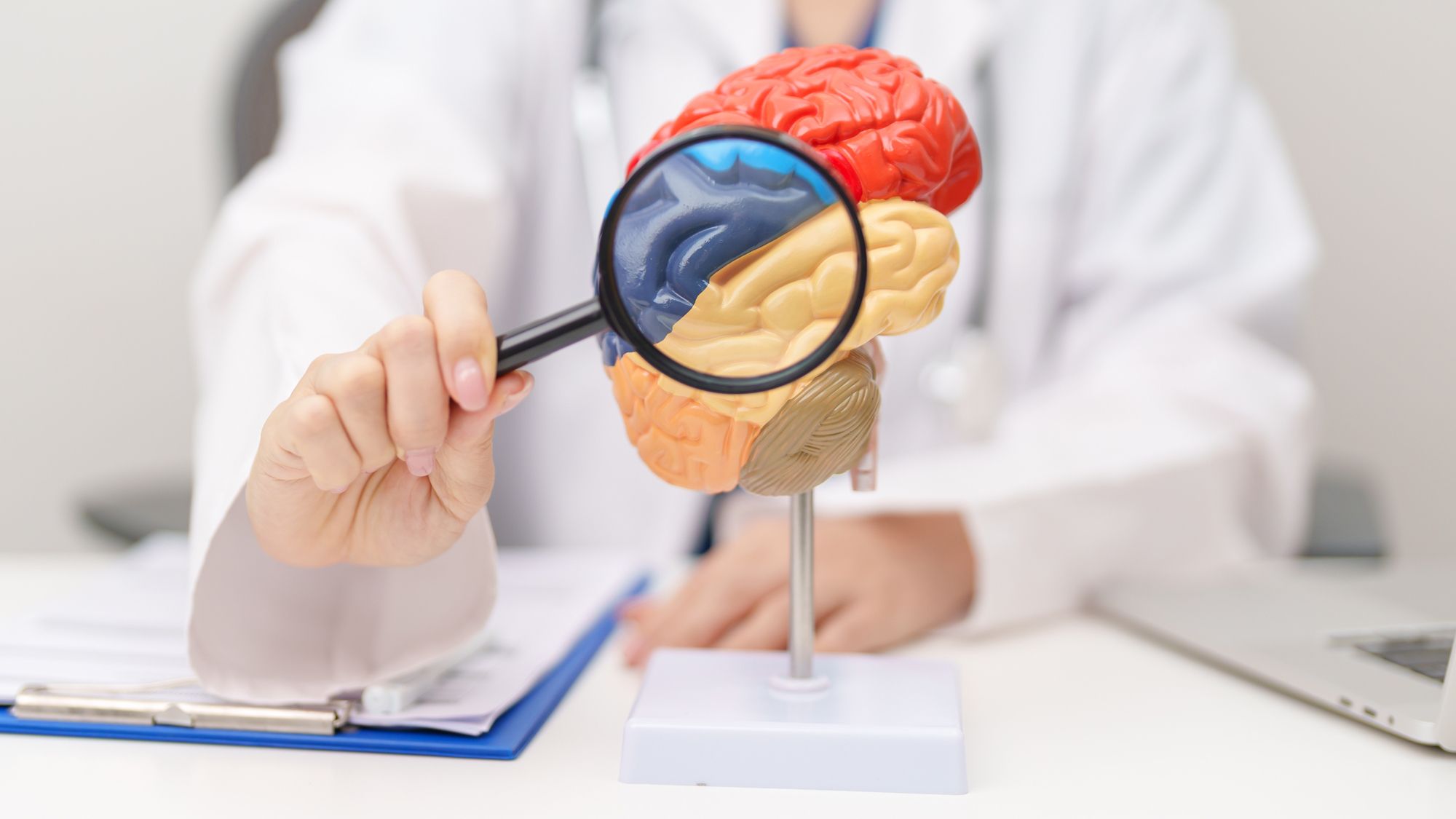
(Image credit: Shutterstock) Taking care of my health is something I take seriously. I try to stay active, look after my mental well-being, and keep up with regular dental and eye exams.That made me curious when I learned about World Brain Day, a global awareness campaign focused on brain health and neurological disorders. According to the World Federation of Neurology, more than 3.4 billion people worldwide are living with a neurological condition. Yet millions still struggle to get the care they need because of high treatment costs, shortages of specialists, and long wait times for appointments.To mark World Brain Day, I turned to ChatGPT to learn more about brain health and what I can do to help protect it. The conversation gave me plenty of useful information—and, just as importantly, pointed me toward topics worth researching further with trusted medical sources. These are the seven prompts that helped me better understand my brain health.A prompt centered around the actions I can take to protect my brain health (Image credit: Shutterstock)I asked ChatGPT to come up with a list of prompts built around the WFN’s five core pillars of World Brain Day, which are as follows:Brain Health Is for Everyone – Equity in care.Earlier Access Changes Lives – Prioritizing early intervention.Prevention Starts in Everyday Life – Reducing risk factors.Bring Brain Care Closer to Home – Community-based support.Awareness Must Lead to Action – Measurable impact.The first prompt the chatbot created for me was this one: Explain the five biggest things I can do today to protect my brain health and rank them by the impact they'll likely have over my lifetime.ChatGPT started off its thorough explanation to that prompt by stating the following: Protecting your brain health is less about finding a single “brain-boosting” trick and more about consistently reducing risk factors while strengthening the systems your brain depends on: blood flow, sleep, learning, emotional regulation, and social connection.The five tips the chatbot proceeded to give about prolonging my brain’s healthy status included prioritizing my cardiovascular health, treating my sleep sessions like they’re brain maintenance, constantly challenging my brain through daily learning practices, strengthening my relationships through daily instances of social connection and reducing all forms of chronic stress & emotional resilience.Get instant access to breaking news, the hottest reviews, great deals and helpful tips.The three main habits ChatGPT told me to adopt daily include walking for at least 30 minutes, getting a full night of quality sleep and spending meaningful time with another person. Those actions go a long way toward improving my blood flow, brain repair, mood regulation and cognitive resilience.Moving my body, nourishing my brain with educational material like books, challenging my brain with all manner of physical & digital puzzles, connecting with people via meaningful conversations and recovering after a long workday with at least seven to nine hours of sleep are all vital behaviors worth adding to my daily routine.6 more prompts focused on learning about brain health, warning signs of brain disorders and more (Image credit: Shutterstock)As for the other prompts that proved to be enlightening on the topics of being aware of the most common brain disorders, common myths about brain health and more, these six provided me with the informative chats I was looking for:Pretend you're a neurologist giving a free 10-minute brain health consultation. What questions would you ask me, what risk factors would you look for, and what lifestyle changes would you recommend?Teach me the early warning signs of the most common brain disorders—including stroke, dementia, Parkinson's disease, epilepsy, and multiple sclerosis—and explain when someone should seek medical attention.Design a science-backed 30-day brain health challenge that improves memory, focus, mood, sleep, and long-term cognitive health using habits that take less than 30 minutes a day.If someone lives in an area with limited access to neurologists or brain specialists, what practical steps can they take to monitor their brain health, find reliable resources, and advocate for better care?Bust the 10 most common myths about brain health, memory loss, aging, and neurological diseases, and explain what the latest scientific evidence actually says.Create a personalized brain health scorecard. Ask me about my sleep, diet, exercise, stress, social life, learning habits, alcohol use, and medical history, then explain which areas deserve the most attention and why.The takeaway2026 has turned into a year where my knowledge of holidays has extended beyond the usual ones that force everyone to spend a whole bunch of money to satisfy their loved ones.World Brain Day will remain an important holiday to me from this point forward—learning about the devastating ailments that target the brain, getting informed about the best practices one must adopt to improve & maintain their brain health and getting an early detection of neurological conditions shouldn’t be just a holiday occurrence, but a daily, weekly and monthly one. Follow Tom's Guide on Google News and add us as a preferred source to get our up-to-date news, analysis, and reviews in your feeds. Subscribe to Tom's Guide on YouTube and follow us on TikTok.More from Tom’s GuideLooking for a job after 50? Here are 7 ChatGPT prompts to level the playing fieldI asked ChatGPT how to stay cool during a heat wave — these 9 tips actually workedMy mom is in her 70s and uses AI every day — these are her 5 go-to favorite uses Elton Jones covers AI for Tom’s Guide, and tests all the latest models, from ChatGPT to Gemini to Claude to see which tools perform best — and how they can improve everyday productivity.He is also an experienced tech writer who has covered video games, mobile devices, headsets, and now artificial intelligence for over a decade. Since 2011, his work has appeared in publications including The Christian Post, Complex, TechRadar, Heavy, and ONE37pm, with a focus on clear, practical analysis.Today, Elton focuses on making AI more accessible by breaking down complex topics into useful, easy-to-understand insights for a wide range of readers.
I used ChatGPT to learn about World Brain Day — these 7 prompts taught me how to improve my brain health
Full Article
Original Source
Read the full article at Tomsguide →KhanList aggregates and links to publicly available news content. We do not host full articles from third-party sources. Always verify important information with original sources.