
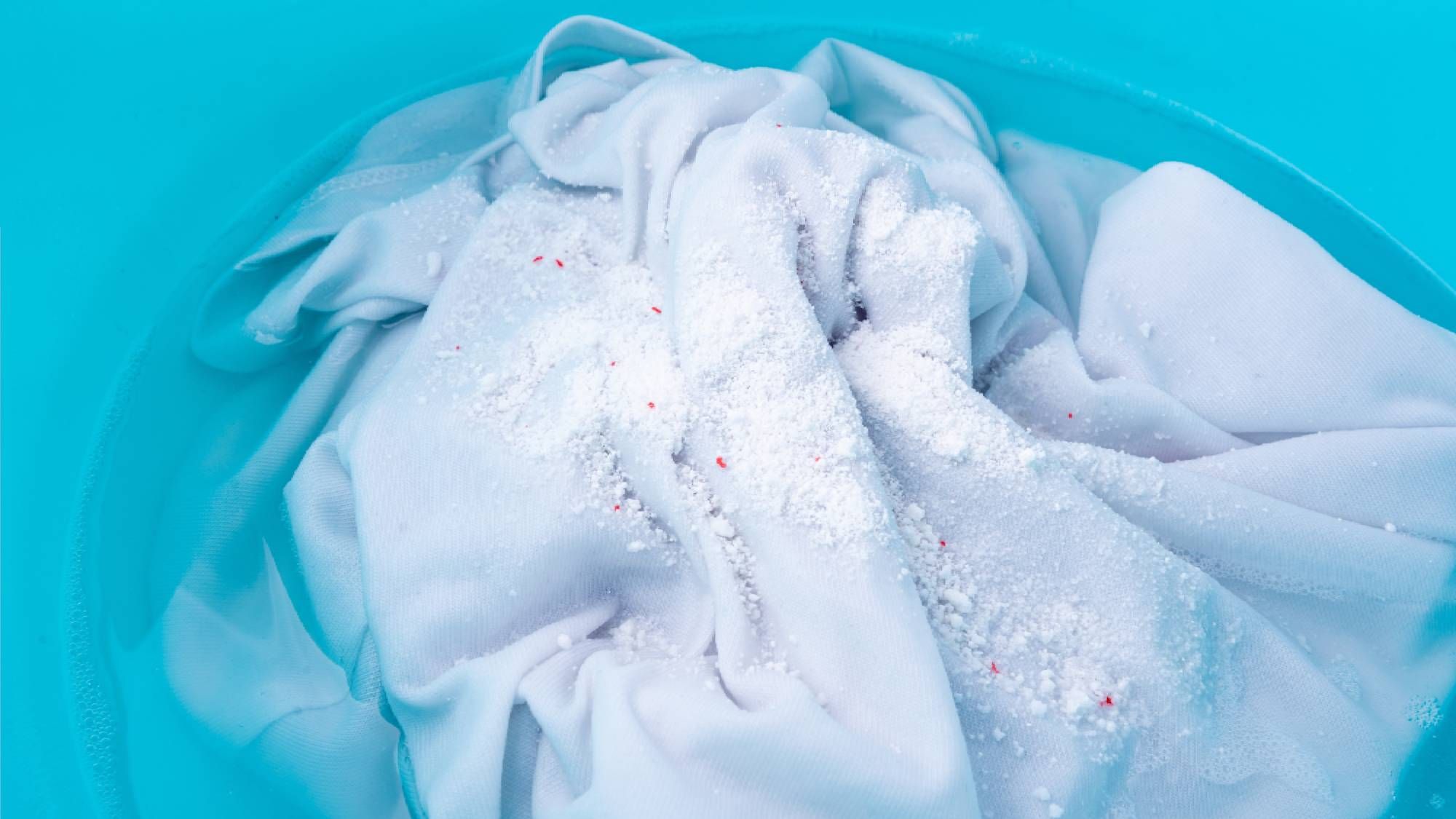
(Image credit: Shutterstock) Liquid chlorine bleach is a powerful tool for sanitising and brightening white linens, but there is zero room for error once you open the bottle.Because towels and bedding absorb high levels of body soil (stuff like body oils, dead skin flakes, sweat, etc), occasional bleaching is an effective way to deeply disinfect fabrics and break down microscopic residue.However, using it incorrectly can backfire. If applied directly to organic proteins like sweat, it can trigger a chemical reaction that locks in stains and turns fabrics yellow.To get that ultra-bright look without stripping away fabric strength, here is how to use bleach correctly every single time.3 essential rules before you start (Image credit: Shutterstock)Before opening a bottle of bleach, set your washer up for success with a few crucial pre-checks.First, decode the care tag on your linens. Look for a solid or open triangle symbol to confirm the fabric is bleach-safe. If you spot a crossed-out triangle, avoid chlorine bleach entirely because it will permanently ruin the material.Next, watch your detergent levels. Always pay attention to the detergent’s suggested amounts on the bottle and follow them closely. Too much detergent creates soapy residue that traps dirt in the fibers, while too little won’t clean properly.Get instant access to breaking news, the hottest reviews, great deals and helpful tips.And finally, avoid overstuffing the machine, which prevents water and bleach from circulating evenly. For top loaders, only fill the drum about three-quarters full.For front-loading machines, use the palm trick: you should be able to easily fit your hand vertically between the top of the laundry pile and the top wall of the drum. If there isn't enough space for your hand, the washer is overfilled.How to bleach towels and linens safely 1. Sort and load Only wash pure white items together. Never mix colored trim, patterns, or dark fabrics into a bleach load. Where possible, separate heavy bath towels from lightweight linens so everything tumbles evenly, placing items loosely into the drum.Then add your regular laundry detergent into the main dispenser drawer or directly into the drum following the package instructions for your specific load size. 2. Add bleach the right way Never pour undiluted bleach directly onto dry or damp fabrics, as concentrated liquid will burn holes straight through cotton fibers. For front-loaders and machines with built-in dispensers: Pour liquid chlorine bleach directly into the dedicated bleach compartment, filling it only to the designated "Max Fill" line. Do not overfill, or the machine will release the bleach too early. The washer will automatically dilute and release it at the precise moment during the cycle. For top-loaders without a dispenser: Allow the drum to fill completely with warm or hot water first. Measure ¾ cup of bleach (up to 1 cup for heavily soiled loads) and pour it into the water roughly five minutes after the cycle starts. This delay gives your detergent enzymes time to begin breaking down surface dirt before the bleach activates. 3. Run a hot cycle with an extra rinse Washing with the hottest permitted water setting activates bleach to sanitize and lift deep-seated stains. Selecting an extra rinse cycle is essential to remove lingering chemical residue that may weaken fibers or irritate skin.Once washed, transfer the wet items directly to the dryer on high heat or line-dry them outside in direct sunlight. Leaving freshly bleached, damp towels sitting inside a closed machine can trigger instant mildew odors. How often should you bleach?Less is more when it comes to chlorine bleach. Bleaching every time you wash your linens will weaken the cotton threads over time, causing premature fraying, holes, and roughness.Limit bleaching to once every four to six weeks to lift general dinginess, or reserve it exclusively for deep sanitisation after someone has been sick.Are you team chlorine bleach, or perhaps you have another hack for keeping whites looking crisp? Share your go-to laundry tip with us in the comments. (Image credit: Future)Follow Tom's Guide on Google News and add us as a preferred source to get our up-to-date news, analysis, and reviews in your feeds. Make sure to click the Follow button!More from Tom's Guide I restored my graying socks to brilliant white using one overlooked stepI brought my yellowed pillowcases back to bright white using a simple 2-ingredient soakI revived my stiff, scratchy bath towels to their original softness using simple pantry staples Kaycee is Tom's Guide's How-To Editor, known for tutorials that get straight to what works. She writes across phones, homes, TVs and everything in between — because life doesn't stick to categories and neither should good advice. She's spent years in content creation doing one thing really well: making complicated things click. Kaycee is also an award-winning poet and co-editor at Fox and Star Books.
I stopped my white towels and linens from turning yellow using this simple bleach rule
Full Article
Original Source
Read the full article at Tomsguide →KhanList aggregates and links to publicly available news content. We do not host full articles from third-party sources. Always verify important information with original sources.