Published Aug 14, 2026, 10:15 AM EDT I am an author and features writer at Android Police. I primarily writes guides, how-tos, and roundups on the latest smartphone apps and features for Android Police since joining the team in early 2022. While my work often diversifies depending on the topic, you'll often find me writing about the newest entertainment or hidden utility Android apps or discussing my paranoia about digital privacy and poor smartphone practices. I will occasionally dabble in Samsung's latest features in One UI. On the games side, my area of expertise is in action RPGs and gacha games, but I will play and study the occasional competitive shooter. But most of all, my appetite for new stories still goes unquenched — as shown with my personal love for the Trails series. Before joining Android Police, I studied chemistry and graduated with an honors specialization in Chemistry in 2016, leading me to spend many hours toiling around the lab as an undergraduate. Eventually, all those hours spent at the lab led me to develop my analytical mindset. So now, if you give me a problem, I will relentlessly tackle it to find a solution. My favorite pastime as a student was always writing reports, presentations, tutorials, and literature reviews, which guided me into completing a graduate certificate in technical writing in 2019. Thanks to my current role with Android Police, I learned to appreciate user security and privacy, leading me into studying Cyber Security. My first Android phone was the Samsung Galaxy Note II in 2012, which gave me a taste of how a small piece of powerful hardware can open up endless opportunities for my favorite hobbies. Though if you ask about my purchasing regrets, I will always say missing out on the Google Nexus still stings to this very day. I've also been a gamer for over 20 years, starting with Super Mario Bros. on the NES. Thanks to those early influences, I now own over 15 devices for gaming, ranging from handhelds to consoles. Nowadays, you'll find me studying spreadsheets and assembling data to theorycraft new teams and builds for Genshin Impact, Honkai: Star Rail, Wuthering Waves, and Zenless Zone Zero. You'll also see me digging deeper to uncover the truth behind AI as a field: which part is actually useful, or it just a bunch of bloat being sold with your phone? I juggle too much storage between my internal storage and Google's. For example, 15GB of free Google storage is tough to manage. A standard JPEG can take up around 3MB, while a RAW file can be around 30MB. It's an issue I can safely ignore by avoiding uploading to the cloud or storing images on Google Drive. But for my phone storage, there's little point in sweeping the problem under the rug when I want to download new apps, save files, voice transcripts, and more. So instead of mad-dashing to delete 1,000 photos off my phone, I used a file manager app to see what else could be taking up precious gigabytes of storage space. It turns out that a hidden folder left behind a bunch of residual files on my primary Samsung phone after I deleted most of my gaming apps. Deleting those gave me back several gigabytes of space. Apps leave residual files that can grow big in size Delete these to give your device some space to work with After careful inspection of my storage, two folders were found to be consuming unnecessary space. The first one was Downloads. That shouldn't be too much of a surprise, considering that I usually use Quick Share to receive photos from family, save images from the web, and open various Google Sheets on my device. I have recently been better at getting my Downloads folder under control, especially when I sometimes find photo duplicates taking up space when they shouldn't. Thankfully, deleting duplicate photos doesn't take much effort since my Samsung phones have a Cleanup tool built into the Gallery and a Duplicate files section in the Samsung My Files app. The second folder was hidden in my Android storage. I was able to find it under Android > obb in my internal storage. If your OBB file section is empty, the OS may be blocking your file manager from viewing them. You can bypass this using Shizuku with a secure file manager, like FV File Explorer, without rooting your phone. You can view the folder by plugging your phone into a computer and selecting Transferring files / Android Auto in your phone's USB settings (my preferred method). The OBB section stores residual files from apps that you installed, and sometimes uninstalled. This can include configuration files, downloaded content, and cached data. You have to be careful not to remove files for apps you do use, or you risk corruption or data loss. For the ones you know you've uninstalled recently, you can look for data you left behind. I do this more often on the phone I use for gaming, since I am always running out of storage space and have to uninstall and reinstall other apps every few months to free up space. Deleting all my other apps and photos couldn't solve the issue, especially since most of those gaming apps are live-service titles that grow in size each month (Genshin Impact used to take only 30GB three years ago; now it takes around 50GB). I looked for the cached data or extra data from those uninstalled apps, and the OBB can accumulate gigabytes of data. It's where large asset packages are stored — anything from 3D graphics to music and video can be found here. Use the archiving feature as a compromise Make space without nuking your app data Credit: Lucas Gouveia / Android Police I hoard apps and deep-freeze the ones that I no longer use. Partly because I like using utility-based apps and want to keep checking stats or reports routinely. I dislike deleting them unless I absolutely have to; either I find out they require more permissions than I am comfortable with, or I am running out of storage space. But if storage space is a concern, that's where archiving apps might be worth using. Instead of erasing all the data you might have stored in the app, the feature retains it but removes the necessary storage data on your phone. It means you need to re-download the app after you've done this, but it keeps your data, so you don't necessarily have to redo your saved settings. That gave me some reprieve for apps where I save my login tokens. Some apps are almost a year old, and I don't remember how I got in, which is why I was nervous about uninstalling them from my device. Archiving is done on the same screen where you access your apps. You can either long press an app icon on your home screen and tap the i icon, or visit the app section in your settings. Archived apps will be faded on your home screen and in your app drawer, so they remain visible but are easy to distinguish by a cloud and down arrow symbol over the app icon. You can restore them by tapping the archived app on the home screen or in the app drawer, or by tapping Restore in your app settings. Keep managing your phone's storage space Expanding storage is a rare option. You become stuck with the limitations of your internal storage. Yes, 512GB is a lot of space; 256GB is workable, but 128GB is where it starts to get tight if you download media or games or keep large files on your device long-term. Files by Google breaks down what's consuming your storage by categories. Videos and photos have been my go-to for massive deletions for years, but lately I have explored what was taking up so much space in my apps. That came down to the residual and expansion files, which took more space than I realized. That also applies to cloud storage options, which I need to fix, especially since Android backups now count toward your Google storage (effective since July 2026).
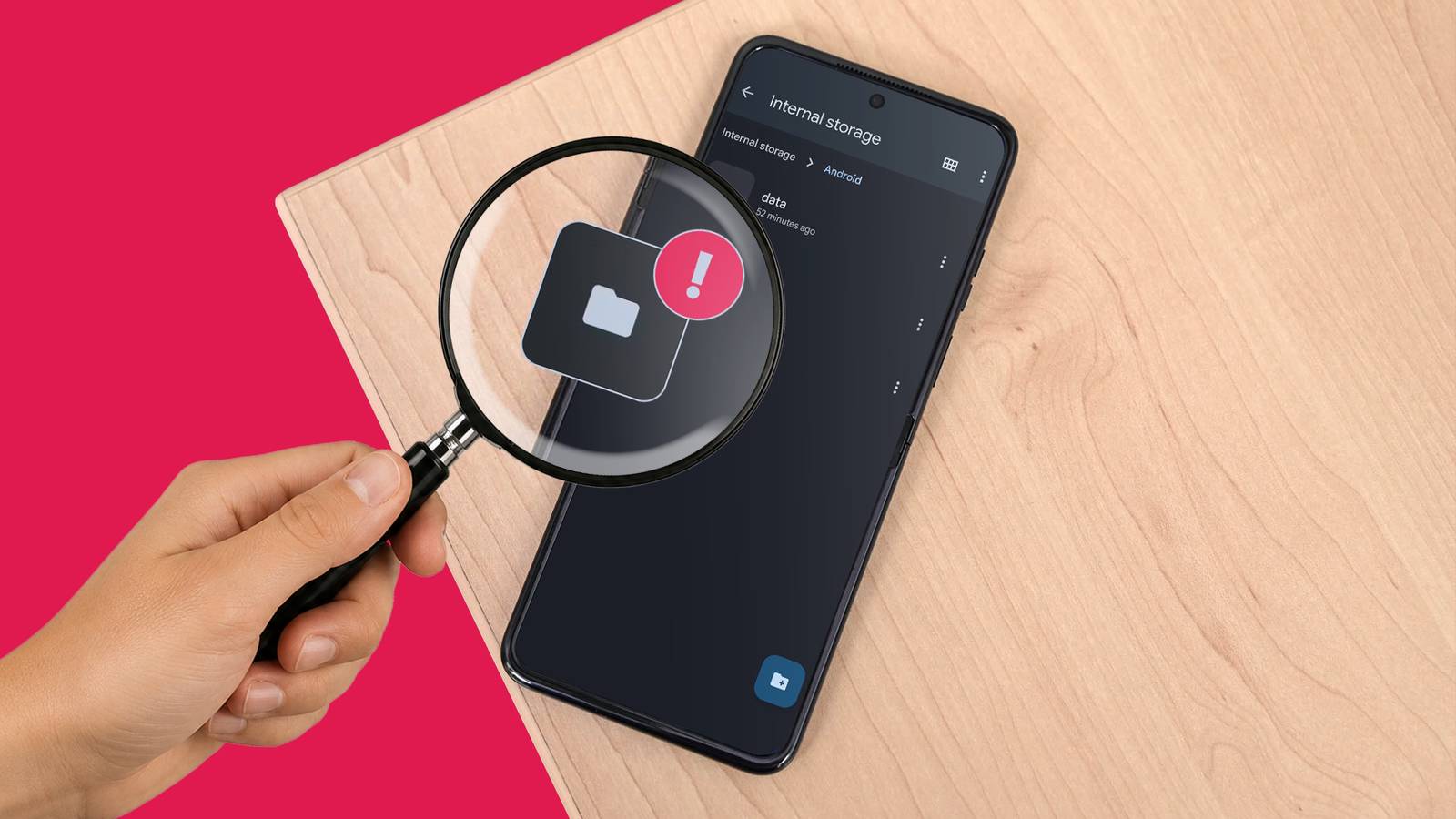
I spent years deleting favorite photos before realizing this hidden app folder was eating my storage
Full Article
Original Source
Read the full article at Androidpolice →KhanList aggregates and links to publicly available news content. We do not host full articles from third-party sources. Always verify important information with original sources.