
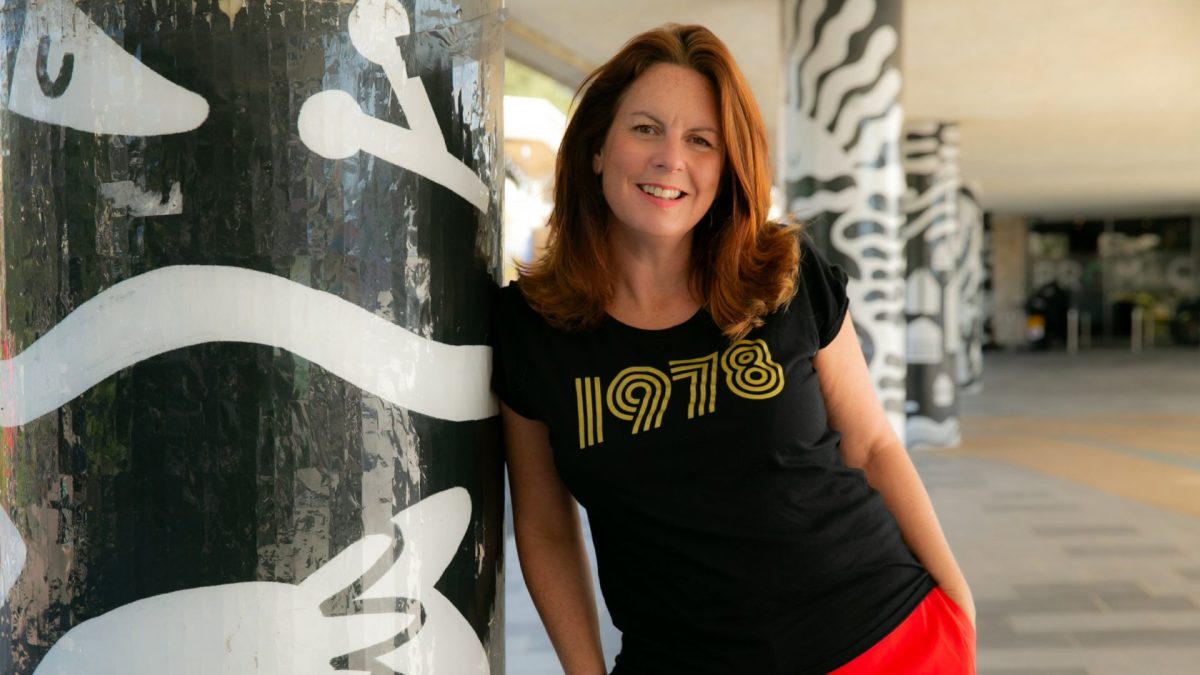
Kelly Keating had a successful corporate career for decades but recently pivoted away from that path and fulfilled her dream of starting a festival – something only made possible by her large pension pot. Kelly, 48, worked for big names like the RNLI, LV= and JP Morgan for nearly 30 years but changed path in 2021, setting up her own coaching consultancy. She decided to take stock of her finances in 2025 and realised she could afford to start her own event, after saving as much as 18 per cent of her salary into her pension, building a pot now worth £500,000. Shorts Kelly decided to start boosting her pension savings after one of her managers introduced her to the concept of “leveling” – essentially putting in as much into your pension as you can afford. “You get used to living on less money, and adjust your lifestyle around that, rather than just maxing out and spending everything that you earn. Obviously the compound interest of your employer also paying you more increases your pension pot over time,” Kelly explains. She took this advice on board having contributed to her pension from the age of 28, when she joined a company with a generous matching scheme. In this role, she made the maximum personal matched contributions for the next eight years. After moving jobs, at her maximum, she was putting 18 per cent of her salary into her pension. Keating says she could retire on the amount she has already saved if she wanted to (Katie Needle) Later, when she returned to work from maternity leave on a part-time basis, Kelly reduced the amount proportionately, increasing her payments to the same amount as if she were working full-time. Kelly, who is based in Bournemouth, also invested her pay rise differences into her pension, and benefited from a salary sacrifice pension scheme at her last employer, meaning she paid less tax and National Insurance on her remaining salary, minus the amount she chose to put into her pension. She says she never missed the additional money, as living with a certain amount of income became her norm. “I’ve always tried to be relatively savvy. I’ve never been a handbag or shoes person. I’m quite happy to shop in Lidl or Aldi rather than Waitrose. I would rather have a 10-minute walk than pay for parking. “Even after I met my husband, we’ve never been massively frivolous. We don’t have expensive cars. We don’t go on ridiculous holidays. We’ve got a camper van. We’re not big spenders.” Kelly also deliberately moved away from the default pension fund offered when she first joined, switching into her own fund where she initially chose to invest in high risk funds to benefit from higher returns. She later moved her money into the most ethical funds available, avoiding sectors such as fossil fuels, tobacco, gambling and defence. Last year, Kelly reviewed her and her husband’s outgoing expenses and identified where they could cut back to afford living on Kelly’s smaller self-employed income. She worked out this would be about £2,000 less per month than her corporate salary. “We had the conversation, ‘this is what I’m thinking. These are the potential implications.’ And it wasn’t as much as we thought. I realised we could relatively easily save a couple of grand a month,” says Kelly. She cancelled streaming subscriptions and kept the £500 car she had bought as an interim when her previous one broke down. She now only buys new clothes if she has sold something on Vinted and can use the balance to buy something else on the platform. She will also now only say yes to special social invitations, and invite friends over rather than go out. Kelly said: “The only luxuries we’ve kept are food deliveries like Gousto, as I find that means I shop and buy less food that we don’t need. We also kept our cleaner, but we’d already gone down from weekly to fortnightly.” How to plan how much you will have in retirement To help Kelly and her husband plan their future, the Kelly used PensionBee to forecast how long her pension would last. She based her modelling on a retirement age of 60, with no further contributions, besides a likely injection of £100,000 from downsizing their current property, to ideally be mortgage-free. Kelly also included receiving the state pension from 68, and not taking out the 25 per cent tax-free lump sum at 55 that is currently available. At the time, her pension pot was worth £460,000, and it has now gone up to around £500,000. The modelling showed Kelly she’d be able to retire at 60 with a £774,000 pension pot, and a £30,000 yearly income, which she would be able to live on until past the age of 100. Based on that, she says she would potentially take out a lump sum in her later years. Kelly’s financial situation gave her the confidence to launch her women’s festival last November. Called “Wild and Wiser” and running in September in Dorset, it will feature talks on career reinvention, managing menopause, as well as dance and choir workshops, and forest hikes. She has included a panel dedicated to financial planning, based on her experience of creating the financial freedom to pursue her passions. “I feel like it’s really resonating. I hear so many women say, ‘I really need to sort my sh*t out’, and that’s either about leaving an employer they really don’t like, or it’s leaving a relationship potentially. All of those things are underpinned by money,” says Kelly. She’s not in a position to pay herself a salary from the festival yet, but is optimistic it will break even so she can expand it next year. “The position I am in with my pension buys me more agency in how I spend my time until I retire. I no longer have to compromise anything about myself to work in environments that don’t align with my own values. For me that is worth it.”
I paid 18% of my salary into a pension – it’s now worth £500,000 and I can retire at 60
Full Article
Original Source
Read the full article at Inews →KhanList aggregates and links to publicly available news content. We do not host full articles from third-party sources. Always verify important information with original sources.