
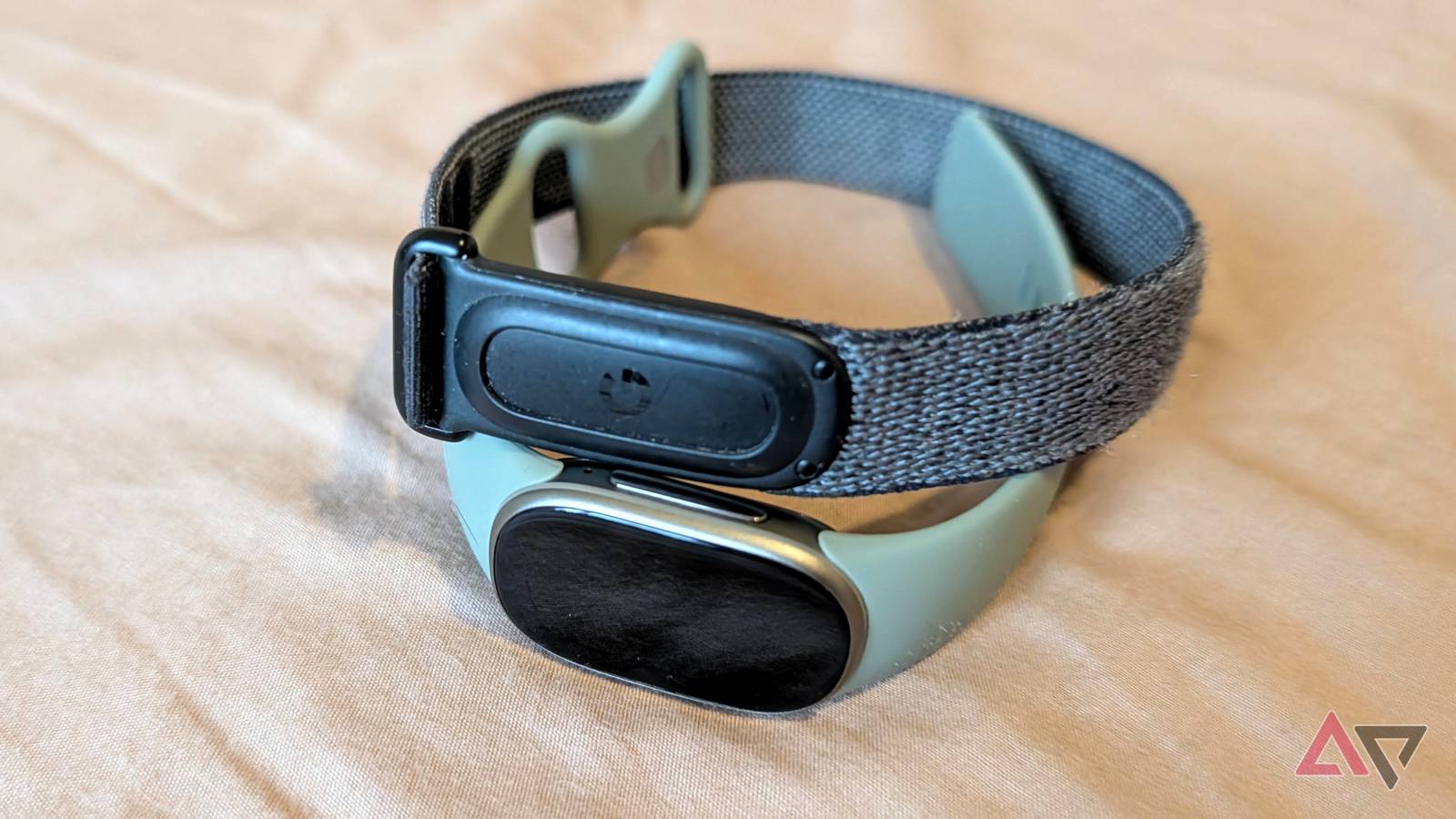
Published Nov 7, 2026, 6:00 AM EST I've been covering Android and other mobile technology for close to ten years now, with a specific interest in phone accessories, e-readers, and what makes each individual phone different from another. I delight in looking at the phone market from as many angles as possible, and while my opinions may be odd, at times, they're always from the heart as much as the head. I have a background in the mobile accessories world, which explains my odd enthusiasm for cases and things that clip onto smartphones. I worked for Digital Trends from 2017 to 2025. The Fitbit Edge is the latest wearable from Google, and despite the name, it's basically a renamed Fitbit Charge. That's not necessarily a bad thing. The Charge was usually one of the best fitness trackers in any year it was released. And true to past form, the Edge is excellent as well. It's packed full of helpful features, and includes some of Google's latest health tracking tricks, like insulin and blood pressure trends. The Fitbit Edge is really good. So why have I stopped using it, and gone back to using a cheaper and less feature-packed device, the Fitbit Air, instead? I really enjoyed my time with the Fitbit Edge It's a good all-round fitness tracker I made no secret of the fact I wasn't sure about the Fitbit Edge. We've seen a new breed of wearable emerge in the last few years. Previous expansions into health and wellness tracking have meant a smaller emphasis on fitness tracking, and that's allowed devices like the Whoop tracker, Fitbit Air, and smart rings to carve themselves a niche in the market. Did a rather simple device like the Fitbit Edge actually have a place in this new world? I needn't really have worried. Quality has a way of making itself known, and the Edge is one of the best fitness trackers I've gotten my hands on in years. While it's a traditional fitness tracker, it also offers plenty of health-tracking potential. It can take ECGs, track your insulin and blood pressure trends, track sleep trends, and note any irregularities in your heart rate. It's so light and comfy that I had to check I was still wearing it on multiple occasions. The display is gorgeous, the design is sleek and stylish, and the battery lasts for a week. The smartwatch features aren't much to write home about, but I try not to use those these days if I don't have to, so that was no loss for me. It's a great all-around device. When I review devices like that, I tend to keep on using them afterward. But I didn't this time. I dropped it immediately and went straight back to my Fitbit Air. What gives? The Edge is all display and no substance I have no need of its biggest advantage Credit: Mark Jansen / Android Police If it were still 2025, I'd probably be wearing the Fitbit Edge. But this year, the Fitbit Air entered my life, and it taught me what I really value in a wearable at the moment. In short, it's taught me that I don't like displays anymore. Don't get me wrong, I stand by my earlier statement that the Edge's display is gorgeous. The problem is there's not very much to do with it. A fitness and health wearable's primary job is to gather data, and both the Edge and Air do that extremely well. The major difference between the two is the Edge's display, and so, you'd expect it to do something with that. But it doesn't. You can look up your stats on the Fitbit Edge, but it's always the most superficial data you can get. For sleep tracking, you get sleep duration and a rating, but nothing else. For the analysis and the rest of your sleep data, you'll need to go to the Google Health app. It made me wonder whether the Edge's display was even worth having, at least for my needs. If you enjoy getting notifications on your wearable, the Edge offers that. But I've become tired of my pocket and wrist buzzing at the same time. Instead, I found the display to be more of a detriment. It drags the battery down every time it's used, purposefully or not, and it has a habit of dazzling me in the middle of the night. It's weird that now, a device has to justify having a display, but that's exactly where I've ended up. And for me, the Edge doesn't. I can happily live without the Edge, and it's entirely because it has a display that I don't want or need. The Air has everything I need and nothing I don't It's time to re-evaluate wearables By almost all metrics, the Fitbit Edge is the better device. It has more features than the Air, a comparable battery life, and the ability to start workouts from the device. It's a better device; it objectively has more stuff going for it. But "better" doesn't always mean "better for me," and that's a valuable lesson to take away from my time with the Edge. A simple tracker is all I need. It's all I really want. Modern life is distracting enough without me adding to it. My smartphone is stuffed with apps that demand my attention, so why add another device? Instead, I have the Air quietly gathering my health data. Because that's all I need. Fitbit Air Battery Life 7 days Health sensors Optical heart rate, 3-axis accelerometer, temperature sensor Dimensions 35 x 17 x 8.3mm (Module) Water Resistance 50 meters Connectivity Bluetooth 5.0 Materials and finishes Polycarbonate module Distraction-free health and fitness tracking in a lightweight and comfortable-to-wear band with up to 7 days of battery life, Gemini's smarts, and advanced sensors to track your heart rate, sleep, and more. Google Fitbit Edge Battery Life 7 days Display 1.34-inches IP rating IP68/5 ATM GPS Yes Connectivity Bluetooth Materials and finishes 100% recycled aluminum The Fitbit Edge is the fitness tracker you want if you don't want a smartwatch, but still want a display. Packed with Fitbit's excellent tracking tools and Google's latest AI insights, it's a solid tracker at a good price.
I love the Fitbit Edge, but the display meant I went back to the Fitbit Air
Full Article
Original Source
Read the full article at Androidpolice →KhanList aggregates and links to publicly available news content. We do not host full articles from third-party sources. Always verify important information with original sources.