
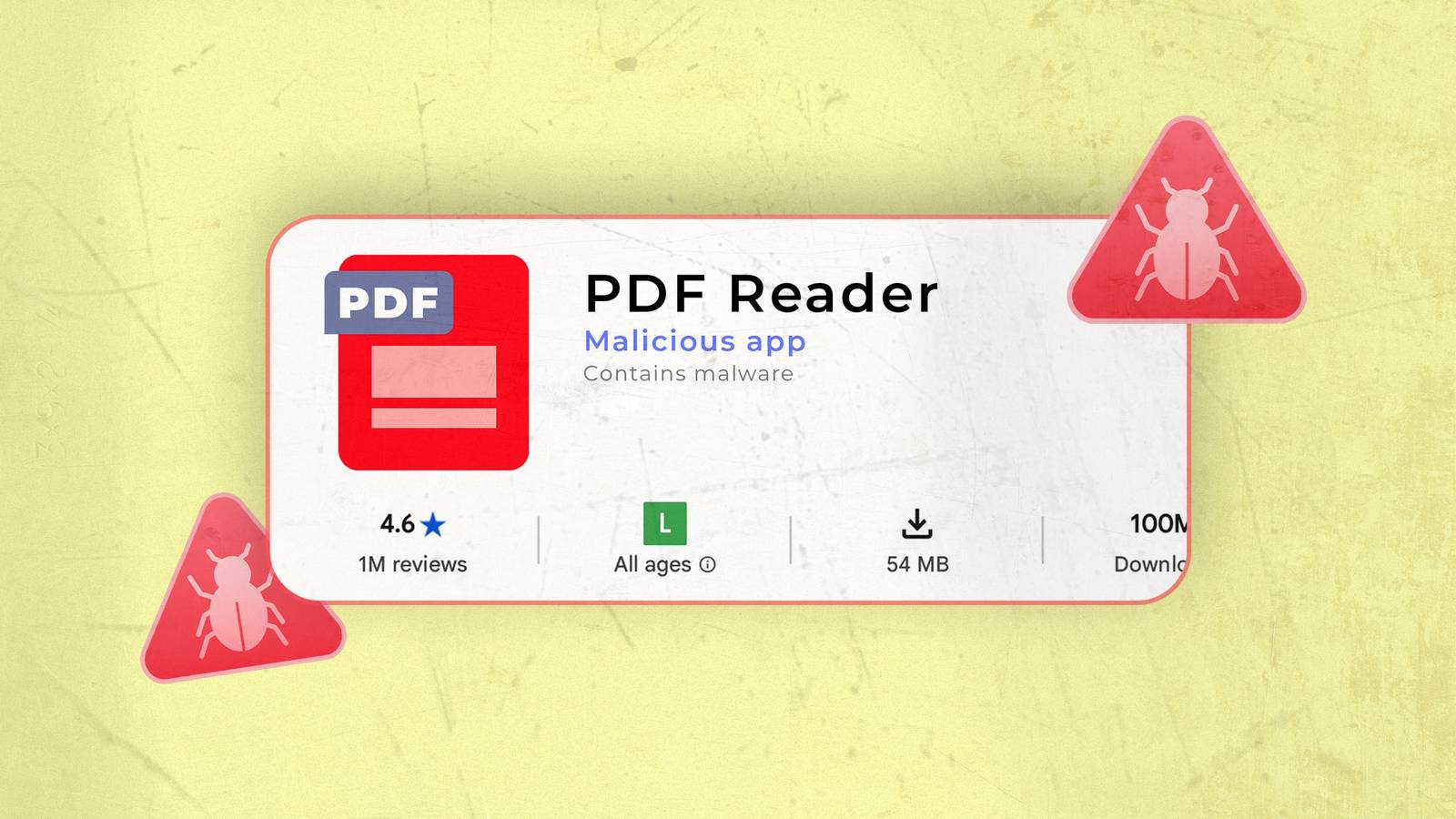
Published Sep 20, 2026, 10:15 AM EDT I am an author and features writer at Android Police. I primarily writes guides, how-tos, and roundups on the latest smartphone apps and features for Android Police since joining the team in early 2022. While my work often diversifies depending on the topic, you'll often find me writing about the newest entertainment or hidden utility Android apps or discussing my paranoia about digital privacy and poor smartphone practices. I will occasionally dabble in Samsung's latest features in One UI. On the games side, my area of expertise is in action RPGs and gacha games, but I will play and study the occasional competitive shooter. But most of all, my appetite for new stories still goes unquenched — as shown with my personal love for the Trails series. Before joining Android Police, I studied chemistry and graduated with an honors specialization in Chemistry in 2016, leading me to spend many hours toiling around the lab as an undergraduate. Eventually, all those hours spent at the lab led me to develop my analytical mindset. So now, if you give me a problem, I will relentlessly tackle it to find a solution. My favorite pastime as a student was always writing reports, presentations, tutorials, and literature reviews, which guided me into completing a graduate certificate in technical writing in 2019. Thanks to my current role with Android Police, I learned to appreciate user security and privacy, leading me into studying Cyber Security. My first Android phone was the Samsung Galaxy Note II in 2012, which gave me a taste of how a small piece of powerful hardware can open up endless opportunities for my favorite hobbies. Though if you ask about my purchasing regrets, I will always say missing out on the Google Nexus still stings to this very day. I've also been a gamer for over 20 years, starting with Super Mario Bros. on the NES. Thanks to those early influences, I now own over 15 devices for gaming, ranging from handhelds to consoles. Nowadays, you'll find me studying spreadsheets and assembling data to theorycraft new teams and builds for Genshin Impact, Honkai: Star Rail, Wuthering Waves, and Zenless Zone Zero. You'll also see me digging deeper to uncover the truth behind AI as a field: which part is actually useful, or it just a bunch of bloat being sold with your phone? Most people think that as long as you download apps directly from the Google Play Store, you're completely fine, right? And sideloading is the only way malware and other suspicious software get onto your device. No, that's not entirely true. According to Malwarebytes, Google removed 77 malicious apps in 2025 that were installed at least 19 million times. That means those apps had 19 million chances to infect your device, steal sensitive information like banking info, and exploit your permissions. Even the top smartphones from Google and Samsung can't protect you from malicious activity that you've accidentally introduced to your device. I thought Google Play Protect and Samsung's app protection were enough, but I was wrong because I encountered a very suspicious app, disguised as a PDF viewer/reader. One persistent notification turned out to be adware App protection and Google Play Protect did not flag it Credit: Lucas Gouveia / Android Police Sometime in the summer, my mom asked me to help remove a notification from her phone. I thought, "Why does she need help?" She knows how to clear her notifications, but since we have the same Samsung phone, it would be easy to refresh her. It turns out this "notification" was persistent, and it was actually an ad that wouldn't go away. It was strange, so I was worried that it was adware. So I ran two scans: one using the Google Play Store and the other using Samsung's built-in app protection, which you can find in the Security and privacy > App security settings. Both scans came back negative, meaning they didn't find malware. So I checked the banner — the one that kept prompting my mom to tap a link to get full protection for the PDF viewer/read app. Without it, her data was vulnerable. To me, it didn't make any sense that an app would need an extra add-on or update to protect my mom's phone. I knew tapping the link would either be a phishing scam or give someone an easy ticket to install malware on her device. Thankfully, like me, my mom has had some cybersecurity training, so she has the common sense not to click links she isn't supposed to. It wasn't difficult to remove, since all I had to do was uninstall it (it didn't require booting into safe mode). If she had interacted with it any other way, I think it could have been trickier to deal with, and my understanding was that she didn't have it for long (so she ended up lucky). I also suggested she report it to the Play Store to let the team know about her experience, since the app essentially had adware. Some apps slip through app protection and Google Play Protect Utility apps are sometimes Trojan horses Credit: Android Police Mistakes happen. You want to download a document reader app to access a file quickly, and lo and behold, that app has more than you've asked for. In the same report (cited above), Malwarebytes iterates that these apps are typically utilities: the document reader app mentioned above, keyboard apps, health trackers, and photo apps. The safest practice is to vet the apps you install, no matter the source — I've let my guard down because it's been published on an official app store used by billions of users. Still, I wouldn't trust it, like in my example above with the PDF viewer/reader my mom installed. A few big tells are how many permissions the app wants; you can check the store listing, but you can also do a quick online search to see if anyone published an article about it. If an app reeks of suspicion, someone has probably written about it. In Malwarebytes publications, I found a 2022 article discussing adware in the "PDF reader - documents viewer" by Fairy games. The author used Android Device Monitor to track the app's activity and find the underlying adware code, while also highlighting the signs that made it suspicious in the Play Store listing. The app had a maturity rating, and the developer name didn't seem in line with the genre of apps it should be publishing. Other apps that might hide aggressive, malicious practices are usually disguised as apps that would "fix" your phone, like battery boosters, and the ones I tell no one ever to install: cleaning/de-junk apps. Always leave malware out of it Protecting yourself against malware is up to you. If anything spoofy is going on, it is your job to investigate — that means apps going rogue may need to be purged. Still, dangerous data-harvesting practices apps can legally do that and never get flagged as malware, so you should be aware of the data-collection practices outlined by those services. Then, lastly, keep your device's security updated because you will want that extra layer of protection to safeguard your data.
I found a malicious app disguised as a PDF reader that Google Play Protect didn't catch
Full Article
Original Source
Read the full article at Androidpolice →KhanList aggregates and links to publicly available news content. We do not host full articles from third-party sources. Always verify important information with original sources.