
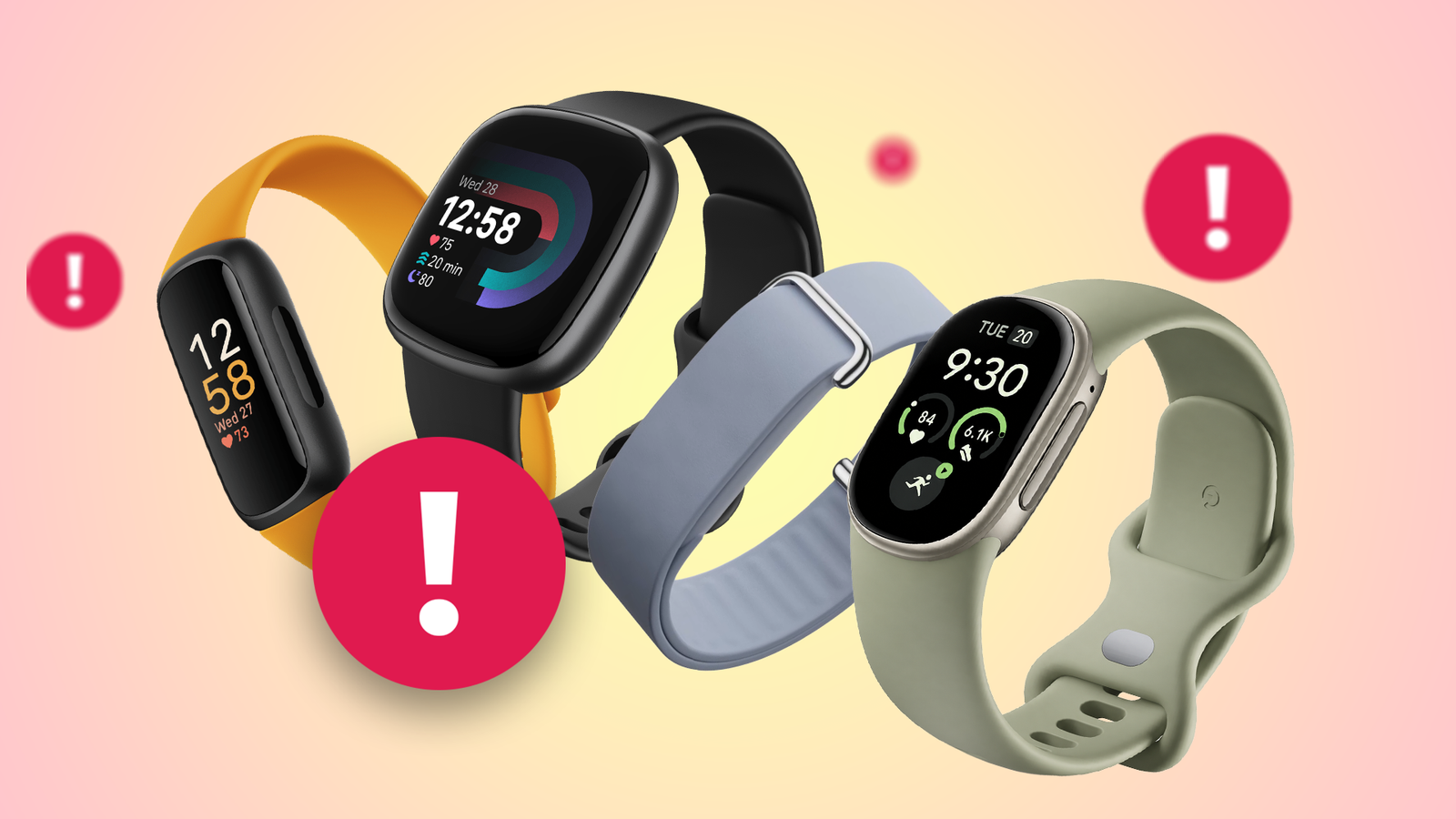
Published Oct 27, 2026, 1:00 PM EDT Jon Gilbert is a technology journalist with five years of experience covering mobile technology. He's covered smartwatches, tablets, smartphones, and Android accessories. He's attended CES to explore unique hardware like the Pebble Round 2 or Mudita Kompakt. His daily mobile tech life revolves around Pixel devices, which he has used since the Pixel 2 XL. Jon loves exploring the latest Android features, but is highly sceptical of anything related AI. I recently picked up the Google Fitbit Air, and I'm mostly satisfied with my purchase. It does an effective job of tracking my health metrics while subtly blending in with the rest of my accessories. However, after a few weeks of use, I'm not sure if I would recommend it, despite its excellent health-tracking metrics. Fitbit devices feel like a financial trap, and one you don't notice for months. I'm unsure about this excellent device Accurate fitness metrics are great, but do I need them? For the amount of health metrics it provides, $100 is a great price for the Fitbit Air. But what does one do with the metrics after? For free, the Google Health app shows core metrics like sleep score, heart rate, breathing rate, daily steps, and calories burned. If you know what to do with this information, a Fitbit device (or any compatible device, like the Google Pixel Watch 5) is a great purchase. I bought the Fitbit Air to see how it could help me exercise. After weeks of a consistent exercise routine, I've noticed positive trends like a lower resting heart rate thanks to my Fitbit Air. Seeing the numbers trend in the right direction motivates me to keep exercising, but it's not the top reason I continue. I exercise more because I feel better emotionally and physically. So why wear it at all? I could level the same critique at any fitness wearable. Unless you have a specific fitness goal that requires a highly tuned exercise regimen, Fitbit devices and their kin are little more than motivational tools. But that's only half the story of modern-day Fitbit devices. Now, there's Google Health Premium. Fitbit devices feel like a way to sell Google Health Premium Google Health feels like half an app without a subscription I don't have a personal trainer, I don't attend exercise classes, and I don't go to the gym. So how do I know I'm doing the right thing? "Well, Jon! Built into the Google Health app is a personal coach available 24/7 that can help you build the perfect fitness plan tailored to your goals!" is what a Google representative would likely say to my query. After using the Google Health app on its own for months, and paired with a Fitbit for weeks, I'm convinced the AI personal coach is what Google is driving all Fitbit owners toward. My Fitbit Air came with three months of Google Health Premium free, and I've studiously queried the app with my fitness-related questions. I don't understand most of the fitness metrics my Fitbit tracks, but the Google Health app does. Using the app without Health Premium feels like half the experience, so I was excited to finally use all those numbers. Everything about the modern Fitbit and Google Health experience drives you towards the premium subscription. Without it, the app implies you won't hit your fitness goals, and they were probably the wrong goals anyway. However, new Fitbit devices include free months of Health Premium. Only after using the app beforehand did I realize how empty it feels without the subscription. The problem? Google Health Premium is just so much noise. Vapid, surface-level encouragement is the opposite of what I need from a fitness app Why doesn't Google Health take my fitness goals seriously? I hoped Google Health's fitness coach would provide solid data analysis and recommendations. For example, if it noticed I hadn't exercised in a few days, it would show me data demonstrating the impact skipping my routine had on my body. If I were exercising regularly, I hoped it would show clear metrics that forecast which fitness targets I would reach and recommend ways to improve my routine to hit them. Instead, it sent me vague messages like "crushed your activity goals this past week" or "Getting 7 hours 1 minute of sleep gives you a solid base for the day." Then it would suggest things like, "Consistent bedtimes may mean better sleep quality." Wow! Really? Consider me educated. I don't need daily affirmations, Google; I need to get fit. Building a fitness plan is more useful, but Google Health Premium still didn't give me the recommendations I wanted. Even after I had worked with the AI coach to build a fitness plan, it refused to give me the specific, targeted feedback I wanted. Like most AI chatbots, it seems that friendliness is its priority. I'm not saying the app needs to hurl abuse at me to motivate me, but I need more than silly statements about how I should "tune into your energy" or "take today as a reset day." I can't trust Fitbit and Google Health to help me hit my goals If I were exercising to fix severe health problems or hit professional targets, Google Health would be a useful app. But for the everyday person who just wants to stay in shape, the experience feels inadequate. I'll keep using my Fitbit Air because I find the fitness metrics interesting. But I won't be renewing my Health Premium subscription when my free trial expires.
I don't trust Google's Fitbit devices — here's why
Full Article
Original Source
Read the full article at Androidpolice →KhanList aggregates and links to publicly available news content. We do not host full articles from third-party sources. Always verify important information with original sources.