
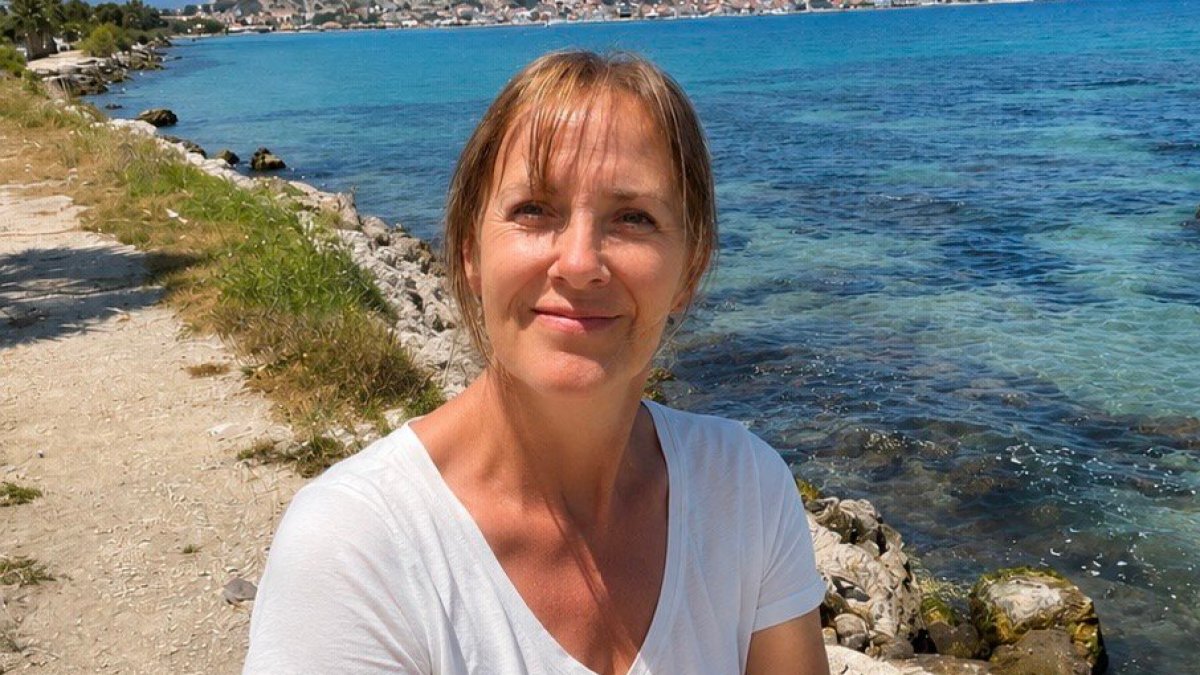
When Sarah Sullivan booked a solo holiday to Switzerland in late 2024, she saw it as a chance to finally put herself first. “It had been a really difficult couple of years,” the 54-year-old from Hertfordshire says. “My children had left home for university; I’d been caring for my elderly mum and I was exhausted. I needed a week to myself to unwind.” Like millions of travellers every year, Sullivan bought travel insurance in a matter of minutes. “I’ve always been really sensible,” she says. “I wasn’t trying to save money or cut corners. I declared the health issues I knew about – high blood pressure and mild arthritis – and thought I was fully covered.” What she didn’t mention was that she’d recently started taking hormone replacement therapy (HRT). “It honestly never occurred to me. Menopause isn’t an illness. Half the women I know are going through it.” That assumption, she says, would end up costing her thousands. Shorts Halfway through her holiday, Sullivan fell awkwardly and broke her ankle. “The snap was sickening, and I panicked. Being so far from home alone, with no one I loved around to help was terrifying.” After being taken to hospital, Sullivan discovered her ankle fracture would need surgery. “Stupidly, I didn’t have a UK global health insurance card, which lets you access state-run hospitals and GPs on the same basis as a local resident. I thought it was alright though, I was covered by health insurance, after all.” Sullivan contacted her insurer via webchat while she was in hospital to let them know she’d had an accident, and they advised her she could pay for her treatment and make a claim when she was home. Luckily, Sullivan was able to pay for the £8,000 hospital stay after raiding her savings, which her husband wasn’t too happy about. “I kept telling him, the insurance will pay out, don’t worry.” Sullivan ended up staying in Switzerland for two weeks after her accident, before a surgeon cleared her to return home. When she arrived back in the UK, Sullivan submitted a claim covering hospital treatment, extra accommodation fees and the cost of changing her flights, totalling just over £11,000. She was still navigating her new life on crutches when, 10 days after submitting her claim, she received a call from the insurance company. “The woman I spoke to was perfectly polite, but she asked why I hadn’t declared I was taking HRT.” Sullivan remembers feeling confused. “I actually laughed because I thought she’d made a mistake. I said, ‘What has menopause got to do with my travel insurance?'” As the conversation continued, her confusion turned to disbelief. “They explained that after getting a medical summary from my GP, and seeing I’d been prescribed HRT before travelling, it should have been disclosed when I bought the policy.” Weeks later, a letter arrived confirming the decision. Sullivan’s claim had been declined. “I burst into tears,” she says. “I couldn’t believe that after what I’d been through physically, I was now being left with a massive hole in my savings account.” Sullivan dreaded telling her husband. “I felt awful. That money was to go towards helping our daughters out at university, and now it was gone.” Her husband was understanding, insisting Sarah’s health was more important than money. But Sullivan says: “I sometimes can’t sleep because of the guilt. I didn’t withhold anything deliberately, I wasn’t trying to hide anything, I just didn’t think it through.” While travel insurance can come to the rescue in many situations, as Sullivan discovered, there are certain circumstances where it might not provide the financial safety net you were hoping for. Data from the Financial Conduct Authority shows that between 2022 and 2024, approximately 21 per cent of travel insurance claims were rejected. Now, whenever someone mentions booking a holiday, Sullivan tells them her story. “People probably get sick of hearing it,” she says. “But if sharing what happened to me stops someone else ending up in my position, then at least something positive has come from it.” Sullivan has travelled abroad since her injury, but is extra careful now. “I make sure I have my global health insurance card and that every doctor’s appointment and medication is logged with my insurers before I go.” Sullivan’s case may seem extreme, but insurance experts say thousands of Brits may be unwittingly invalidating their travel insurance, and leaving themselves liable for huge medical bills if they get ill abroad. Rhys Jones, travel insurance expert at Go.Compare, says: “Every travel insurance policy is different, so it’s important that you always check your own policy documents before you set off to find out what’s covered and what’s not. However, there are a few common things which will invalidate most standard policies that many travellers aren’t aware of, so it’s worth keeping them in mind while you’re planning your trip.” Buying your policy after departure Jones says even if the policy is legitimate, travel insurance that’s bought once you’ve already departed can mean your cover isn’t valid and result in a voided claim. This is to protect insurers against any fraudulent claims. “You can still buy travel insurance once you’re already on holiday, but you’ll need to get a specialist post-departure policy to make sure it’s valid. These are usually only available from a small number of providers and might take a bit longer to come into effect, but they should still cover you for most things that a normal policy would,” says Jones. Not reporting issues promptly Your insurer might not pay a claim if you don’t act promptly enough. As Jones explains: “Some policies might stipulate that you have to report a theft within 24 hours or get medical help within a certain time frame for the claim to remain valid. Every policy is different so try to familiarise yourself with your cover’s requirements before you head to the airport so that you know what to do so you remain protected in these different situations.” Failing to declare any conditions under investigation Most people are aware they should be declaring existing medical conditions, but many people don’t consider those currently under investigation, or ones that have finished treatment. As Jones says: “While it varies between insurers, you’ll usually need to declare any conditions that require ongoing treatment, recent surgeries or conditions that you have finished treatment for, as well as mental health issues and any prescription medication you’re on.” You should also always tell your insurer if you are awaiting a medical diagnosis or tests, even if you don’t feel this is relevant to your holiday. This can include things like awaiting an ADHD assessment or a hospital scan. Alcohol and injuries Jones says that while enjoying a drink on holiday is part of the fun for many travellers, excessive alcohol consumption can have implications for your travel insurance. “If you’re injured in an accident and your insurer determines that alcohol played a significant role, it could affect your ability to make a successful claim. As with all aspects of travel insurance, it’s important to check your policy wording carefully so you understand any exclusions that may apply.”
I didn’t declare my HRT on my travel insurance policy – it cost me £11,000
Full Article
Original Source
Read the full article at Inews →KhanList aggregates and links to publicly available news content. We do not host full articles from third-party sources. Always verify important information with original sources.