
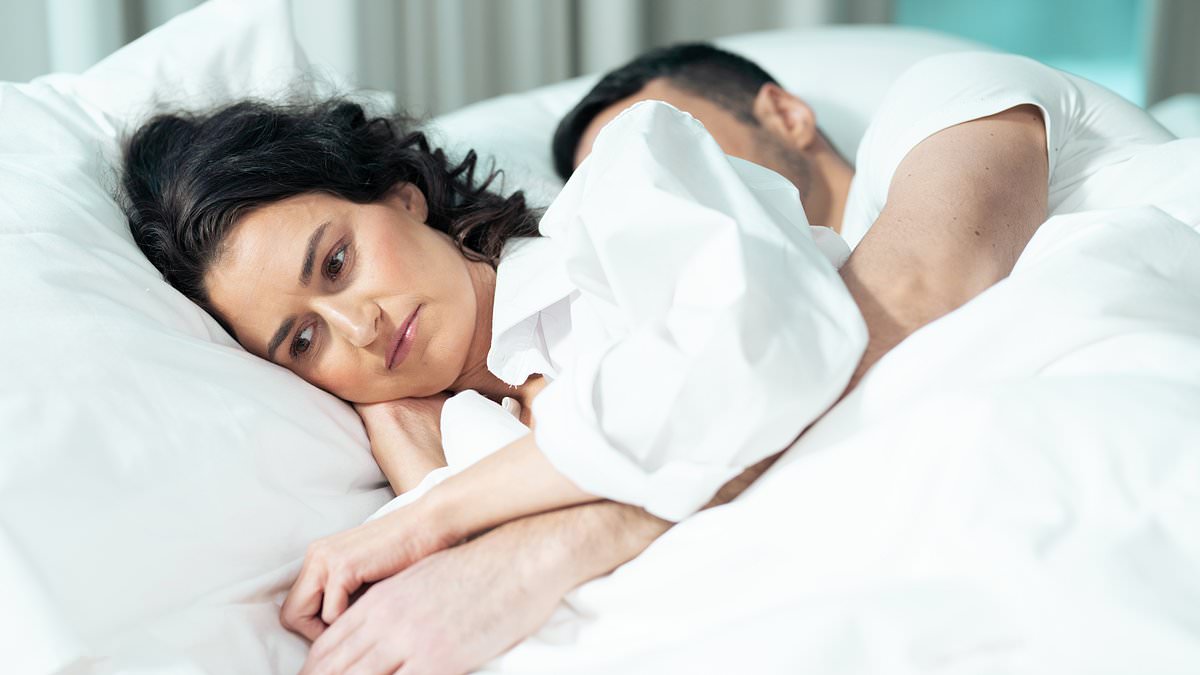
Published: 19:01 EDT, 19 September 2026 | Updated: 19:42 EDT, 19 September 2026 Getting a bad night’s sleep may influence a partner’s diet, according to a study.While previous studies have found that poor sleep leads to poor diet, researchers found this can extend to a partner’s eating habits.They believe this is because couples who sleep together often eat together, meaning one partner’s unhealthy food choices can have a ripple effect on their significant other.The study, published in the journal Annals of Behavioural Medicine, followed 204 couples, with an average age of 42, living together in Canada.Both partners answered questions about their sleep and diet at the start of the study, after one month and after three months. They also kept a diary for the first 14 days to record efforts to eat healthily. At least one person in each couple was overweight or obese and trying to improve their diet or physical activity.The results found poor sleep was linked to a reduced ability to stick to healthy eating goals. A study suggests that a poor night’s sleep may negatively affect not only your own diet but also your partner’s eating habits (stock photo) People who slept poorly reported making less effort to maintain healthy habits. Partners of poor sleepers also reported lower confidence and less effort in maintaining healthy eating habits, even when they slept well.Women reported healthier diets and eating intentions than men, though gender did not change the relationship between one partner’s sleep and the other’s diet-related behaviours.Professor Jean-Philippe Gouin, the study’s corresponding author and a psychologist at Concordia University in Montreal, said: ‘We need to consider the social contexts in which poor eating habits take place. 'That can involve asking how a partner is influencing one’s eating behaviour, whether intentionally or not.‘If we want to make long-lasting changes, both partners need to work together to change the home and food environment so that it is easier to maintain healthier habits over time.’
Overeating and tired? Blame your partner: Researchers find YOUR diet can be influenced if they get a bad night's sleep
Full Article
Original Source
Read the full article at Dailymail →KhanList aggregates and links to publicly available news content. We do not host full articles from third-party sources. Always verify important information with original sources.