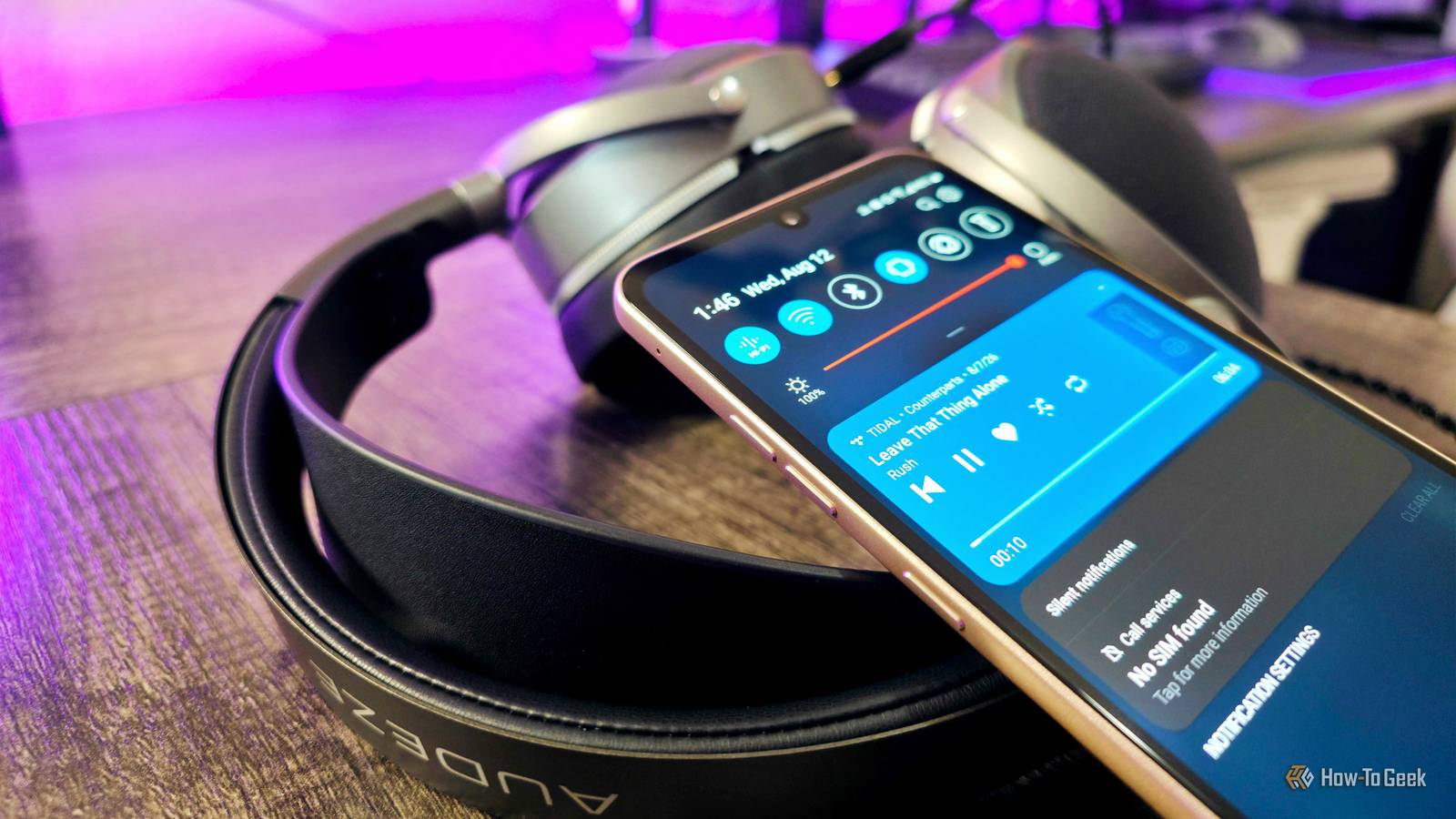
Published Aug 17, 2026, 9:00 AM EDT Zachary Boddy is a seasoned journalist with over six years of experience covering technology and video games, and is now contributing to How-To Geek. Zachary's career began at Windows Central, where their long-running, deep-rooted passion as a tech and gaming nerd fueled thousands of published articles, including reviews, guides, interviews, editorials, and so much more. When Zachary isn't writing, they're playing video games, reading books, listening to music, and spending time with their family, a very food-motivated cat and an exceptionally creative daughter. When I was forced to accept that Windows Phone was going the way of the dinosaurs, I decided LG best embodied what I adored about Microsoft’s ill-fated mobile efforts. Within a few years, LG began to show the same signs of degradation, and I begrudgingly moved on once again… with one exception. To this day, I keep an LG V60 ThinQ—arguably LG’s last true flagship smartphone—on my desk, and my reason is simple: music. As the headphone jack was fading into oblivion, LG doubled down on releasing accessible high-fidelity portable music players conveniently disguised as underrated Android smartphones. I love listening to music on this phone so much, I’ve actually bought it twice—and I’d even recommend that some of you interested in hi-fi audio do the same. The LG V60 is ancient by smartphone standards, but not obsolete Great then, still great now 2020 may not feel like the distant past to you, but six years is a long time in the smartphone world. LG’s massive V60 ThinQ champion was released during this era, and went toe-to-toe with the ridiculously capable Samsung Galaxy Note20 Ultra and the remarkably consistent Apple iPhone 12 Pro Max. As was typical for LG smartphones at the time, though, the V60 lacked the mainstream appeal and refinement to put up a proper fight against either. That didn’t stop plenty of people—myself included—from choosing and being completely happy with the LG underdog. As a 2020 flagship, the V60 ThinQ was stacked with powerful hardware and features, and most of it still holds up today. The gargantuan 6.8-inch OLED display is still gorgeous, even if it’s only 1080p and 60Hz. The Qualcomm Snapdragon 865 still performs well and boasts 5G connectivity, even if you can see its limits when gaming. The 5,000mAh battery is still long-lasting and is backed by wireless charging, even if the charging speeds aren’t particularly fast. You still get a premium glass-and-aluminum design, a dual-camera setup, IP68 dust-and-water resistance, and an under-display fingerprint sensor—it’s all here. What made the LG V60 ThinQ so appealing in 2020, though, is why I keep one on my desk to this day: the headphone jack. More specifically, the hardware powering that headphone jack, which elevates my music listening sessions to a new height. That would be LG’s Quad DAC, and it might make you put aside the convenience of Bluetooth. In a wireless world, wired headphones still have a place Better sound for audioheads There are audiophiles who will argue the merits of that $2,000 stereo cable they just bought, but I’ll be the first to admit that high-end audio is the embodiment of “diminishing returns.” There’s no need to spend thousands for excellent audio, as wireless headphones and digital streaming have gotten more than good enough for the majority of people. If you do want to dive into the world of hi-fi, though, there’s still a decided advantage to pairing lossless music files, a great pair of wired headphones, and a device capable of making full use of both. It won’t ruin listening to music normally; it’ll simply give you an all-new appreciation for your top tracks. Rush especially stands out to me. I’ve listened through all 19 Rush studio albums using my audio setup (with the LG V60 ThinQ at its core), and the three-piece progressive rock band’s complex music arrangements are exemplary in hi-fi, highlighting each individual component with beautiful clarity, definition, and fullness. Another of my favorites, Sleep Token, fills every inch of space you give them with their gorgeous, deep, and cinematic soundscapes. Most music you listen to is being compressed, which restricts that space and obscures a lot of detail you may not realize is there at all. I’ll repeat myself, though: you don’t have to spend thousands to experience music at its best. The LG V60 gives modern music players a run for their money A surprisingly awesome value Whether you build your own local library or use a streaming service like TIDAL, lossless hi-fi music isn’t hard to come by anymore; even Spotify is getting in on the fun. You can also get a great pair of wired headphones for less than $200, like the legendary Audio-Technica M50x. I personally use the utterly spectacular Audeze LCD-S20, which retails for $500, and that’s at the high-end of what I’d recommend anyone really spend on headphones. The device you use to play your music can be deceptively expensive to acquire, though. All devices with the ability to play audio boast an amplifier and a Digital-to-Analog Converter (DAC), but most can’t give you the full hi-fi experience—especially if you’re listening to high-resolution, 24-bit music or using high-impedance headphones that require more power than almost all smartphones can provide. Digital Audio Players, or DAPs, have become increasingly popular in the last few years for audiophiles on the go, but even budget options like this JadeAudio JM21 on Amazon can cost around $200 (and high-end DAPs like this Sony on Amazon can literally set you back $3,000 or more). You can pretty reliably find the LG V60 ThinQ for around the same price as the JM21, but you’re getting far nicer hardware all the way around—and you can use it as an actual smartphone, if you want to. Most importantly, though, LG’s Quad DAC is still competitive with more modern DAPs, providing an excellent high-fidelity listening experience with plenty of power for the best wired headphones. Plenty of people still stand by these smartphones as some of the most accessible and affordable entries into the audiophile world; at the very least, the LG V60 sounds good enough that I’ve never once been tempted to spend more on anything else. If you buy an LG V60 ThinQ, keep in mind that the device shipped with Android 10 and was upgraded to Android 13. The V60 can be notoriously difficult to update, though, like the AT&T variant, requiring an active AT&T SIM card… only to still not work for some people, myself included. I recommend the T-Mobile version, personally, as you can manually update to Android 13 yourself with some tech savviness. The LG V60 still has a lot to give If you love music and can’t go a day without donning some cans and diving into your tunes, then you may already be tempted by the world of hi-fi audio. If you were daunted by the stratospheric pricing of audiophile gear, though, the aging LG V60 ThinQ remains on my desk years later because it still provides a top-notch music listening experience without breaking the bank, whether your headphones cost $100 or $1,000.
I can't give up my outdated LG smartphone for one reason
Full Article
Original Source
Read the full article at Howtogeek →KhanList aggregates and links to publicly available news content. We do not host full articles from third-party sources. Always verify important information with original sources.