
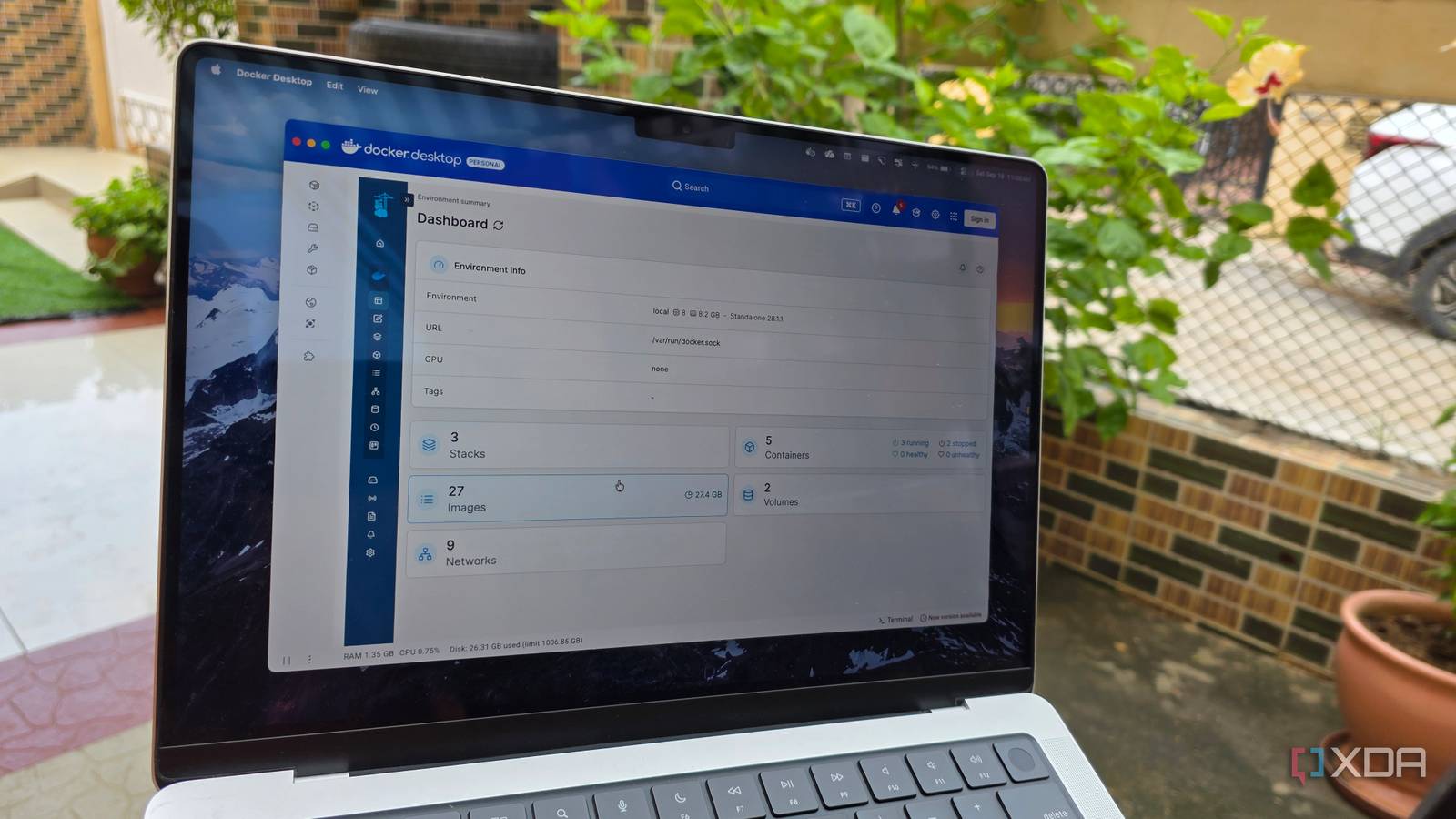
Published Sep 19, 2026, 1:01 PM EDT Parth, a seasoned tech writer, wields the keyboard (or pen) with finesse to unravel the intricacies of both Windows and Mac operating systems. He has covered evergreen content on mobile devices and computers for multiple publications over the last six years. You can find his work on AndroidPolice, GuidingTech and TechWiser. Whether it’s demystifying system updates, deciphering error codes, or exploring hidden features, Parth’s prose guides readers through the binary maze. When not immersed in tech jargon, you’ll find him sipping chai, pondering the next software review, and occasionally indulging in a friendly debate about mechanical keyboards. I went into the weekend expecting to experiment with a few self-hosting tools via Docker. I came out of it wondering why I was still paying for so many subscriptions. Once I started replacing the services I use every day with self-hosted alternatives, the cancellations happened fast. By Sunday night, I had five subscriptions on hold, several new Docker containers running smoothly, and a setup that gave me more control over my data without hurting my daily workflow. Nextcloud It replaced my Google Drive subscription Nextcloud was easily the most frustrating part of my self-hosting weekend, but it was also the one that made the whole experiment feel worth it. Getting everything running properly took time. I had to deal with storage paths, permissions, the database, HTTPS, remote access, and a few small issues that sent me back into the terminal more than once. Once it was working, though, I realized I could finally drop my Google Drive plan. Nextcloud handles the things I actually need from a cloud service: file syncing across devices, sharing links, automatic photo uploads, version history, desktop clients, and solid mobile access. The experience is also much better than I expected. The newer web interface feels modern, and I like adding widgets for recent files, calendar events, tasks, and notes. The Android app has improved a lot, too, with Material You styling that fits nicely with the rest of Android. I would still treat Nextcloud mainly as a cloud storage replacement. It can do notes, calendars, tasks, office documents, and plenty more, but those extras still feel basic compared to dedicated apps. For me, replacing Google Drive was the real win. Vaultwarden Wave goodbye to 1Password Vaultwarden was much easier to get running than Nextcloud, and it ended up being one of the most satisfying replacements of the weekend. I was already using 1Password every day, so this wasn’t some experimental container I could ignore if it stopped working. It had to be reliable from day one. Vaultwarden gives me that familiar Bitwarden experience while letting me host the server myself. I still get password generation, autofill, secure notes, collections, passkeys, attachments, and access across my phones and computers. Of course, I don’t take this self-hosted service lightly. I keep backups, use HTTPS, stay on top of updates, and make sure remote access is properly secured. Once Vaultwarden was configured properly, canceling 1Password was easy. Activepieces Don’t worry about that Zapier bill I had been paying for an automation service mainly to connect apps, move data between them, and handle repetitive little jobs in the background. The problem was that these services became expensive once you started adding more workflows or running them more often. Activepieces covers most of what I actually need. I can build flows with triggers and actions, connect with different services, add conditions, and automate boring tasks without writing everything from scratch. The visual builder also makes it good enough that I don’t feel like I am maintaining a complex piece of software every time I want to tweak a workflow. For example, I can automatically take an incoming file, rename it, move it to the right location, update another service, and notify myself when the job is done. The self-hosted version also gives me more freedom to experiment without thinking about task limits or whether another automation will push me into a higher pricing tier. BentoPDF Finally got rid of Adobe Acrobat BentoPDF is the tool that made me question why I had been paying for a PDF subscription in the first place. I don’t need advanced document workflows every day. Most of the time, I just want to merge a couple of PDFs, split pages, compress a large file, convert a document, add a signature, redact something, or run OCR. BentoPDF handles all of that from a single interface, with more than 50 PDF tools available. What sold me, though, was the privacy angle. The actual PDF processing happens locally in the browser, so my documents don’t need to be uploaded to some random online converter. That matters when I am working with invoices, contracts, financial documents, or anything else I would rather keep private. It was also one of the easier services to add to my self-hosted setup. BentoPDF has an official self-hosted Docker build, so I could simply add another container and keep the whole toolkit available on my own network. Memos Evernote, who? Memos was another service that made me realize I was paying for far more note-taking software than I actually needed. Most of my everyday notes aren’t complicated documents. They are quick ideas, links, reminders, and random thoughts that I want to capture. For that kind of work, Memos works perfectly well. The interface is simple. I can open it, start typing, add tags, use Markdown, attach files, and move on. Everything appears in a chronological feed, which makes it feel more like a private social timeline for my own thoughts than a traditional notebook with endless folders and sections. Once I had Memos running on my own server, paying a monthly fee just to sync simple notes across my devices became much harder to justify. My home lab finally saved money I didn’t expect one weekend of self-hosting to end with five canceled subscriptions, but that’s exactly what happened. Nextcloud, Vaultwarden, Activepieces, BentoPDF, and Memos aren’t the perfect replacements for every paid service, and self-hosting surely comes with extra responsibility. Even so, the trade-off has been worth it for me. I am spending less, keeping more of my data under my control, and using tools that cover the features I actually need.
I cancelled 5 subscriptions after one weekend of setting up self-hosting replacements
Full Article
Original Source
Read the full article at Xda-developers →KhanList aggregates and links to publicly available news content. We do not host full articles from third-party sources. Always verify important information with original sources.