
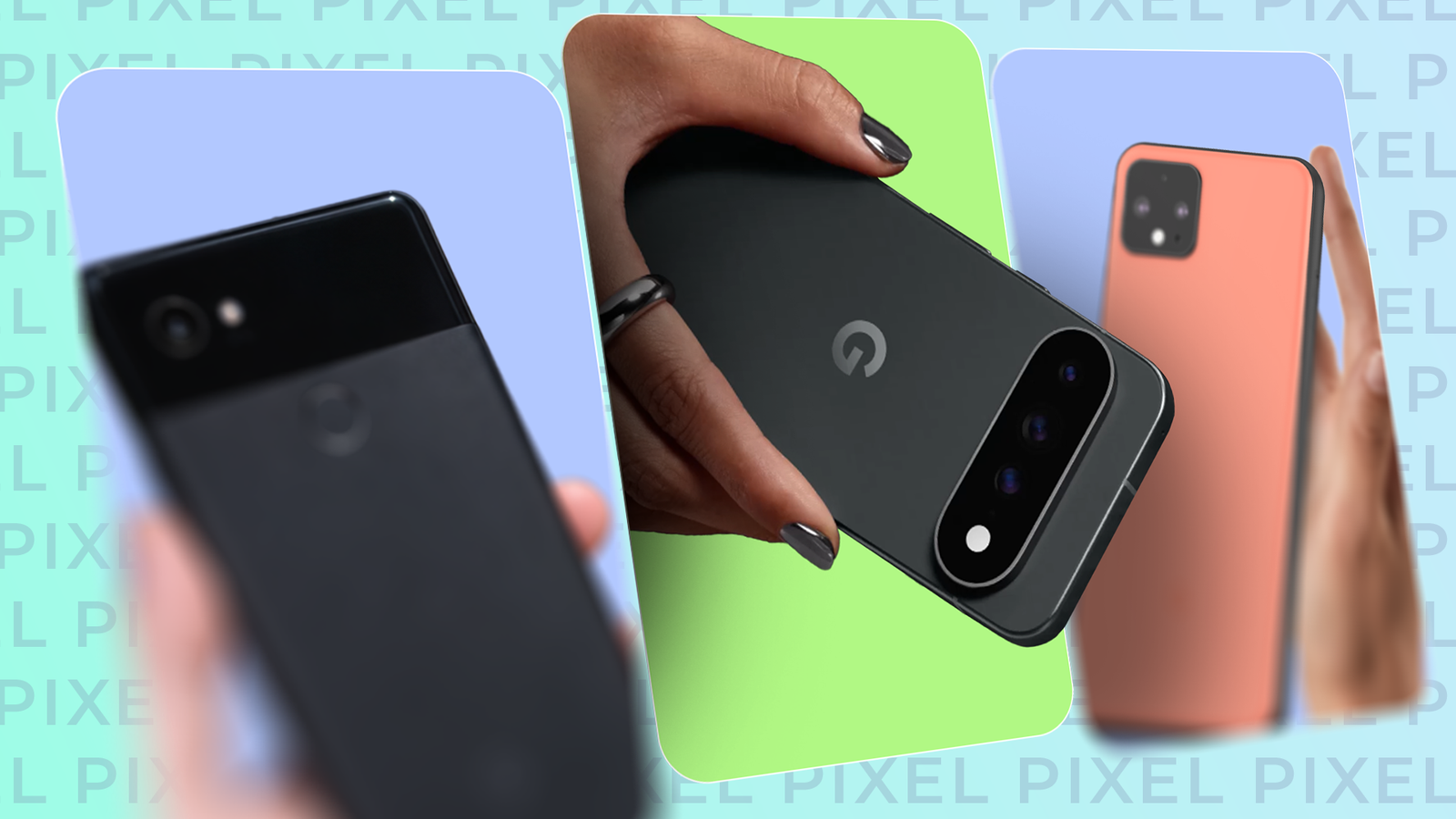
Published Oct 11, 2026, 6:30 AM EDT Jon Gilbert is a Features Writer for Android Police. I've covered Android since 2021, focusing on writing features and guides about Android apps and features that directly affect users. I've attended CES to uncover powerful hardware that isn't dominated by Google like the Mudita Kompakt. I trawl through Android news daily, hunting for stories that have real-world consequences. I hold a BA in History & Classics. Has there ever been a "perfect" Google Pixel smartphone? One that gets everything right? I would argue no. Every phone makes compromises, and Pixels make the biggest compromises of all. What would a perfect Pixel smartphone look like? I looked back on the history of Pixel smartphones and identified the best features from the line. Pair these features with a headphone jack, and there we have it: the perfect Pixel phone. Unlimited Google Photos storage from the Pixel 1 It would certainly make headlines The first Google Pixel phone shipped with an enticing perk: Unlimited Google Photos storage for life. To this day, Pixel 1 users can still upload as many photos as they want without reaching the data cap. However, there's a catch: only the first account added to the phone is eligible. Buying a second-hand Pixel 1 today probably isn't a workaround to let you upload photos for free. Later Pixel phones, up to the Pixel 5, also offered unlimited free storage, but they were limited to the Storage Saver option. Pixel 1 owners could upload original-quality files without affecting the data cap. Given the growing popularity of Pixel phones, I doubt the original offer will return. However, with stiff competition from other brands, an unlimited Storage Saver offer would be enticing. Active Edge from the Pixel 2 The best gesture control Google made The first Pixel I owned was a Pixel 2 XL, and it was love at first touch. While the clean UI was a breath of fresh air after the garbled mess of my Samsung Galaxy S7, the gestures kept me hooked. By squeezing my Pixel 2, I could launch Google Assistant and silence calls, timers, alarms, and notifications. Its versatility wasn't impressive, but I used it every day. What made Active Edge brilliant was how natural the gesture was; I didn't have to adjust my grip to trigger it. The only frustration was the limited functionality. I want to be able to trigger Do Not Disturb and answer incoming calls from all apps. Bringing this feature back would not only help build the perfect Pixel, but also give it a chance to excel. The matte back panel from the Pixel 4 I love a soft phone If there's one trend I hate, it's the glass construction on smartphones. They look "premium," but they smudge, crack, and cost more than they should. They can make up to $100 of a modern smartphone's cost. The Pixel 4 offered a soft-touch matte back which felt wonderful. While its texture had a practical benefit (it was harder to drop), the best part was that it simply felt nice to hold. My current daily driver, the Pixel 10 Pro, has a matte glass back panel which is almost as good. But it's still made out of glass, and I still wrap it in a case 99% of the time. The perfect Pixel smartphone should be enjoyable to hold out of a case. The Pixel 4 taught us that lesson well, even if it didn't have much else to offer. The rear fingerprint sensor from the Pixel 5 Under-display sensors can't compare Under-display fingerprint scanners have improved drastically since the Pixel 6, but nothing beats the reliability of a rear fingerprint scanner. Just like Active Edge, the fingerprint scanner on Pixel phones up to the Pixel 5a was perfectly placed to rest under our fingertips. Fingerprint scanners have caveats, namely that they require a hole in the back of the phone case, a perfect home for dust and lint. But that's a small price to pay for a reliable fingerprint scanner. Paired with Active Edge and a proper matte texture, I would cheerfully carry my Pixel case-free. A continued commitment to useful software features A Pixel tradition that must continue I've mostly discussed hardware features in this article, but the most iconic part of a Pixel is the software. From camera post-processing to Now Playing, Pixel phones are packed with brilliant exclusive features. Features come and go, and while I long for the return of handy tools like System UI Tuner, the perfect Pixel smartphone continues the series' tradition of useful software. Google doesn't keep these features exclusive to a single generation for long. The best Pixel software tools, like Now Playing and Call Screen, debuted on older Pixels and are still around. What does the perfect Pixel phone look like? Unlimited photo storage. Active Edge. A matte back panel. Rear fingerprint sensor. Continued Feature Drops. Oh, and let's throw in a headphone jack for good measure. Tensor chips have (mostly) solved the efficiency and overheating problems that plagued the Pixel 6 and later phones. All the pieces are there for the perfect Pixel smartphone. Do I genuinely think Google will bring back the rear fingerprint sensor? No. But wouldn't it be much more useful than HiLight?
I built the perfect Pixel smartphone by combining the best features from its history
Full Article
Original Source
Read the full article at Androidpolice →KhanList aggregates and links to publicly available news content. We do not host full articles from third-party sources. Always verify important information with original sources.