
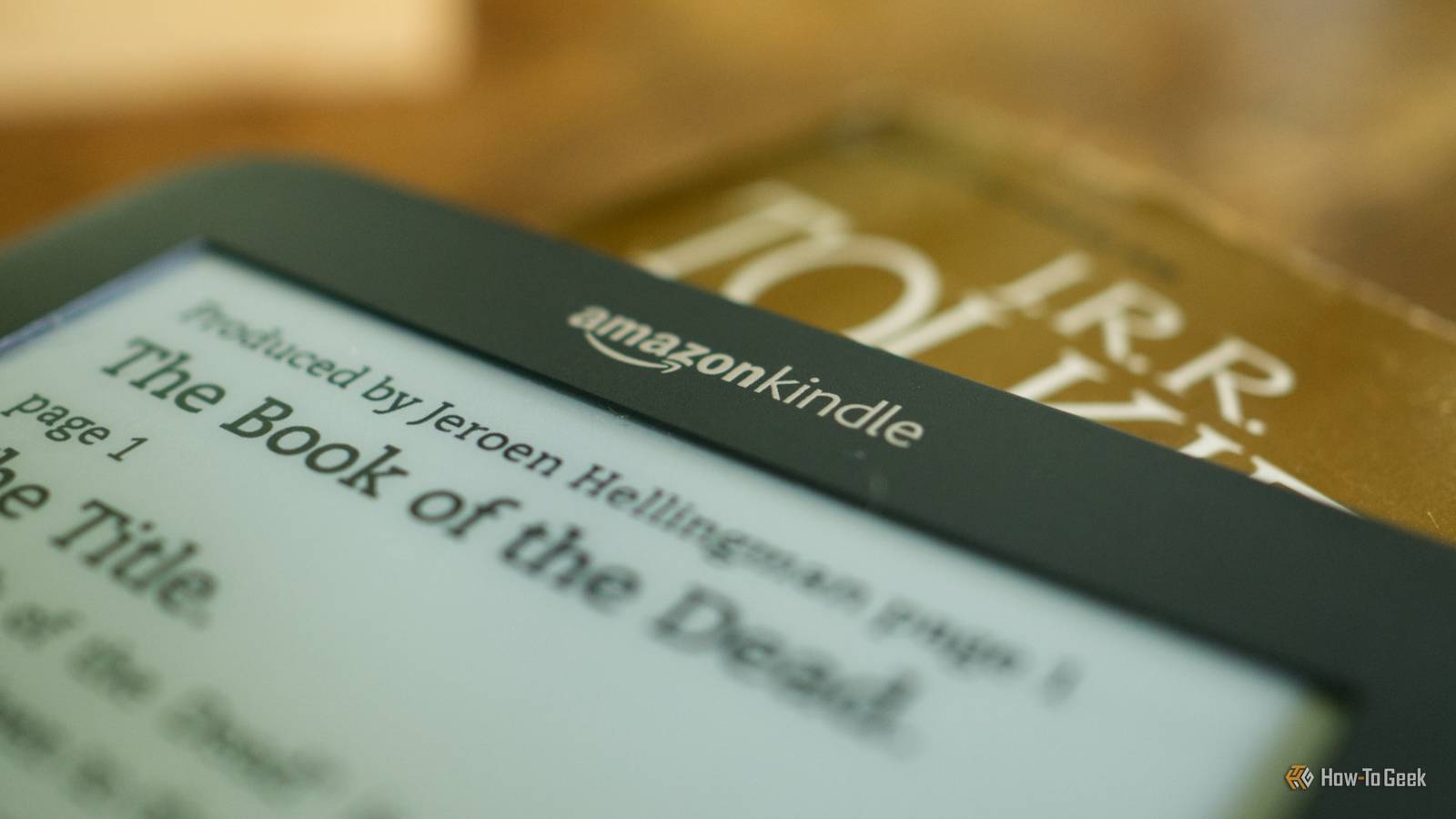
Published Oct 11, 2026, 6:30 PM EDT Adam has a degree in Engineering and has a life-long interest in technology. He has been writing for over a decade for various print and online publications, with a focus on consumer tech. He joined How-To Geek in 2024 while working at Pocket-lint. As well as being a long-term fan of Apple products, he also has a strong interest in smart home tech, running a Home Assistant server at home to automate all his smart home devices. He believes that the ideal smart home should work with minimal interaction from the user, with automations running as if by magic rather than requiring you to push buttons on a control panel. You can find more of his work on Muck Rack. Once a manufacturer stops supporting a device, you might assume it's headed for the e-waste bin. When online services and updates disappear, many devices become effectively useless. But thanks to enthusiast communities, that isn't always the case; many products become even more useful after official support ends. Your old Kindle can do far more KOReader gives abandoned Kindles features they never had This one is close to my heart. I've used a fourth-generation Kindle for well over a decade, and it's served me well. The hardware is absolutely fine, and until May 2026, there were no problems at all. Then Amazon stopped supporting Kindle models from 2012 or earlier, and my Kindle lost key features, including the ability to purchase, borrow, or download books from the Kindle Store and to use the Send to Kindle feature. Jailbreaking my Kindle has made it far better than it ever was. KOReader is far more customizable than the stock Amazon reader software, and supports many more file formats, too. With plugins, you can add features no standard Kindle has; my Kindle is now much more useful than itwas before Amazon stopped supporting it. Spotify killed Car Thing, but it became something better DeskThing gives the hardware a new life Credit: Spotify Car Thing was a strange product. It was a dashboard-mounted touchscreen device created by Spotify to allow you to control Spotify while driving. Spotify first discontinued the product, then disabled it completely so that Car Thing owners could no longer use their devices. Step in DeskThing. This project turns the Car Thing hardware into a customizable controller you can use from your desk. The screen, buttons, and dial can all be used with community-developed apps and integrations to do everything from controlling your smart home or running customizable computer shortcuts to playing games or controlling Spotify on your computer. Pebble watches survived longer than the company Rebble replaced Pebble's services Pebble was an early smartwatch brand known for its always-on e-paper displays and long battery life. The company ceased operations in 2016, and by 2018 Pebble shut down its cloud services, leaving Pebble owners without access to key features. The community then developed Rebble to replace the shut-down services. Rebble Web Services replaced Pebble's cloud and restored access to apps, watch faces, weather, and dictation. The community then went further, adding new features such as smart home controls, RSS readers, and more. The story has now come full circle, with the Pebble brand having been revived and new Pebble models released. These devices run open-source PebbleOS and share an app ecosystem with Rebble, so the community that saved the original Pebble devices is now helping run their new models. Homebrew makes the Wii more than just a console The Nintendo Wii was a huge success at the time and even got your grandma gaming. All good things end, and in 2014, Nintendo ended its online multiplayer services, followed by the closure of the Wii Shop Channel in 2019. That didn't stop the homebrew community, who have given the Wii features it never had before. The Homebrew Channel lets you run unofficial applications, including emulators for other consoles and media players, and you can even run Linux on a Wii if that's your bag. Community services also replaced Nintendo's abandoned multiplayer services, so you can still play online against your friends. Your old Wii is now more capable than ever. Apple discontinued the iPod, but it's better than ever Rockbox and hardware mods remove many of the iPod's limitations The iPod was a huge part of making Apple the enormous brand it is today, but the iPhone effectively killed it off. There are plenty of people who still want a dedicated music player that doesn't have all the distractions of a smartphone. Although Apple discontinued iPods, enthusiasts have found two key ways to give old models new life. The first is Rockbox, an alternative firmware for compatible iPods. It adds features original iPods never had, such as native FLAC support, interface customization, audio processing, and even games. The second way that the community has kept the iPod alive is through hardware modifications. You can replace the original iPod hard drive with high-capacity flash storage, so your iPod can potentially store hundreds of gigabytes of music. You can also install better batteries or even modify the Bluetooth to connect wireless headphones without an adapter. A modified iPod can become a true music-playing powerhouse while still maintaining that iconic iPod look. The original hardware may be old and abandoned, but people still haven't given up on it yet. Abandonment doesn't have to mean obsolescence It's incredibly frustrating when companies abandon hardware that still works perfectly fine and strip devices of key features. Thankfully, the open-source community is often there to save these devices from becoming more e-waste, and can even add features they never had originally.
5 gadgets that got better after the manufacturer stopped supporting them
Full Article
Original Source
Read the full article at Howtogeek →KhanList aggregates and links to publicly available news content. We do not host full articles from third-party sources. Always verify important information with original sources.