
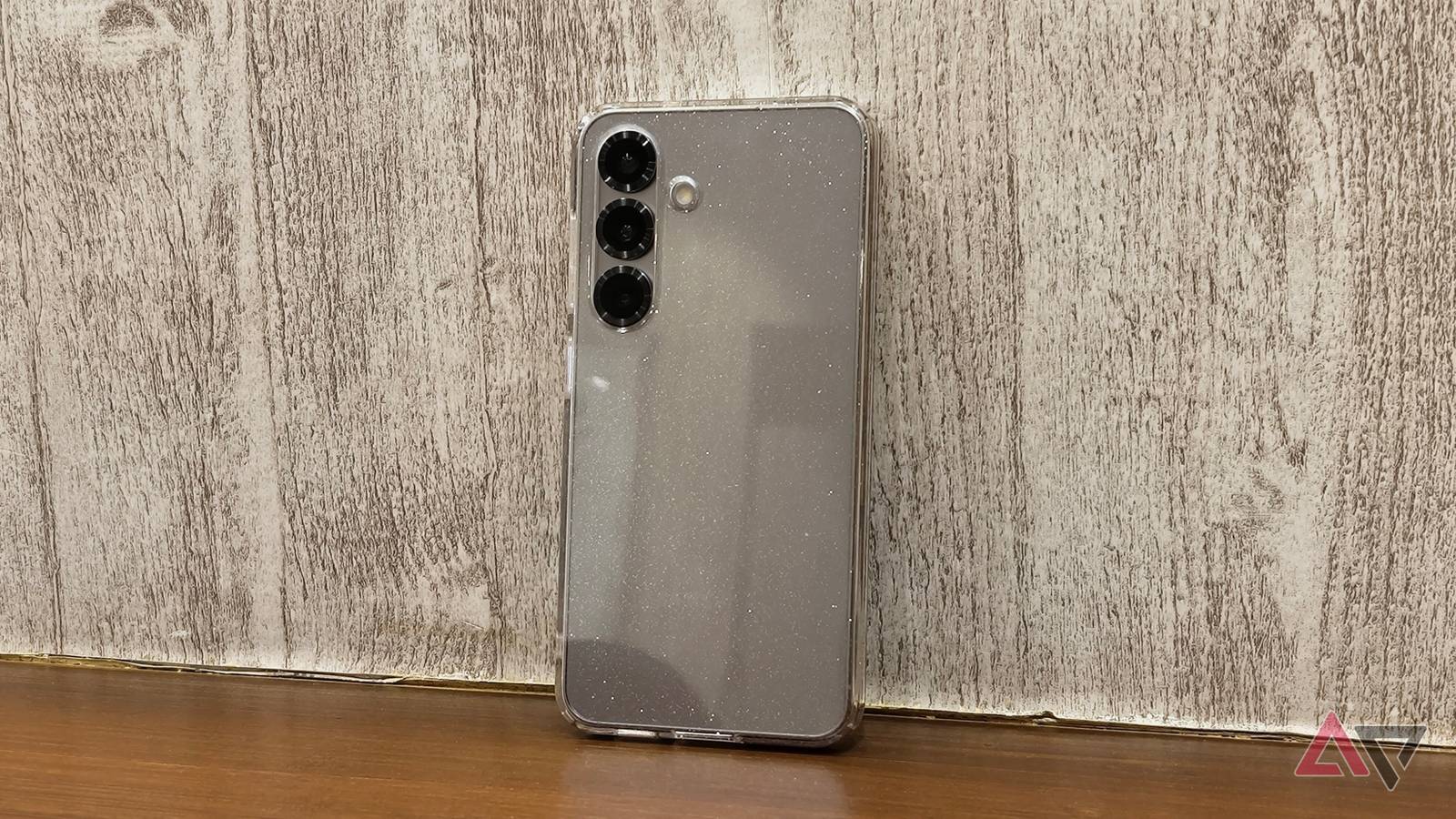
I bought a Samsung Galaxy S25 over the S26; it wasn't just to save money Published Nov 10, 2026, 5:00 PM EST Marvin is a Features Author for Android Police. His media career began as an editorial assistant at a now-defunct print publication. He has since transitioned to digital media as an editor, attended technology events in over 10 countries, and earned his master's degree in journalism. He enjoys film photography, outdoor running, and alternative coffee brewing during his leisure time. While shopping for a new Samsung phone recently, I had a choice to make: buy the latest Galaxy S26, settle for the older Galaxy S25, or wait for the upcoming Galaxy S27. Each option came with its own pros and cons. The Galaxy S26 is Samsung's latest and greatest; last year's Galaxy S25 costs significantly less, and the Galaxy S27 is bringing in new hardware in a few months. I chose the Galaxy S25. What was initially a move to save money turned into an inadvertently wise decision. I discovered more reasons why the Galaxy S25 is the best compact Samsung flagship to buy in 2026. The Galaxy S25 keeps the compact flagship dream alive In a world where phones keep growing in size It doesn't seem like much, but the Galaxy S26's bump up in screen size is a significant change from past models. From the S20 to the S25, Samsung stuck to 6.2 inches for the base model's screen size. The Galaxy S26's 6.3-inch display marks Samsung's gradual departure from compact flagships. It matches the screen size of the base Google Pixel 11 and iPhone 17, making the Galaxy S25's compact dimensions the last of its kind. This development matters when you look at the bigger picture. Compact flagships are a dying breed, and there are no signs of them coming back. Personally, the Galaxy S25 is a joy to hold. One UI was designed with one-handed use in mind. The S25 executes this philosophy perfectly. Because of the Galaxy S25's reduced dimensions, I can slap on a thicker, shockproof case without losing its condensed form. The Galaxy S26's upgrades are too incremental It feels more like a Galaxy S25.5 Several Android manufacturers deliver incremental upgrades to their annual flagships. Samsung took it to another level when it released the Galaxy S26. The Galaxy S26's display and battery are slightly larger, and the processor is marginally faster compared to the S25's. None of these upgrades feel substantial enough to justify the added cost. Worse still, the Galaxy S26 recently saw a price hike. In early October 2026, the base Galaxy S26 went from $899 to $999. Although most people buy Samsung phones at a discount, this $100 increase affects the starting price for year-end sales. I bought my Galaxy S25 for the equivalent of $550 in my region. A discounted Galaxy S26 consistently costs at least $200 more than the S25 where I live. For the incremental upgrades it offers, the Galaxy S26 didn't convince me to spend this much more. The Galaxy S25 has the same camera system as its successor, and thanks to Samsung's timely One UI updates, it's keeping up with new software features. The S25 feels fresher than ever in 2026, and it'll continue being snappy for years to come. The Galaxy S26 and S27 are reintroducing chipset fragmentation Not a good time for Snapdragon fans Credit: Lucas Gouveia / Android Police When the Galaxy S25 launched, I appreciated that every model in every region shared the same Snapdragon chipset. Whether you buy an S25 in the US or Europe, you're getting the same hardware. In comparison, the Galaxy S26 reintroduced chipset fragmentation. While Galaxy S26 units in the US are sold with the Snapdragon 8 Elite Gen 5, units bought outside the US get the Exynos 2600. The Galaxy S27 lineup is rumored to continue this trend of prioritizing Exynos chips, at least outside the US. Whether it's true, this predicament casts a shadow over potential buyers waiting for the next Galaxy flagship series. To be fair, Exynos chips are highly capable of everyday tasks and can often match their Snapdragon counterparts. In my experience, however, their modems offer weaker 5G signals where I live, and their GPUs are more prone to overheating while gaming. The Galaxy S25's guarantee of providing a Snapdragon experience no matter where it's bought brings peace of mind to consumers like myself. Knowing what I'm buying without checking product pages or reviews makes the S25 a simpler decision. Annual upgrades feel less necessary than ever We've been hitting a hardware plateau for the past few years now, and it doesn't look like it'll improve any time soon. A flagship phone from a year or two ago would satisfy buyers today. Despite its older hardware, the Galaxy S25 is a better purchase than both the S26 and the forthcoming S27. The S25 is more compact, equally capable in everyday tasks, and offers much better value. The one downside to buying an older flagship is the shorter software support. The Galaxy S25's updates will end in 2032, while the S26 and S27's updates will end in 2033 and 2034, respectively. Fortunately, there are multiple ways to reuse an aging flagship after its end-of-life. The Galaxy S25 hits the sweet spot in Samsung's smartphone lineup. Saying I settled for an older flagship would be inappropriate. It was a deliberate decision. Samsung Galaxy S25 $675 $800 Save $125 SoC Qualcomm Snapdragon 8 Elite for Galaxy RAM 12GB Storage 128GB, 256GB, 512GB Battery 4,000mAh Ports USB-C Samsung's Galaxy S25 keeps things small without sacrificing power. With a Snapdragon 8 Elite processor, 12GB of RAM, and all sorts of tools courtesy of Galaxy AI, this is everything you expect from a modern flagship squeezed into a relatively svelte chassis.
I bought a Galaxy S25 over the S26 and upcoming S27
Full Article
Original Source
Read the full article at Androidpolice →KhanList aggregates and links to publicly available news content. We do not host full articles from third-party sources. Always verify important information with original sources.