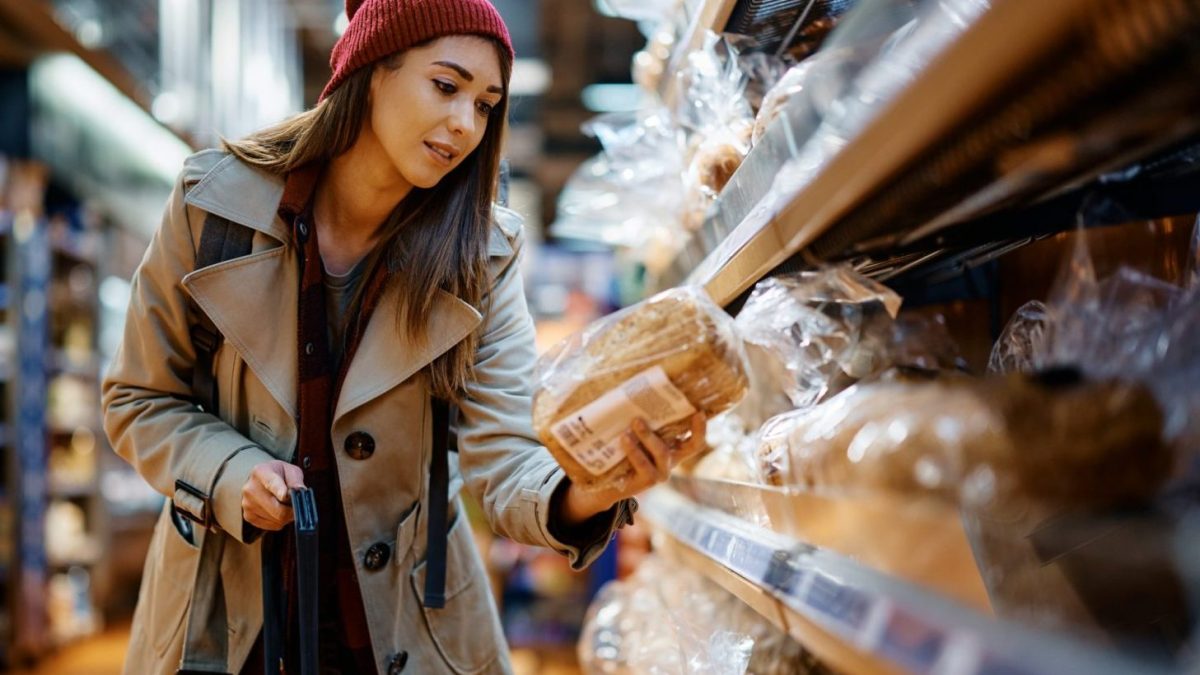
This is Everyday Science with Clare Wilson, a subscriber-only newsletter from The i Paper. If you’d like to get this direct to your inbox every week, you can sign up here. Hello, and welcome back to Everyday Science. Healthy eating crazes usually come and go, but the current focus on cutting out ultra-processed food (UPF) seems to have sticking power. The UPF theory is that the chief determinant of a healthy diet is whether you mainly make meals from scratch or whether you buy in pre-prepared food like ready meals, soups, sauces, cereals, biscuits and so on. Shorts From the start, I questioned if this new way of looking at our diet is correct. Now, some preliminary research supports my scepticism. Here’s what it found and what we do and don’t know about healthy eating. To recap, the movement against UPF kicked off three years ago, with a book by TV doctor Professor Chris van Tulleken, called Ultra-Processed People: Why Do We All Eat Stuff That Isn’t Food… and Why Can’t We Stop? Research on the subject had been ongoing for several years, but it was this book and Professor van Tulleken’s subsequent TV programmes that brought it to wider attention. The cause has since been embraced by many other food gurus. Anti-UPF campaigners say processed food is bad for our health because it contains harmful ingredients that are not found in homemade fare. Those suspect ingredients include high-fructose corn syrup, hydrolysed vegetable protein, as well as a smorgasbord of preservatives, colourings, and emulsifiers. The theories are that they are somehow bad for our gut bacteria or that they make food so addictive we can’t help overeating. The movement really took off. Anecdotally, I have several friends who bought Professor van Tulleken’s book and tried to follow his advice. Perhaps it is understandable, because, as we are constantly hearing, UPF comprises about 60 per cent of the modern diet in countries such as the UK. If it really is so bad for us, then many of us need to make some major changes to our lifestyles. The anti-UPF movement On a superficial level, the movement chimes with standard healthy eating lore that “natural is best” and that we should eat our greens and avoid artificial chemicals. But dig a little deeper and the anti-UPF movement is actually very subversive. Mainstream NHS advice has long been that the best way to achieve a healthy diet is to limit our intake of fat (especially saturated fat), salt and sugar. There is certainly some overlap between UPF and fatty, salty or sugary foods – but there are plenty of foods that are one but not the other. So, if you follow the new “no UPF” rules, you may well have to step away from the old fat/salt/sugar orthodoxy. For instance, wholemeal bread from the supermarket would be considered healthy by the traditional view of diet, but in fact is clear UPF because it is made in a factory and contains artificial additives. “Any bread that you buy in a supermarket would be classified as UPF because all of that kind of packaged bread would have an emulsifier added,” said Bridget Benelam, a scientist at the British Nutrition Foundation. “You’d have to either make your own bread or buy artisan-type breads for them not to be ultra processed.” Similar examples of traditionally healthy foods that are UPF are high-fibre breakfast cereals, many kinds of pre-prepared soups and pasta sauces, and baked beans, as long as they are not high-salt versions. Is homemade cake really better for you than shop-bought? (Photo: Mrs_2015/Getty/RooM RF) Conversely, homemade cake would be considered unhealthy by traditionalists because of its high sugar and fat content, but is clearly not UPF. You could make yourself steak and chips, fried in lard, every single night of the week, and bust your saturated fat quota, but would not be eating an ounce of UPF. So, what does the evidence say about which theory is right? There are lots of studies that find people who eat more UPF are more likely to get fat and have worse health. But the results could be obscured by the fact that most UPF is also fatty and sugary. The latest research has tried to get past that problem. It used existing data from three studies that had analysed the diets and tracked the health of over 200,000 US adults from the 1980s through to the 2020s. It classified the individual elements of their food as either UPF and healthy (according to fat/salt/sugar content), UPF and unhealthy, non-UPF and healthy or non-UPF and unhealthy. While the participants were not vegetarian, the researchers analysed just the plant components of their diet to get past the problem that those who ate more plant-based food might be healthier. ‘Processing not inherently harmful’ By the end, about half the people had died or developed heart disease or type 2 diabetes. And their diet did correlate with their risk of these outcomes. Healthy diets (by fat/salt/sugar) were linked with lower risk. But there was no correlation with poor health and how much UPF someone ate. “Processing itself is not inherently harmful,” concluded Dr Xiaowen Wang, a nutrition researcher at Harvard Medical School, who led the study. Dr Beverley O’Hara, a lecturer in Public Health Nutrition at Leeds Beckett University, who wasn’t involved in the research, said: “These are important findings because they may help people to feel less anxious about eating the processed foods that are affordable, perfectly healthy and part of everyday life.” I don’t claim that this latest study will end the UPF debate – in fact I’m quite sure it won’t. It can be critiqued in several ways. Firstly, the results have so far only been presented at a conference, called Nutrition 2026 held in National Harbor, Washington D.C, rather than being published in a medical journal, when independent experts could point out any flaws. Professor van Tulleken told me: “Whether you look at nutrients or processing, you arrive at much the same conclusion – we need a healthier, more just, food system, that allows people to access and afford healthy diets. “The harms of a dietary pattern high in UPF have been established by hundreds of independent papers,” he added. Nevertheless, I think this latest large-scale analysis, assuming it eventually gets published in a journal, may help swing the pendulum back to a more nuanced take on the question of whether food processing really is a key determinant of our health. “It appears to be an important counterbalance to the large number of poor-quality studies that have led to widespread scaremongering about UPF,” said Dr O’Hara.
I always said UPF scaremongering is overblown – this study shows why
Full Article
Original Source
Read the full article at Inews →KhanList aggregates and links to publicly available news content. We do not host full articles from third-party sources. Always verify important information with original sources.