
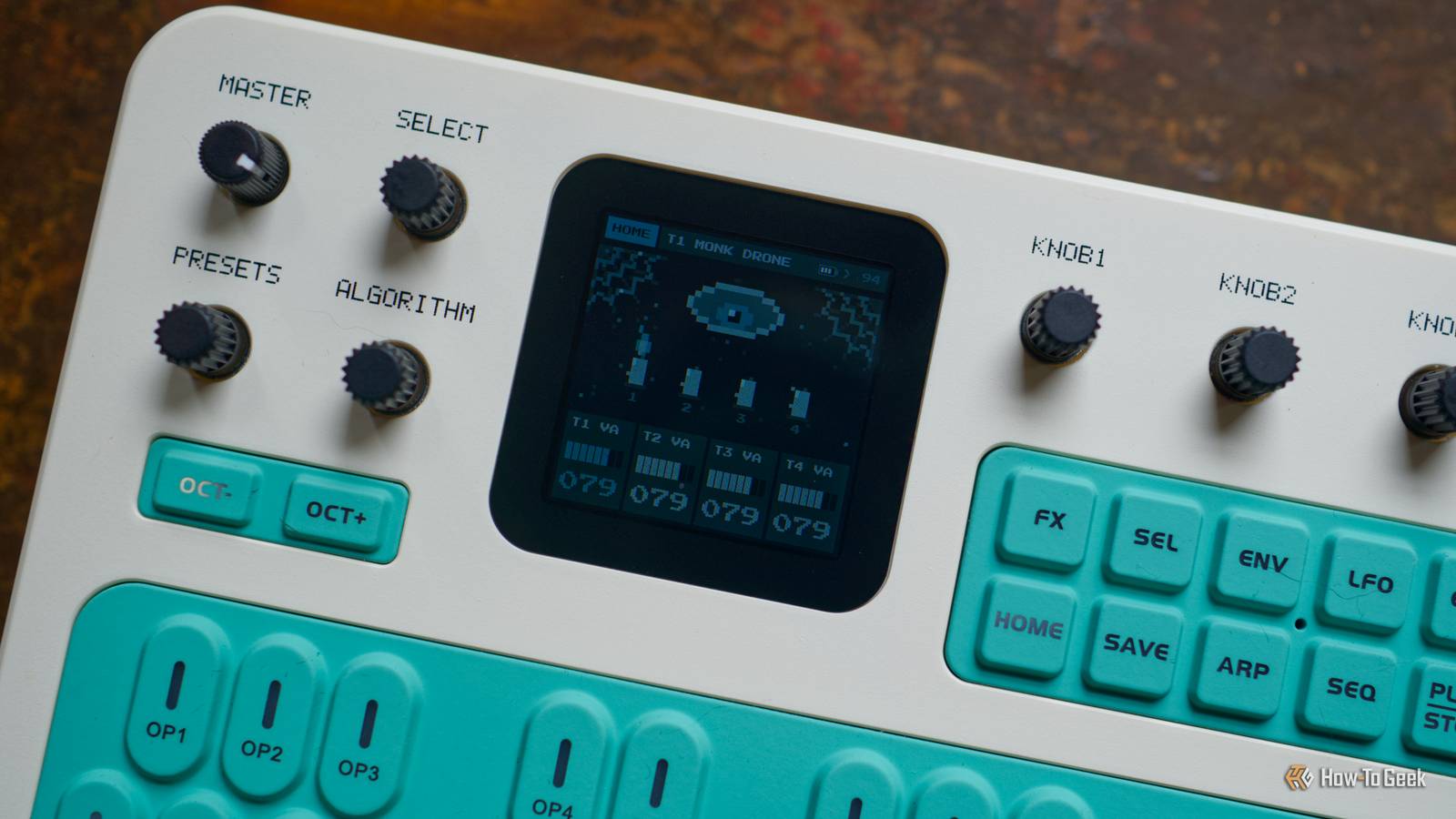
Published Nov 15, 2026, 8:30 AM EST Tim has been covering technology for almost 20 years, in that time spanning a broad range of topics from security to product reviews. He is especially focused on the Apple ecosystem, productivity, and consumer advice. Over the years Tim has written thousands of articles, reviews, and round-ups in addition to producing video content and original photography. A graduate of journalism, he found his footing as a freelancer with a laptop and loves how he is able to work from practically anywhere. Now a Senior Editor for iPhone, Mac, and Smart Home at How-To Geek, Tim still loves to write. He can also be found crafting round-ups and productivity posts for the Zapier blog. Earlier in his career Tim spent nearly a decade as a writer and eventually Apple section editor for MakeUseOf. Tim currently lives in Brisbane, Australia. Outside of work he loves to hike and work out, play video games, and spend quality time with his wonderful partner and two cats Inka and Roger. A tiny and cheap portable synthesizer has taken the hobbyist music-making world by storm, but there’s more to the story than a clone of Yamaha’s classic DX7. This little box of tricks has taken on a life of its own with the arrival of custom firmware, transforming its abilities (it can even play Doom). This was all possible thanks to the often-maligned practice of vibe coding. The FM1’s rise to fame The tiny synth that took the internet by storm The M-VAVE FM1 is a small, USB-C chargeable synthesizer that costs about $50. It’s a true FM synthesizer, which means that it creates audio using a synthesis technique known as “frequency modulation.” This is best associated with Yamaha keyboards that emerged in the 1980s, producing a metallic, glassy, digital tone. As a faithful Yamaha DX7 clone, the FM1 is already worth its $50 price tag. The DX7 retailed for $1,995 when it first launched, and since it’s a classic bit of kit, it has become highly collectable in the years since. Though many clones exist, none have smashed the barrier to entry and broken through quite like the FM1. The FM1 started generating buzz almost immediately for offering true FM synthesis on a budget. Communities on Reddit and YouTube creators soon took notice, which led to something of a snowball effect. Before long, AliExpress started selling out, and queues formed waiting for restocks. It was around this time that custom firmware started appearing, which first sought to turn the FM1 into something it was not: a fully-fledged groovebox. A project known as Felucca is widely recognized as one of the first examples of this. It turned the FM1 into a mini studio in your pocket, with support for different tracks, sequences, and the ability to put these together to create whole songs. Vibe coding has taken things to the next level Everyone can make firmware now Felucca is an open-source project, which means it operates as a base for others to build on. It is widely seen as the firmware that others build on, though other bases like Dinghy exist. Before long, the official FM1 Open firmware arrived, authored and distributed by hardware manufacturer M-VAVE itself. As of writing, there are 200 firmware releases listed on The Firmware Hub, a resource that appeared purely with the aim of tracking custom software for the FM1 and similar devices. This number has increased by about 40 since the last time I checked, a few days ago. This has only been possible thanks to the community’s eager embrace of vibe coding, which has accelerated the rate at which firmware can be pumped out far beyond the traditional development model. With the use of a coding assistant like Claude Code, it’s possible to clone a repository like Felucca and prompt AI to make your desired changes. The pace of development is difficult to keep up with. While contributing to a project like this would previously require years of experience and an understanding of how audio synthesis and sound design work, now anyone can tell an assistant to make changes and get a fully-formed firmware to try. Someone is maintaining a list of firmware to use for building your own variations. If you’re worried about bricking your FM1, there’s an FM1 Emulator which allows you to test the code in a web browser before risking your device (it’s also great for testing other firmware before you flash). There’s even an alternative FM1 bootloader that makes recovering a bricked FM1 trivial should the worst happen. Ups and downs Right time, right place Perhaps the most interesting thing is the way that M-VAVE has embraced the reception that its hackable little synth has received. An interview with YouTube channel sonicstate features a representative of the company explaining how the company has opened up the firmware and is even working with certain firmware creators on limited edition synthesizers: The interview goes into detail about how the company is trying to tackle the threat of firmware bricking through updates, and how the philosophy behind this open approach to hacking allows the community to fully enjoy the product they have bought. He also lets slip that a follow-up FM2 unit is coming. Vibe coding has something of a rocky reputation, and rightly so. The idea that anyone can “create” a project, release it, and quickly abandon it when they lack the interest or skill to take it further is a valid concern. Coding with AI assistance while knowing what you are doing and winging it are two very different things. But the FM1 is a palm-sized musical toy. It doesn’t connect to the internet or pose a privacy risk. Nobody is paying for firmware, and there’s so much of it to choose from that you can move on to another if your favorite becomes stale. There’s very little on the line here, and plenty to gain for anyone who likes to meddle for fun. If ever there was a time and a place to vibe code, the FM1 is it. Curious about vibe coding and the dangers? Learn why relying on AI tools to code for you can be so risky.
How vibe coding changed the trajectory of the internet's favorite new gadget
Full Article
Original Source
Read the full article at Howtogeek →KhanList aggregates and links to publicly available news content. We do not host full articles from third-party sources. Always verify important information with original sources.