
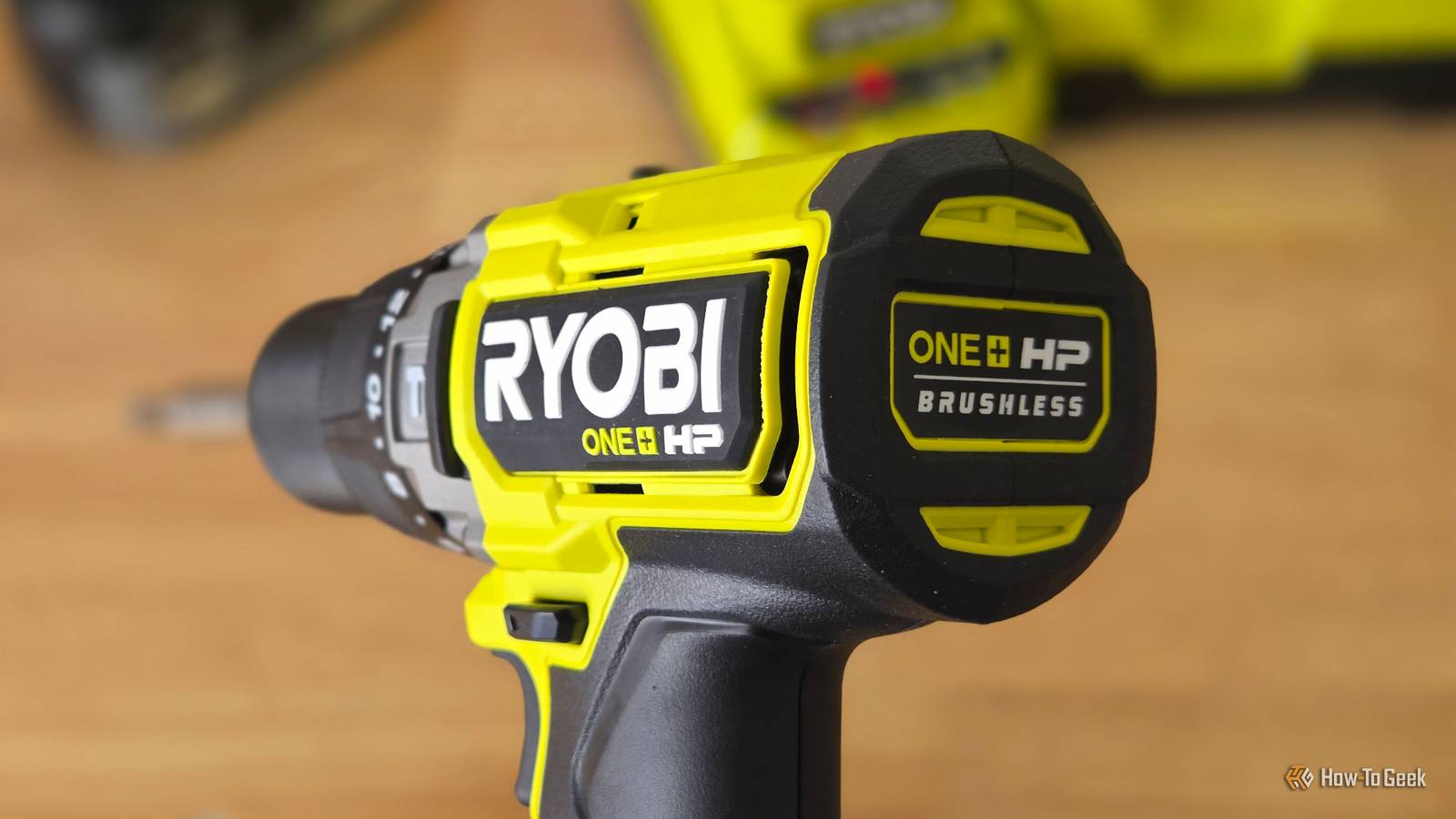
Published Sep 13, 2026, 12:30 PM EDT Cory Gunther is a senior author and Newsletter Editor at Valnet, covering cutting-edge tech, Android, and more for How-To Geek. He's covered Android, cars, and technology for over a decade. When he's not reviewing the latest gadget, you can find him off-roading in his Toyota truck, fixing said truck, or doing something outdoors with friends and family. He's covered CES, SEMA, and MWC and reviewed countless phones, TVs, speakers, EVs, e-bikes, and more. Before Valnet, Cory worked for GottaBeMobile. His writing has also appeared on SlashGear, InputMag, and AndroidCentral. He's written over 9,000 articles. By a show of hands, how many of you clean your power tools? I didn't think so. Those Ryobi tools in the garage are built to handle life's daily wear and tear, tackle DIY projects, and more, but when they get covered in dirt, sawdust, and other grime, a proper cleaning is more important than you think. Many people use and abuse their tools, myself included, and then toss them back on a shelf in the garage until next time. However, that's not doing you any favors in terms of longevity, battery life, or overall performance. Think about sawdust or grease getting into the motor, buildup that ruins the rubber or plastic housing, or sticky chucks. No one wants that, so here's how to clean your tools the right way. They'll last longer While it's true that some Ryobi power tools need more maintenance and cleaning than others, it's a good idea to keep all of your tools clean to some degree. For example, a sawzall or drill can take a beating, but you should always clean and oil or lubricate outdoor cutting tools like a chainsaw. Ryobi doesn't specifically mention cleaning in its warranty or instruction manuals, but it does mention "lack of maintenance" as a reason why a warranty claim might get denied. Every power tool should be properly maintained, lubricated as needed, and kept free of debris and buildup. Getting dirt and debris in the motor could cause performance issues, slippage, or premature failure. If you don't maintain your tools, it'll probably fail eventually, and likely at a very inconvenient moment — like in the middle of a project. Remove the battery and get to work Credit: Cory Gunther / How-To Geek I've finished several vehicle maintenance jobs only to realize my Ryobi Impact Wrench is absolutely filthy, and I always give it a light cleaning before I put it back on my storage rack. You should be doing the same thing. The first thing you'll want to do is remove the battery. Next, follow a few common best practices, and you'll have a safe, clean, happy tool in no time. Use a lightly damp cloth with warm water and a little Dawn dish soap, and wipe down the housing. Tackle stubborn dirt or grease with safe degreasers or specialty wipes, such as a Tub O' Towels cleaning wipe. Ensure you don't get moisture inside the components, and do not use harsh chemicals like gasoline, paint thinner, or ammonia-based cleaners. (As they tend to break down the plastic housing) As mentioned above, harsh chemicals will not only break down the plastic neon-yellow housing and potentially cause cracks, but could also wear away the white lettering and other tool information and markings. Tub O' Towels Heavy-Duty Cleaning Wipes Tackle dirt, grease, oil, paint, and more with these durable heavy-duty wipes. Make sure you're not getting moisture, water, or excessive liquid from wet wipes in the vents, trigger, or other mechanical components. You want enough to clean your Ryobi tools, but not enough to soak in and cause problems. And while the outside is important, you'll want to give special attention to the motor, motor vents, chuck, and triggers. You don't want grease or sawdust getting into the motor, and those same things can also work their way into the trigger, causing premature wear and tear. After you gently wipe down the outside of your tool, follow these steps: Use low-pressure compressed air and a soft toothbrush to gently clear dirt, drywall dust, wood shavings, and other debris from the motor cooling vents. Clear the chuck of drills and drivers by removing bits and shaking or blowing out any trapped dirt, grime, or debris. Wipe down the battery packs with a dry or very lightly damp cloth. At the end of the day, it's not that complicated. Wipe away grime and grease, blow out dust and debris, and take care of your things. It'll help ensure these tools last for years to come. There's a reason I still have and use a blue Ryobi drill that's over 20 years old. Sure, the battery system never changed, but I took care of it, too. These tools (and the batteries) can get expensive, so make sure you're following some basic maintenance steps. My maintenance and cleaning routine is a part of "using" power tools. Once I'm finished with a house project, an oil change, or replacing some spark plugs on my truck, my last step is to properly clean my tools before storing them for later use. And finally, make sure you allow all your tools to dry completely before reinserting the battery. Even if you're careful not to get any liquid in the motors or near the battery terminals, waiting a day is a good idea. Either way, refer to your owner's manual and proceed at your own risk. It's not that hard, but you do need to be careful. Keep 'em clean and make them last Just like a vehicle, a bicycle, or other items, proper cleaning and maintenance go a long way. It's the difference between a tool that doesn't last long and one that works better and lasts for years, if not decades. I spend a lot of money on my power tools, and a quick wipe or a blast of compressed air keeps them running at their best.
How to clean your Ryobi tools so they look new and last longer
Full Article
Original Source
Read the full article at Howtogeek →KhanList aggregates and links to publicly available news content. We do not host full articles from third-party sources. Always verify important information with original sources.