
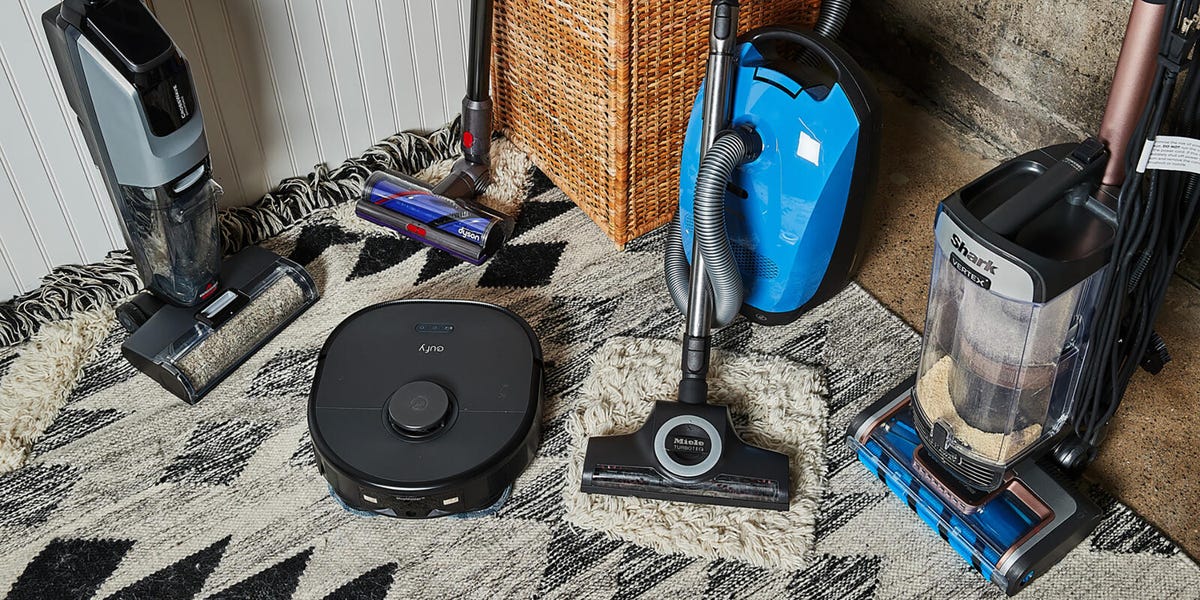
4 min readThe best vacuum for your home is about more than just suction power and fancy features. It’s really about which type works with your floors, your cleaning habits, and the messes you deal with every day.A vacuum that excels at pulling pet hair out of plush carpet and off of upholstered furniture might be overkill for a small apartment with mostly hardwood floors. And while a robot vacuum takes some of the work off your hands, it probably shouldn’t be your only line of defense against stubborn dirt and debris.After testing dozens of vacuums across different styles and floor types, I’ve learned that there isn’t exactly a one-size-fits-all solution. Here’s what to consider before you buy so you can find the best model, whether you have wall-to-wall carpeting, hardwood, tile, or a little bit of everything.If You Have Mostly Carpet, Look for an Upright or Canister VacuumCarpet tends to hold quite a bit of dirt, dust, crumbs, and pet hair, so you’ll want a vacuum with enough agitation and suction to pull debris from in between the fibers. An upright vacuum, such as the Shark AZ2002 Vertex, is often a good choice, particularly if you have large carpeted rooms or thicker pile. Its motorized brush roll helps lift embedded dirt and hair, while a high-capacity dustbin or bag means fewer trips to the trash can. A sealed filtration system and HEPA filter are worth considering if you’re worried about fine dust and allergens.A canister vacuum is another strong option, especially if you have stairs, area rugs, or a mix of carpet and hard flooring. These models offer a separate motorized floorhead or interchangeable attachments, giving you more flexibility than a traditional upright vacuum. They’re not always the easiest to store because of extended hoses and extra pieces, but they’re workhorses.If You Have Hardwood or Tile, Consider a Cordless Stick VacuumFor homes with mostly hardwood, laminate, vinyl, or tile, a lightweight cordless stick vacuum can be a practical choice for everyday cleaning. You don’t necessarily need an aggressive brush roll to clean hard floors, but you do want a floorhead that can pick up fine dust or large debris without scattering everything across the floor.Some models, like the Dyson V15 Detect, have soft roller brushes that make close contact with hard floors, while others use multi-surface brush rolls that handle both hard floors and low-pile rugs. If your home has a combination of surfaces, look for a cordless stick vacuum with an automatic floor-detection feature that adjusts suction as you move between thresholds.Cordless convenience is a big selling point. You can grab your vacuum for a quick kitchen cleanup without dragging out a full-size model or having to look for an accessible wall outlet. Just pay attention to battery life, dustbin capacity, and how much suction you get at the highest power mode. Runtime claims can be optimistic when using motorized attachments or boost settings.If You Have Pets or Lots of Carpet, Prioritize a Motorized Brush RollPet hair has its way of working itself into everything, especially carpet, upholstery, and rugs. If you’re constantly battling shedding, pick a vacuum with a motorized brush roll that lifts hair instead of just pushing it around. Tangle-resistant brush rolls, anti-hair-wrap technology, and specialized attachments make a noticeable difference when cleaning up after furry friends.Both uprights and cordless stick vacuums are good choices here. A full-size upright, such as the Bissell CleanView Swivel Rewind offers the power and capacity for more demanding whole-home cleaning (without the hefty price tag, too). A pet-focused cordless stick like the Levoit LVAC-300 with specialized attachments helps tackle furniture and stairs.Best for Deep Carpet CleaningIf You Want to Clean Less, Get a Robot VacuumRobot vacuums are ideal for keeping floors relatively tidy between more involved cleaning sessions. They work well for homes with mostly hard flooring where dust, crumbs, and everyday debris tend to accumulate quickly. Many newer models also handle low- to medium-pile carpeting, automatically adjusting suction when they detect a different surface.If you’re shopping for one, pay attention to navigation, obstacle avoidance, and the size of the dustbin. Self-emptying docks are a huge help if you don’t want to empty the vacuum after every run. Some models, like the Roborock Qrevo Series QV 35A, have mopping capabilities, taking care of two different chores with one home appliance.I wouldn’t necessarily recommend a robot as your only vacuum if you have thick carpet, pets, or lots of furniture and tight corners. Think of it as a maintenance tool that handles daily stuff while a traditional vacuum takes care of a more thorough cleaning.The Bottom Line: Match Your Vacuum to Your HomeTake stock of your flooring, how much space you need to clean, and the kinds of messes you deal with most often. A cordless stick vacuum might be all you need for a smaller home with hardwood floors, but a full-size upright is a better investment if you have mostly carpeted rooms and pets. If convenience is the priority, a robot keeps everyday debris under control.And remember, you don’t necessarily need one machine to do it all. Sometimes the best setup is actually a combination. The right choice is ultimately the one that makes cleaning your floors a little less of a chore.Amber is a Reviews Editor with bylines on Popular Mechanics, Runner’s World, Bicycling, and Best Products sites. Specializing in kitchen gadgets, small appliances, lifestyle, and consumer tech, she brings hands-on testing and a detail-oriented approach to every review. In her free time you can likely find her trading trinkets at an EDM festival, searching for hidden gems at thrift stores, or cuddling with her two cats.
How to Choose the Best Vacuum for Your Floors
Full Article
Original Source
Read the full article at Popularmechanics →KhanList aggregates and links to publicly available news content. We do not host full articles from third-party sources. Always verify important information with original sources.