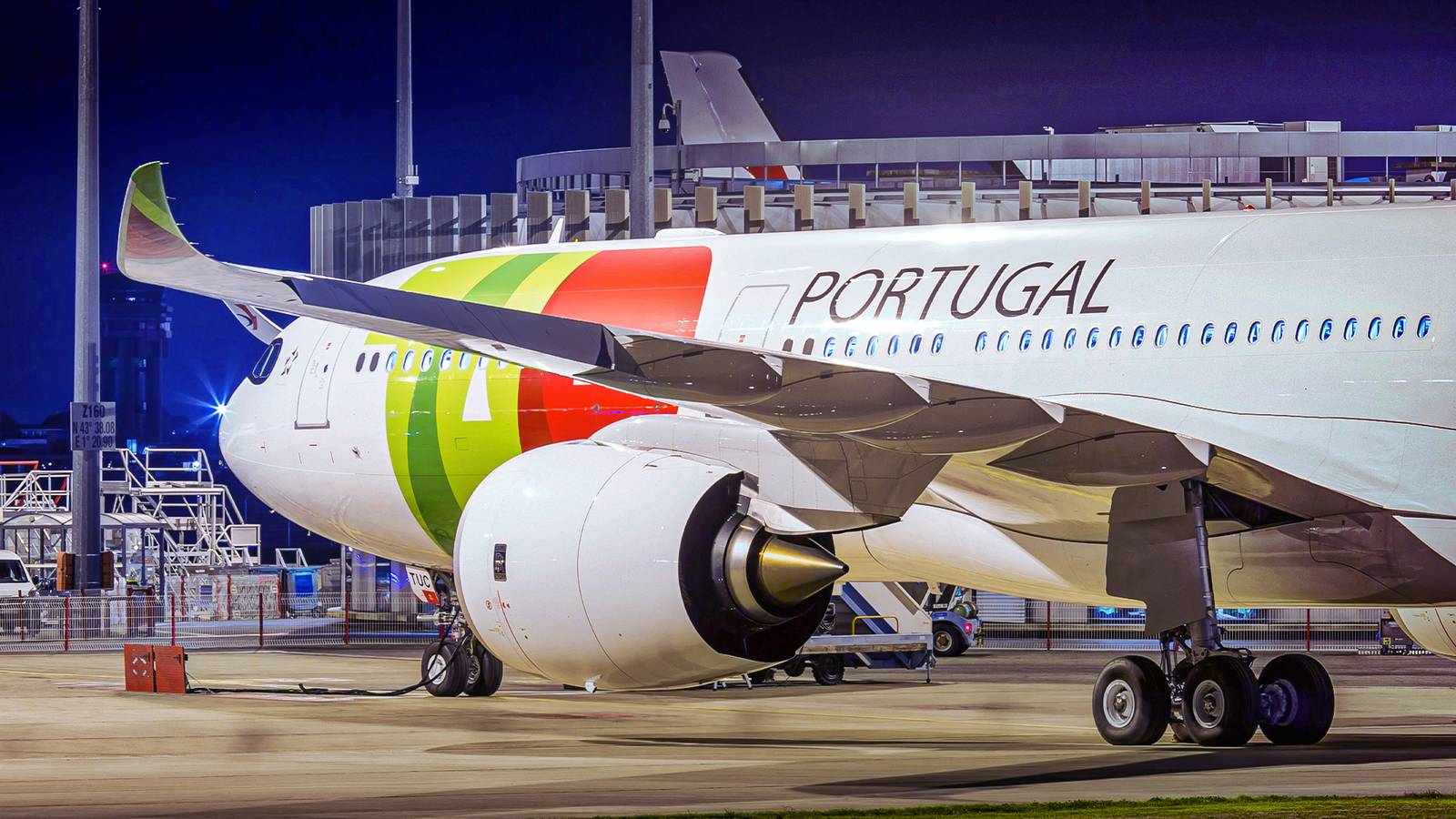
Published Jul 26, 2026, 4:00 PM EDT Luke Diaz is a freelance military writer with experience with active duty experience in the US Navy as well as defense and industrial engineering. He is a former Naval Flight Officer who performed tactical air control on the carrier-based E-2 Hawkeye. In an ironic twist of fate, the Boeing 787 Dreamliner foiled the market debut of the Airbus A330neo, yet in 2022, new turbine parts made for the European widebody finally resolved long-running engine trouble in the 787. The American-made next-gen jetliner caught Airbus off guard when it officially launched in 2004. But the engines on the facelifted Airbus have proven to be more reliable over the years. The Rolls-Royce Trent 7000 engines on the A330neo have logged over 1 million continuous engine flying hours with zero in-flight disruptions and nearly 100% dispatch reliability. Those statistics are the reason why the Dreamliner's troubled Trent 1000 engines are receiving engine durability enhancement packages based on the high-pressure turbine blade cooling system in the Trent 7000. The Trent 7000 has even outperformed competitor powerplants like the General Electric GEnx and Pratt & Whitney PW1100G, proving to be one of the most durable turbofans available for any widebody in the world. This stands in stark contrast to the service record of the two airframes that these engines are found on. The A330neo has only been sold in very limited numbers due to the incredible success of the 787 Dreamliner. Fatefully, Airbus had minimally invested in improvements to the '90s-era A330 airframe because it was consumed by the A380 program. Yet, today, the very plane that was snubbed by the market due to the 787's release has, in a way, proven to be its saving grace. Airbus' Unfortunate A330neo And Boeing's Boon Credit: Shutterstock The A330neo flopped because its stopgap updates paled in comparison to the host of next-gen technology in the new 787 Dreamliner. The composite construction of the 787 made it significantly more fuel-efficient and allowed for a host of improvements that not only reduced maintenance but also made the plane more comfortable for passengers. Airbus was caught so off guard by the Dreamliner's reveal that the maker scrambled to finish developing its A350 Xtra Wide Body series. Airbus was three years behind in releasing its next-gen twin-aisle twinjet, which sacrificed crucial market time and surrendered billions of dollars in potential sales to Boeing. Currently, Boeing has over 2,400 total orders for the 787, while Airbus has just under 1,600 in orders for the A350, and the A330neo has only received about 500 orders to date. At the very least, because the A330neo used the same aluminum airframe, it cost 10% or less of the development investment of its two newer peers. Originally dismissed as a kind of 'Band-Aid' when it was publicly unveiled, there is palpable irony in the A330neo's Trent 7000 engine helping to resolve a chronic issue in the 787 Dreamliner that was its undoing. Rolls-Royce was able to carefully refine the end of the A330neo because the plane used familiar architecture, unlike the Dreamliner with its aggressive list of innovative new technology that forced the engine maker to spread engineering resources thin. The culmination of this cross-platform engineering is the Trent 1000XE, or extra efficiency. The Dreamliner's Woes: The Rolls-Royce Trent 1000 Credit: Shutterstock The Rolls-Royce Trent 1000 saga has been one of the most severe and financially damaging engine crises in modern aviation history, according to Leeham News and Analysis. The crisis began when launch customer All Nippon Airways discovered micro-cracks in the engine's HPT blades. First surfacing in 2016, if undetected, blades could snap in mid-flight. The potential for uncontained engine failure due to this defect has cost Rolls-Royce over $3 billion in penalties and fixes. Fleet groundings spiked dramatically. At its peak, dozens of Dreamliners worldwide were parked on the tarmac completely engine-less, forcing airlines to wet-lease older replacement aircraft. As Rolls-Royce rushed to fix the HPT blades, a secondary issue emerged in the compressor section. Specific harmonics at high thrust settings caused the IPC blades to vibrate violently, leading to fatigue cracking. Even as the core fixes were rolling out, a fresh issue surfaced. Premature wear and tear were identified inside the combining spill valve assembly. The worn valves restricted fuel flow output at high power settings. This triggered uncommanded thrust changes, prompting new airworthiness concerns, according to the International Air Transport Association. The multi-year crisis has finally drawn to a decisive close through a massive billion-dollar durability program, thanks to the technology pioneered in the Trent 7000 on the A330neo. Rolls-Royce TotalCare: Keeping The Fleet In Top Shape Credit: Shutterstock Rather than introducing minor incremental updates, Rolls-Royce re-engineered the entire core of the engine. Maintenance and overhaul facilities in RR's TotalCare network around the world will strip the high-pressure core out of the Trent 1000 engines that are already in service in order to install the new components that will bring it up to the same standard as the 1000XE that is now being equipped on factory-fresh Dreamliners. When a 787 goes into the MRO shop for a C-check, they roll back out with a virtually brand-new powerplant. The engine crisis, however, has taken a major financial toll on Rolls-Royce. When the Trent 1000 turbine blades began cracking prematurely, the engines stopped flying. Not only did Rolls-Royce's hourly revenue dry up instantly, but the company became contractually liable for the multi-million-dollar repair costs. Alarmed by the potential for fleetwide groundings, legacy airlines pulled away from Rolls-Royce during the peak of the crisis. GE Aerospace capitalized on this vulnerability, capturing a staggering 78% market share of the Boeing 787 engine backlog with its GEnx-1B engine. During this time, the company transferred leadership to the current CEO, Tufan Erginbilgiç, who notoriously declared the company a "burning platform," as the BBC recounted in 2023. To save the company from financial ruin, thousands of employees were laid off, and the company narrowly survived, but it is now regaining momentum with speculation of an aggressive reentry into the narrowbody engine market. Hazards Of Innovation: Refining The 787 Credit: Shutterstock The 787 Dreamliner was Boeing's first clean-sheet design aircraft in decades, and it has gone on to be the best-selling widebody ever built. The plane is 50% carbon fiber composite material by weight, and it even eliminated the number of hydraulic systems through more extensive electrification of its internal systems. The combined qualities of the Dreamliner's advanced technology have made it a resounding success for its maker. Yet, since its launch, the 787 has suffered from poor time-on-wing performance that has frustrated operators and driven maintenance costs higher than expected. Solving this issue remains one of the few lingering dilemmas for Boeing even as the Dreamliner series continues to enjoy strong market demand. In fact, planes are rolling off the factory line in such great numbers that the plant continues to expand to this day. Introducing the new technology flow from the A330neo’s Trent 7000 will increase cooling airflow by 40% and prevent the microscopic cracking of turbine blades in the Trent 1000. Critically, this will prevent unscheduled off-wing maintenance intervals and finally bring the Dreamliner's engines up to par. But that's not all that Rolls-Royce is doing with its upgrade package. The engines will also be able to handle longer sustained high-thrust flight and endure ground operations in sandy environments with less wear and tear. The time-on-wing improvements complement Boeing's recent increased maximum takeoff weight redesign for the entire 787 lineup, improving not only the plane's reliability but its range and payload as well. The 787 iMTOW: Increased Maximum Takeoff Weight Credit: Shutterstock The 787-9 and 787-10 weight limits for airframes manufactured since December 2025 have been increased by the Federal Aviation Administration. The iMTOW update increases the payload to 10,000 pounds (4,536 kg) for the -9 and 14,000 pounds (6,350 kg) for the -10. Improved engine durability from the Trent 1000 engine series complements this new enhancement as the jets are expected to frequently use that extra capacity to carry more fuel, which will allow operators to reach further destinations than before. Among the three Dreamliner models, the 787-9 is already known as the 'Goldilocks.' The twin-aisle jetliner is highly favored due to its ability to balance fuel efficiency, cargo, and range. The 787-10 has long suffered from its comparative lack of range against the 787-9. This upgrade will add about 450 nautical miles (833 km), pushing it over the 7,000 mark and allowing the jet to comfortably fly transoceanic routes. Improved engine durability will offset the increase in wear and tear from longer flight times, keeping maintenance intervals at similar pacing for the new and improved Dreamliners. Even for customers that choose not to fly further distances, the combined upgrades in the latest iteration of the 787 series make them more adaptable and economical than ever before. iMTOW is also expected to make the Dreamliner even more competitive with the Airbus A350 Xtra Wide Body, encouraging 777-200 operators to modernize sooner. The A350 is larger than the 787-10, but the iMTOW improvement takes the largest Dreamliner closer to parity and makes it a far more formidable adversary. Meanwhile, the 787-10's additional capacity, paired with a 25% fuel burn advantage over the legacy 'triple seven', strengthens the financial case.
How Rolls-Royce Quietly Used The Airbus A330neo's Engine To Fix The Boeing 787's Broken One
Full Article
Original Source
Read the full article at Simpleflying →KhanList aggregates and links to publicly available news content. We do not host full articles from third-party sources. Always verify important information with original sources.