
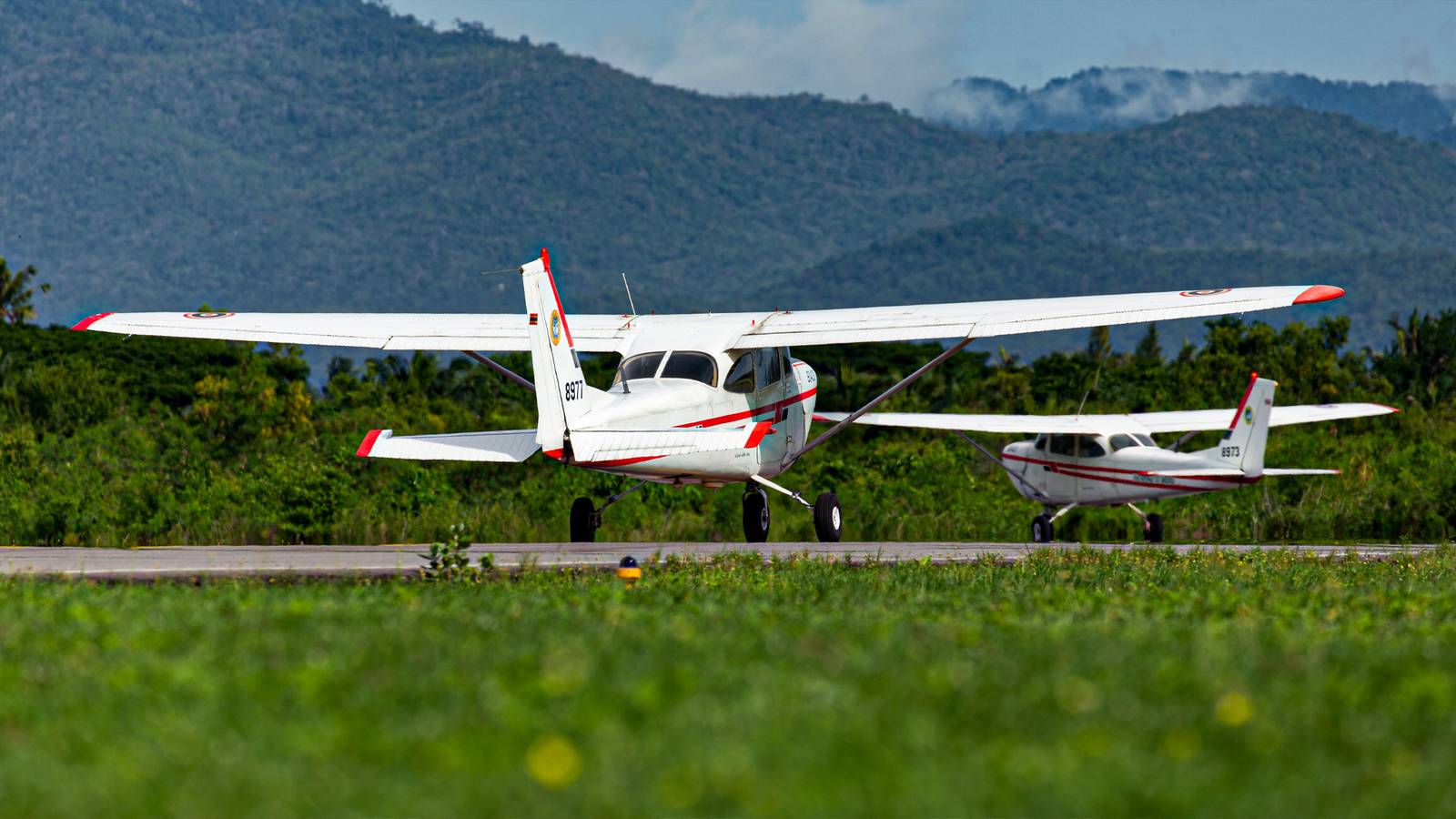
Credit: Percuzz_capt | Shutterstock, Simple Flying Published Oct 25, 2026, 3:00 PM EDT Passionate about promoting aviation, the beauty of flight and the science behind it, Antonio is an avid reader of aviation magazines and books, and he loves visiting airshows all over the world, taking photos and writing about airplanes and helicopters as well. He is currently based in Palermo, Sicily. Sign in to your Simple Flying account A used Cessna 172 Skyhawk can cost about as much as a high-end SUV. The purchase price, however, is the easiest number to find. The harder question is how much cash you need to keep the airplane flying year after year, especially when an annual inspection uncovers work that was not in the budget. For a Cessna 172 flown about 100 hours a year, a reasonable starting budget is another substantial sum that approaches the price of a utility car, but there are lots of factors to keep in mind that will affect the costs. In our article, we will break down the purchase price, the recurring expenses and the costs that are easy to overlook. The figures focus on the Cessna 172, and the price may vary for similar aircraft in the same GA category. How Much Does It Cost To Own A Small Plane In 2026? Credit: Antonio Di Trapani | Simple Flying Most 2026 estimates put annual ownership of a Cessna 172 at about $20,000 to $35,000 for roughly 100 hours of flying, before loan payments, according to Rotate's 2026 aircraft ownership guide. That is a broad range, and for good reason: hangar costs, pilot experience and maintenance history can change the bill substantially. That works out to $200 to $350 per flight hour. The lower end may look manageable next to the cost of buying the airplane, but the hourly figure changes sharply if you fly less than planned. A substantial part of the bill arrives whether the aircraft flies or sits in the hangar. The purchase itself is a major expense. Jaken Aviation's 2026 cost breakdown puts a flyable 1970s-era 172 at about $90,000 to $140,000, with a newer, cleaner example reaching roughly $180,000. There are cheaper ways to get into general aviation. As reported by Jettly, older two-seat Cessna 150s and Cessna 152s can sell for about $25,000 to $45,000, while a four-seat Piper PA-28 Cherokee may cost roughly $30,000 to $60,000. Those prices are not guarantees of a bargain: BlackJet describes the 2025-2026 used 172 market as tight, and an inexpensive aircraft can need expensive work. Older estimates also help explain why published totals differ. A 2023-era Simple Flying breakdown of owning a single-engine Cessna put the cost of flying a Cessna 172R for 100 hours at about $30,000 a year, using $5,000 in fixed costs plus $200 per flight hour, based on the Aircraft Cost Calculator. The example in this article uses a higher fixed-cost allowance, particularly for the hangar and annual inspection. The lesson is not that one estimate must be wrong; it is that the assumptions matter. To see where the money goes, start with the costs that arrive before the engine even starts. What Factors Influence The Cost Of Owning A Plane? Credit: Antonio Di Trapani | Simple Flying Aircraft ownership costs fall into three groups: fixed expenses, costs that increase with flying time, and reserves for major work later. AOPA's guide to budgeting for aircraft ownership makes the same distinction. Insurance depends in part on the pilot's experience and recent time in type, while fuel and much of the routine maintenance rise with use. Fixed expenses, meanwhile, have to be covered whether you fly 20 hours or 200. Hangar rent alone can run from about $300 a month at a small rural airport to more than $1,200 near a major city. That is $3,600 to over $14,400 a year before the aircraft has flown a minute. Insurance for a 172 commonly falls around $1,500 to $2,500 a year, although low-time pilots and more expensive aircraft can cost more to insure. The annual inspection is another bill worth treating cautiously. The inspection fee is not necessarily the final price. E3 Aviation Association estimates $1,500 to $2,200 for the inspection itself, but says a typical total with repairs can reach $2,500 to $4,500. On a neglected airplane, the bill may climb to $8,000 to $12,000. That is why buying a plane with a lower asking price does not automatically make it cheaper to own. Fuel is one of the largest costs tied directly to flying. A Cessna 172 burns roughly 8 to 9 gallons (30 to 34 liters) an hour. At assumed 2026 Avgas prices of $6.50 to $8.50 per gallon ($1.72 to $2.25 per liter), 100 hours of flying would mean about $5,200 to $7,700 in fuel alone. Cost item Annual cost Hangar $500 a month $6,000 Insurance Experienced pilot $2,000 Annual inspection Includes typical repairs $3,500 Fuel 8.5 gal/h (32 L/h) at $7.50/gal $6,375 Oil and routine maintenance About $15 per hour $1,500 Engine overhaul reserve About $17 per hour $1,700 Subscriptions and supplies Databases, cleaning, miscellaneous $800 Total About $219 per flight hour $21,875 In this example, fixed costs account for $12,300 of the annual total, while the variable items add about $96 per flight hour. At 100 hours, the result is roughly $219 an hour. At 50 hours, the same budget rises to about $342 per hour; at 200 hours, it falls to around $157. One 2026 estimate puts a 172 at about $440 an hour at 75 hours a year and $190 an hour at 200 hours. The aircraft has not changed. The number of hours spread across the fixed bills has. Of course, hangar, insurance and maintenance history could move the total in either direction. And the annual inspection is not the only cost that can keep a new owner out: experienced owners also have to set money aside for work that may be years away. What Do Experts And Aviation Sources Say About Ownership Costs? Credit: Khairil Azhar Junos | Shutterstock The recurring warning from aviation publications is to budget for future repairs, not just the bills that arrive this year. In Flying Magazine, AOPA highlights the importance of setting aside money for engine, propeller, avionics and airframe overhauls. The article estimates annual costs of $15,000 to $35,000 for a single-engine piston aircraft flown 100 hours, excluding loan payments. An owner's current records show why estimates can vary so widely. In an AOPA Pilot column, airline pilot Chip Wright tracked nearly $196,000 in spending on his 1977 Piper Arrow during the first two years, including the purchase and upgrades. His shop quoted $2,700 for an annual inspection, but a mechanic encountering the airplane for the first time needed additional hours to review the logbooks. Wright's direct operating costs came to about $80 to $90 per flight hour for fuel and oil, plus $520 a month for hangar and insurance. Simple Flying's ownership guide to the Skyhawk also notes that buyers often underestimate operating costs and that insurance depends on both the pilot's experience and the aircraft's value. The guide lists 2,000 flying hours as the maximum recommended interval between engine overhauls. For an owner flying 100 hours a year, that interval could represent 20 years of flying, but a used aircraft's engine may already have accumulated much of that time. Before comparing aircraft, check which expenses each estimate includes and whether it reflects the airport where you intend to keep the plane. The cheapest figure on paper may leave out the reserve that makes the difference between a manageable annual bill and an expensive surprise. It is also worth asking whether the 172 is the right aircraft for your needs in the first place. How Does Owning A 172 Compare To Other Options? Credit: Antonio Di Trapani | Simple Flying The Cessna 172 offers four seats and a familiar training-aircraft layout, but it is not the cheapest way to own an airplane. The two-seat Cessna 150 and 152 cost less to buy and burn roughly 6 gallons (23 liters) an hour, compared with the 172's 8 to 9 gallons (30 to 34 liters). For someone who usually flies alone or with one passenger, that smaller aircraft may be enough. The trade-off is less space and flexibility. At the other end of the scale, the Cirrus SR20 and Cirrus SR22 offer more speed and equipment, with higher purchase and operating costs. In Simple Flying's SR20 versus SR22 comparison, Cirrus lists a maximum cruise speed of 183 knots (211 mph/339 km/h) for the SR22, compared with 155 knots (178 mph/287 km/h) for the SR20. The price difference is substantial. The same article puts a new SR22 at about $937,900 and the used SR22 family average at roughly $574,105. Operating one typically costs about twice as much as operating a 172. In return, owners get a faster aircraft, modern avionics and a whole-airframe parachute system, but also a much larger purchase outlay and potentially higher insurance costs. Buying is not the only option. BlackJet frames Skyhawk ownership around the appeal of personal flying, training and flexibility, while charter can make more sense for some business trips. Renting or joining a flying club is worth pricing before committing to a purchase. V-1x's category-by-category guide offers a broader comparison of how costs change across aircraft types. The right choice depends on what you want to do with the aircraft and how often you will use it. But even a good match on paper can become a poor buy if you overlook the condition of the specific airplane, the equipment it needs or the money required to keep it airworthy. Why Do Some Pilots Give Up General Aviation? Credit: Antonio Di Trapani | Simple Flying Owning an airplane can turn a lifelong passion into a financial burden, particularly when work and family commitments leave less time to fly than expected. Hangar rent, insurance and maintenance bills continue to arrive whether the aircraft flies every weekend or sits unused for weeks. For an owner who planned to fly 100 hours a year but manages only 50, the cost per flight hour can rise sharply, making it harder to justify keeping the airplane. Unexpected maintenance can make the decision even more difficult. A pre-purchase inspection may uncover defects that change the economics of a deal, while an annual inspection can become much more expensive when repairs are needed. E3 Aviation Association also notes that upgrading an older Cessna 172 with outdated radios and no ADS-B can cost $8,000 to $25,000 for pilots planning IFR cross-country flying. These expenses come on top of the purchase price, fuel and insurance, and a neglected aircraft can turn an apparently manageable maintenance bill into a major financial setback. For some pilots, the answer is to sell the aircraft and return to renting or joining a flying club, paying for access when they actually need it rather than carrying the costs of ownership year-round. Others keep their airplanes but cut back on flying, which can make each hour more expensive still. Before buying, arrange a thorough pre-purchase inspection, obtain insurance quotes and calculate your budget using realistic annual flying hours. The crucial question is not simply whether you can afford to buy a Cessna 172, but whether you can afford to keep it when life gets in the way of flying. How Much Flying Makes Owning A Small Plane Worth It? Credit: Khairil Azhar Junos | Shutterstock The moment to reconsider ownership may come before the bills become unmanageable. If you find yourself canceling flights because of work, postponing maintenance to save money or watching an airplane sit in a hangar for weeks, it is worth asking whether you are getting enough out of it. A Cessna 172 can offer years of rewarding flying, but the economics look very different when you use it regularly than when you manage only a handful of trips each month. Before committing to a purchase, take a calendar and work out how many hours you could realistically fly over the next 12 months. Be honest about the weekends lost to bad weather, family commitments and routine maintenance. Then get a hangar quote from your home airport, ask an insurer for a premium based on your experience, and set aside money for repairs as well as the engine overhaul. If you expect to fly fewer than about 50 hours a year, compare those figures with renting or joining a flying club. You may discover that owning is still worthwhile, but you may also find that paying only when you fly leaves you more money to spend on flying yourself. There is one final detail worth considering before you make up your mind: the purchase price is the number you negotiate once, but the cost of ownership is the amount you live with year after year. A good deal on an aircraft can make the first step easier, yet it cannot guarantee that you will have the time or money to use it as much as you intended. The better question is whether the airplane will still fit your life after the excitement of the purchase has worn off.
How Much Does It Really Cost To Own A Small Plane In 2026?
Full Article
Original Source
Read the full article at Simpleflying →KhanList aggregates and links to publicly available news content. We do not host full articles from third-party sources. Always verify important information with original sources.