
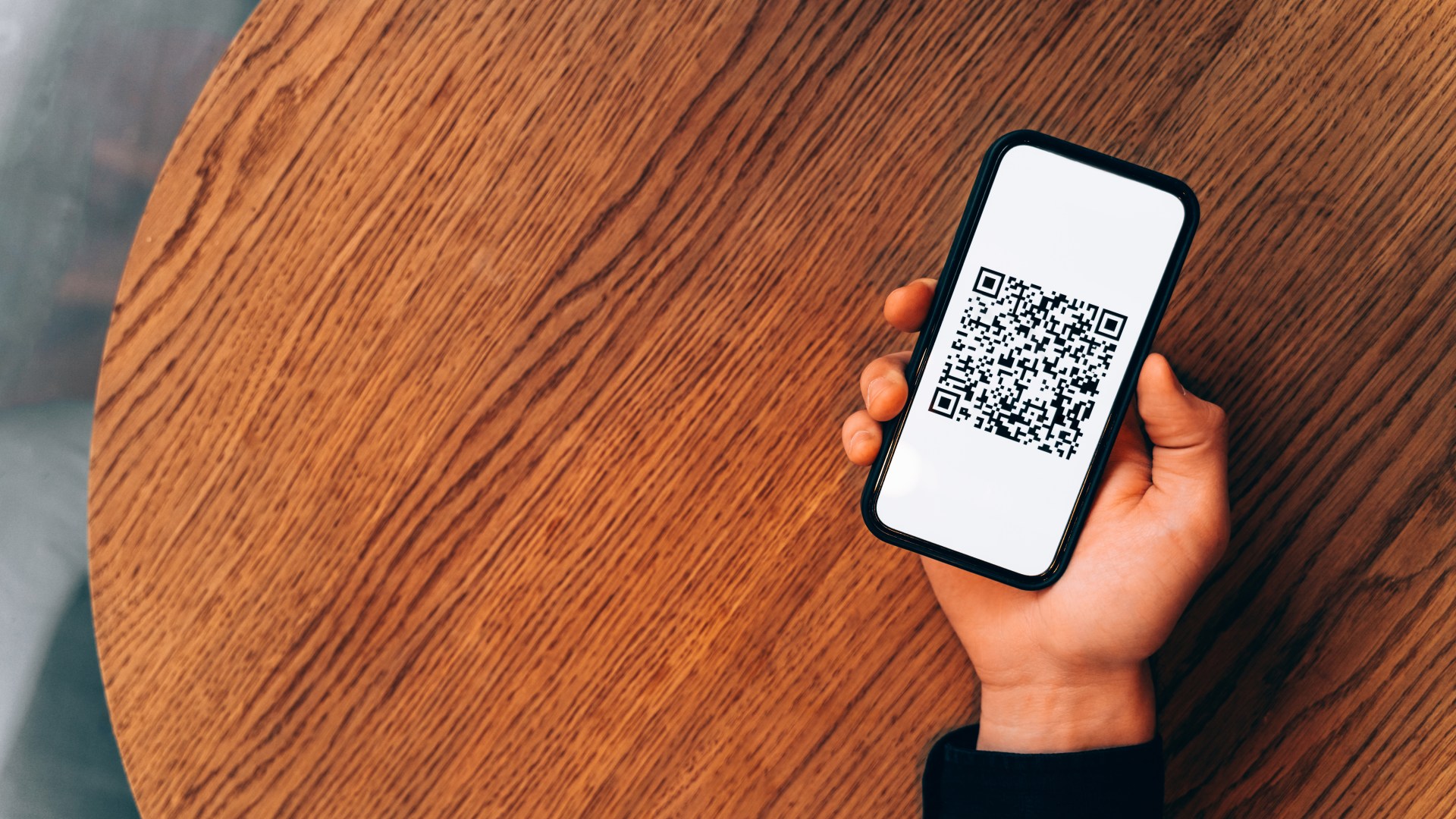
MILLIONS of holidaymakers are at risk of falling victim to a QR code scam while abroad – and you could lose £182. QR code scams work by taking you to a fake payment page that steals your card details or asks you to download harmful software. Holidaymakers are being warned to watch out for a new scam while abroad Credit: PA Think before you scan QR codes while out and about – they could be scams Credit: Yana Iskayeva Around three million holidaymakers say they have seen a dodgy QR code while on holiday, while 14 million say they are more likely to scan QR codes while they’re away. Approximately one in eight, equivalent to 6.6 million people, believe they have fallen victim to a travel-related scam at some point on holiday, with victims losing £182 on average. Sign up for the Money newsletter Thank you! Booking.com is warning travellers to be cautious when scanning QR codes in public places, especially before they enter their personal or payment details. Fake goods and souvenirs (12%), customer service contacts (8%), counterfeit attraction tickets (6%) and dodgy QR codes (6%) are the most common travel scams reported by Brits. Meanwhile, excitement about going on holiday can also cause holidaymakers to avoid basic scam checks while planning their trip. One in ten said they clicked on a holiday offer that seemed too good to be true. Gen-Z are particularly at risk, with 22% not checking a website’s URL, with a further 21% following a social media link to book. Despite this, travellers are taking steps to protect themselves, with almost half saying they make an effort to learn about scams before travelling. Most read in Money Meanwhile, four in ten believe they would spot a scam if they saw one, though 80% say scams are becoming more sophisticated. Millennials are the most confident generation when it comes to spotting scams, with 50% believing they could identify one. They are closely followed by Gen-Z, of which 49% believe they could identify a scam. But Gen-Z are the most likely to have fallen victim to a travel scam, at 32% compared to 18% of Millennials. Ryan Pearson, regional manager UK & Ireland at Booking.com, said: “As scams become increasingly sophisticated, it’s more important than ever for travellers to take a moment to pause before making a payment, double-check who they’re communicating with and stick to trusted platforms and providers wherever possible.” How can I avoid being hit? Stop and think Stop and think about whether a deal sounds too good to be true Credit: PA If an item is too cheap to be real then take a moment to reconsider. Only buy from established shops, venues and reputable markets. You can also check reviews and compare prices before you pay to add an extra layer of protection. Know who you’re talking to Make sure the person you are talking to is legitimate Credit: Alamy Use a company’s app or website to make sure its customer service details are correct. Try to keep communication within verified platforms such as WhatsApp and Facebook. Look for a blue tick to confirm that a business account is authentic and is operated by a legitimate brand. Buy from trusted providers Buy from trusted firms such as an attraction’s official website or an approved seller Credit: Alamy Only buy tickets from trusted providers, such as an attraction’s official website or an approved seller. Check the website address carefully before paying and walk away if you’re pressured to buy tickets while out and about on holiday. Save any proof of purchase and verify the entry details. Check before clicking on links Pause before clicking on links and never enter your payment details on unfamiliar sites Credit: Getty Be cautious when clicking or scanning links. If you receive a link then confirm the sender and website before clicking and avoid scanning unexpected QR codes in public places. Never enter your payment details on a website that looks unfamiliar. Pause before paying Pause before making a payment and question whether you’re being rushed Credit: Alamy If you receive a request to make a payment then check to make sure it came through a trusted channel. Stop and think if it seems urgent or asks you to move to another messaging app. When booking accommodation check your confirmation with the payment policy so you know when you’re paying and how. How do I report a scam? Always report a scam, even if you didn’t lose any money Credit: Misha Shutkevych Never rely on information you are given by a person or company who has contacted you out of the blue. If you are called by someone claiming to be from a bank, the police or another organisation then hang up. Speak to your bank by calling the number on the back of your card if you are concerned. Be truthful when speaking to your bank as its fraud checks are there to protect you. Always be honest about where you are sending money and why. If you’re approached by scammers then you can report them by calling Report Fraud on 0300 123 2040. You can also call the FCA helpline on 0800 111 6768. If you suspect a call, text or email could be from a scammer then it’s important to report it, even if you haven’t lost any money. Comment now
Holidaymakers warned to be cautious when scanning QR codes abroad as scam could cost you hundreds – 5 signs to spot
Full Article
Original Source
Read the full article at Thesun →KhanList aggregates and links to publicly available news content. We do not host full articles from third-party sources. Always verify important information with original sources.