
Get your daily dose of health and medicine every weekday with STAT’s free newsletter Morning Rounds. Sign up here. Good morning. Did anyone participate in Tesla Tallow Tuesday yesterday? And if so, how are you feeling today? Why are drug overdose deaths decreasing? After years of catastrophic increases in overdose death rates across the U.S., something unbelievable happened in 2024. That year, U.S. overdose deaths decreased 27%, and preliminary data from 2025 shows another meaningful drop. “It is unprecedented to see overdose deaths come down so dramatically, so quickly,” epidemiologist Brandon Marshall told me. But it’s unclear what caused the decline, or whether it will continue. A new report from the Commonwealth Fund identifies potential contributing factors in the U.S. and abroad. Read more from me about what policies it found may have helped to prevent deaths, and what questions there are about the future. HHS flip-flops on disability lawsuit Seventeen states sued the Department of Health and Human Services in 2024, alleging that a landmark disability law was unconstitutional. Two years later, a different federal agency is joining that lawsuit — on the states’ side. The Justice Department announced Monday that, on behalf of HHS, it was joining Texas, Florida, and Alaska in their suit to dismantle parts of Section 504 of the Rehabilitation Act of 1973, which prohibits disability-based discrimination by recipients of federal funds. They specifically have asked a federal court to strike every mention of community integration from the rule. (Louisiana and Montana, which left the suit, have returned to the ranks along with the DOJ.) If the states succeed, it would upend decades of legal precedent, though experts say existing case law still prioritizes disabled people living in their communities over nursing homes or institutions. Regardless, the Justice Department’s joining this suit is an early sign that the agency will make good on its June memo, which stated that it would no longer enforce the community integration mandate. — O. Rose Broderick A path to patients for AI devices The FDA has yet to release clear guidance on how it intends to regulate medical devices that use generative AI. In the meantime, four were recently accepted into an agency pilot program that will allow digital health companies to release their products without marketing authorization. The idea, STAT’s Mario Aguilar writes, is that the companies will collect data on how their devices perform in the real world, share it back with the agency, and eventually submit their products for FDA review under a traditional regulatory pathway. Experts are watching the program to get a better sense of how the agency interacts with companies and how it may impact future regulatory decisions. Read more from Mario on the devices that got the go-ahead. Inside the doctors’ office for vaccine-skeptical parents At Middleboro Pediatrics in Massachusetts, the team thinks of themselves as “a practice of last resort,” as one doctor there put it. Clinics around the country have formalized dismissal policies that allow them to disenroll a young patient if the parents don’t agree to vaccinations by a certain age. Locally, many of those patients end up at Middleboro. The doctors here won’t turn you away, but they will ask to have an introductory conversation to get a better sense of your big concerns. “If I think your child’s got a bad infection, will you reject my recommendations for antibiotics?” Aaron Bornstein, a Middleboro pediatrician, asked a mother in an appointment this summer. “At some point I need a level of trust that you’re coming here because you want my guidance.” STAT’s Eric Boodman spent a day shadowing Bornstein and sat in on one of these meet-and-greets. Read more for a glimpse inside the room where people are discussing vaccine misinformation and mistrust in real time. Relatedly, STAT’s Helen Branswell wrote yesterday about the new vaccination guidelines released yesterday by a cohort of professional organizations representing pediatricians, family doctors, obstetricians, and more. “Whatever happens to the federal vaccine policy process, we cannot lower that scientific standard,” said Bruce Gellin of the Vaccine Integrity Project, which led the effort. Read more. The FDA is getting stem cell clinics right There are an estimated 2,000 or more stem cell clinics and related firms across the U.S. that sell unproven and unapproved cellular products. At the start of this Trump administration, biologist Paul Knoepfler was worried that the FDA would not appropriately scrutinize these facilities. But in his latest Lab Dish column, Knoepfler argues that two recent actions show just the opposite. “In a time of ideologically and politically driven decision-making in medical regulations, the FDA’s recent science-based successes here are all the more surprising, worth discussing, and even celebrating a bit,” Knoepfler writes. Read more. What we’re reading The truth about American food safety, The Atlantic High fertility costs push Americans abroad for IVF treatment, KFF Health News Opinion: I was a doula before I was an OB-GYN. I wish the two professions understood each other more, STAT I fell for my husband’s doctor. Was it his fault or mine? The Cut
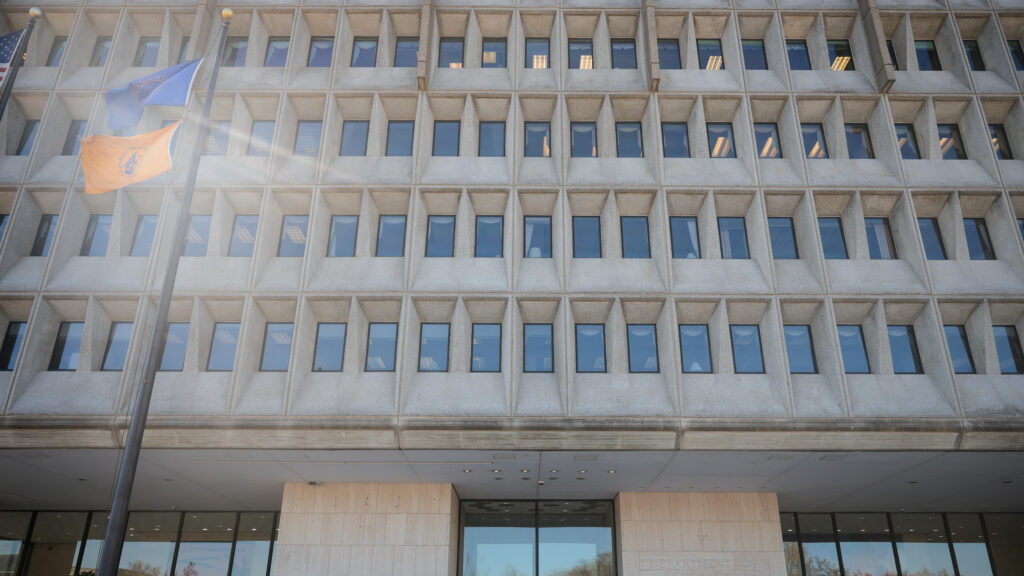
HHS flip-flops on disability lawsuit
Full Article
Original Source
Read the full article at Statnews →KhanList aggregates and links to publicly available news content. We do not host full articles from third-party sources. Always verify important information with original sources.