
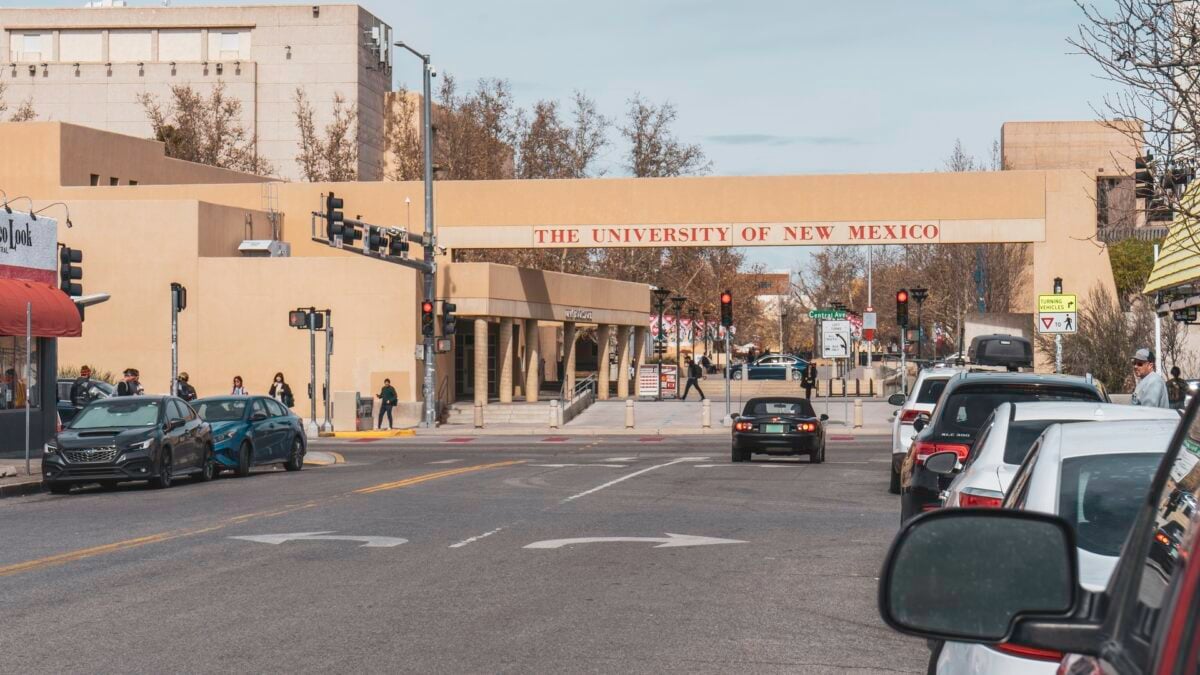
On Monday, University of New Mexico Health Sciences Center information technology teams identified a cybersecurity threat around 11 a.m. and began containment efforts. From 12:30 to 2:30 p.m., the health system temporarily diverted ambulance traffic to other hospitals in Albuquerque and Santa Fe, while outpatient surgeries and appointments were suspended for the remainder of the day as teams worked to protect the network. Notably, UNM Hospital is New Mexico’s only Level I trauma center. In an update provided by the UNM Health Sciences Center the following afternoon, officials said critical electronic systems were back online. “All UNM Health hospitals are fully open, ambulance traffic has returned to normal operations, and clinics have resumed regularly scheduled appointments and procedures,” the update stated. “Their assessment determined that the event affected some end-user devices but did not penetrate core systems or servers. Teams worked with external partners to secure the network and notified state and federal law enforcement.” Classes at the UNM School of Medicine, College of Nursing, College of Pharmacy, and College of Population Health remained canceled on Tuesday, and nonessential Health Sciences Center employees were asked to remain home. A later update added, “Classes and research activities at the UNM Health Sciences Center resumed Wednesday and clinical operations across all UNM Health facilities are fully functional.” The incident remains under criminal investigation, which may have limited what the university has shared publicly. UNM has not described the event as a ransomware attack. BYOD Claims Responsibility and Offers an Apology While all of this was going on, a hacker group called BYOD also listed the University of New Mexico on its data-leak site, which operates as a Tor hidden service. The post claimed 36,000 machines were compromised across the main campus and the hospital sector, along with two Oracle databases, Oracle HR and Payroll systems, student records, internal emails, electronic health record rosters, and other data. Additionally, it claimed to have every student and employee’s personally identifiable information, including Social Security numbers. “This is your entire network and infrastructure compromised, the entire university COMPLETELY,” the listing said, according to a republication via Dark Web Informer. “Anyways, you know where to find us (contact tab). We will take you down when communication has been established between our team and yours.” On Tuesday, BYOD published an update offering free decryption keys for remaining locked devices in the hospital sector only. The full message read: “We are offering the decryption key for the remaining of locked devices for free (ONLY for the hospital sector) we did not know that it was running machines related to assisting patients in real-time, (we would keep it locked if it was appointments, patient information + research data only), we are still going to keep the data, but we will provide the decryption key for the hospital sector only. Feel free to contact us on Session. To any patient that was affected, please provide us proof, and we will pay you up to $2500 each for the inconvenience. We are sorry once again. We have morals and we have a heart, we are not villains, but we will still continue to hold companies responsible for bad security leading to the compromise of any customer data. That’s the whole reason why we came about and we plan to keep it that way.” Following a cybersecurity incident, those responsible may attempt to exploit public concern through additional scams, including false offers of payments or compensation. pic.twitter.com/0nfSoRj3UB — UNM Health Sciences (@UNMHSC) October 28, 2026 It is unclear whether BYOD provided any decryption assistance that contributed to the restoration of systems at the UNM Health Sciences Center. The UNM Health Sciences Center did not immediately respond to a request for comment on that point from Gizmodo at the time of publication. The university’s public statements have not confirmed the claims from BYOD, so the full extent of those claims remains unverified at this time. The closest thing to a public statement regarding BYOD was included in a Wednesday update from UNM, which stated, “Following a cybersecurity incident, those responsible may attempt to exploit public concern through additional scams, including false offers of payments or compensation.” The statement also claimed, “UNM did not make concessions with any group behind the threat.” What is BYOD? BYOD is a relatively new ransomware group that emerged roughly a month ago. According to BleepingComputer, the group’s leak site lists six victims so far, including T-Mobile, and it has already published data it claims to have stolen from three of them. The group has described its activity as a form of “pentesting” intended to expose vulnerabilities and hold data controllers accountable. One of its earlier targets was Trump Mobile, where the group posted a database of what it claimed was 3,615 customer records. Reporters and security researchers later verified parts of the data as authentic. The leaked file contained real names, email addresses, phone numbers, physical addresses, and order details. According to International Cyber Digest, records associated with Trump Organization Chief Information Officer Eric Brunnett and U.S. Congressman Mike Kelly were included in the data. BYOD alleged the breach occurred after malware infected a device at partner company Liberty Mobile, and claimed Trump Mobile responded by saying it had no security team to handle the incident. Public apologies and offers of free decryption keys from ransomware groups are uncommon, but they’re not completely unprecedented. In January 2023, the LockBit group formally apologized for an attack on Toronto’s Hospital for Sick Children after an affiliate violated internal rules against targeting medical institutions. LockBit stated it had blocked the affiliate and released a free decryptor. The hospital later said it had not paid a ransom and was restoring systems from backups. Other similar instances of this kind of activity include Conti’s handling of Ireland’s Health Service Executive attack and the release of a master key by TeslaCrypt.
Hacker Group Claims UNM Hospital Cyberattack, Then Apologizes and Offers Patients $2,500
Full Article
Original Source
Read the full article at Gizmodo →KhanList aggregates and links to publicly available news content. We do not host full articles from third-party sources. Always verify important information with original sources.