
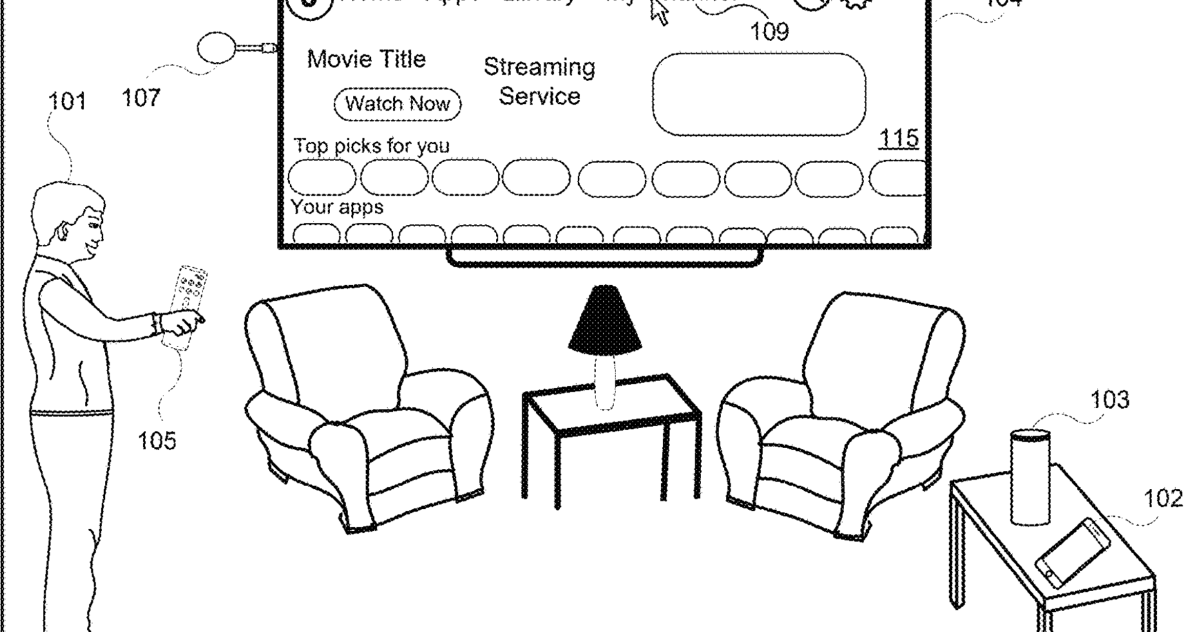
Last year, Google filed a patent for a system called My Channel that’s designed to create feeds filled with personalized, AI-generated videos and advertisements based on information the company knows about its users. The patent has been rejected, but unfortunately, Google might appeal or resubmit an amended version, and we could see this monstrosity come to market.First spotted by Patentlyze, the patent — which was filed last May and published last week — describes how My Channel would use a person’s demographic data and viewing history to create its own prompts that would then be fed into an LLM to help generate AI videos tailored to that person’s specific interests. In addition to factoring in what kinds of videos a user tends to watch, the system would capture contextual data from their device like IP addresses, GPS locations, and specific details about the user’s age. My Channel could also base its prompts on current news like sports scores and things happening on social media, and all of the video generation would take place on Google’s servers.According to the patent, My Channel would be able to churn out entire movies of various genres. If a user watches a lot of videos about Christopher Nolan’s The Odyssey, the system might serve up something like Ash Koosha’s Odysseus: The Fall. The patent details how My Channel might be able to connect to other streaming services — which would give it even more information about users and, presumably, access to useful training data for video generation. It all seems like a convoluted way to whip up AI knockoffs of professionally produced art, but what’s most unsettling about the patent are its mentions of My Channel creating digital avatars of users and turning them into “the protagonist or lead character” in the content it pumps out.Image: GoogleSetting aside the fact that My Channel would use photos, videos, and audio clips of people to create these avatars, the system sounds like it is designed to generate a form of “entertainment” that is deeply at odds with what makes engaging with art a worthwhile, enjoyable experience. It can be fun to metaphorically project one’s self into fictional narratives to understand how characters feel, but what Google is proposing is giving people access to an endless supply of bespoke content that doesn’t at all encourage them to use their imaginations to empathize with or relate to the characters. The patent makes it seem like Google thinks that viewers would be entertained enough just by seeing themselves onscreen. That’s bleak in and of itself because My Channel sounds very much like an unholy cross between JibJab and the panoptic elements of Google.My Channel feels like an even more depressing idea when you consider how the service would make it that much easier for its users to avoid broadening their horizons by being exposed to new things that exist outside their comfort zones. If Google were able to strike the right licensing deals with other streaming services, My Channel users could presumably gorge themselves on artless AI regurgitations of preexisting content. That might keep some people glued to the service — a goal that every streaming platform strives for — but it would also discourage them from engaging with entertainment that isn’t expressly crafted to appeal to their assumed tastes.When people refer to AI-generated videos as “slop,” they’re talking about the fact that generative models are incapable of generating art with the same kind of creative intention that makes human-made stories compelling. Video generation models can mimic visual elements of the data (read: movies and series) they’re trained on, but they cannot truly think or feel in the way that directors, writers, and actors can. This reality is why it has been so baffling to see AI-boosting entertainment companies, streamers, and studios insisting that the technology will fundamentally revolutionize the industry for the better. It feels much more likely that gen AI is going to keep flooding the internet with garbage no one wants to watch.Follow topics and authors from this story to see more like this in your personalized homepage feed and to receive email updates.Charles Pulliam-Moore
Google’s patent for custom AI video feeds paints a bleak picture of entertainment’s future
Full Article
Original Source
Read the full article at Theverge →KhanList aggregates and links to publicly available news content. We do not host full articles from third-party sources. Always verify important information with original sources.