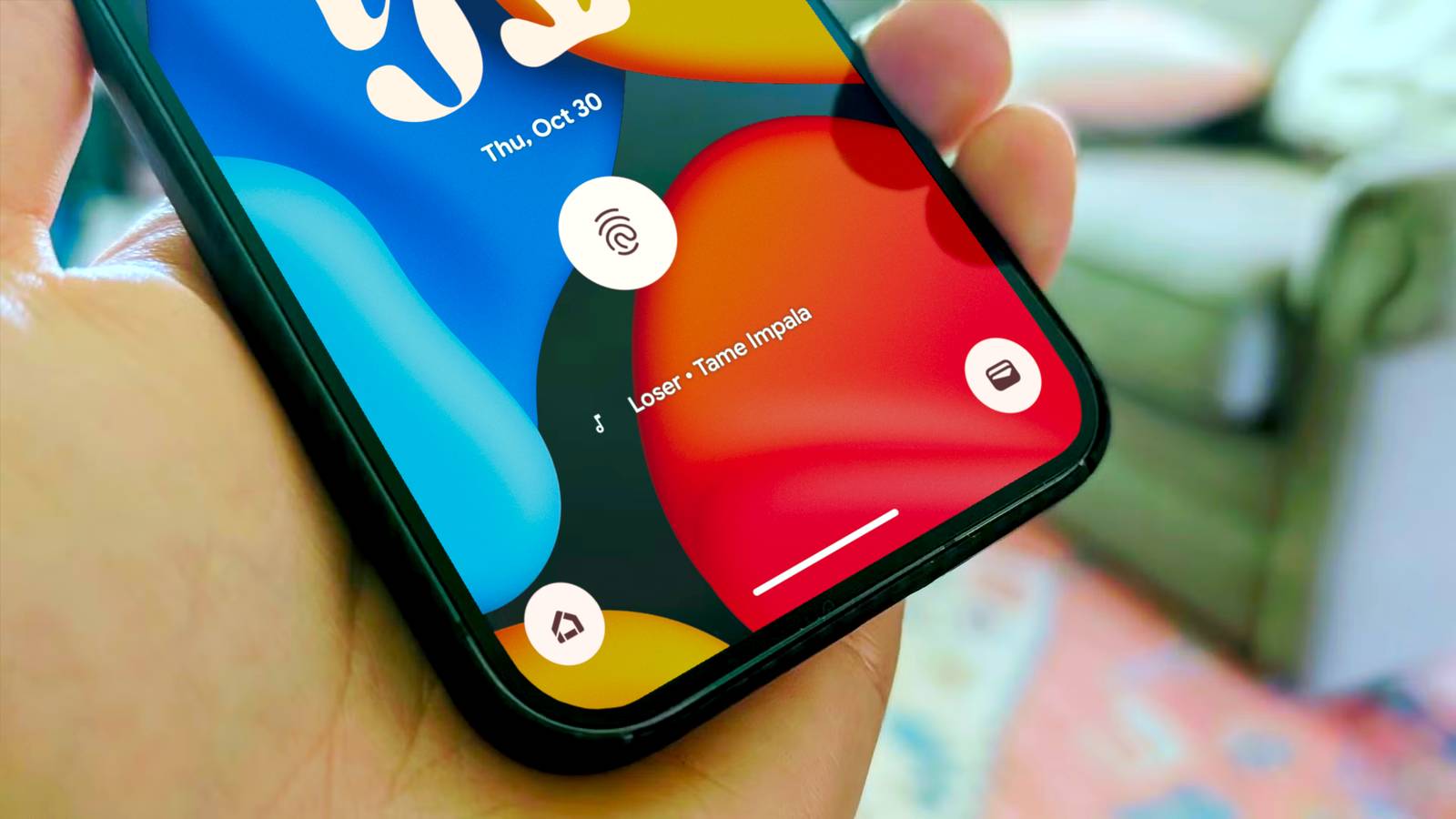
Published Jul 31, 2026, 11:00 AM EDT Joe Fedewa has been writing about technology for over a decade. Android and the rest of the Google ecosystem have been a focus for years, as well as reviewing devices, hosting podcasts, filming videos, and writing tutorials. Joe loves all things technology and is also an avid DIYer and food blogger. He has written thousands of articles, hundreds of tutorials, and dozens of reviews. Before joining How-To Geek, Joe worked at XDA-Developers as Managing Editor and covered news from the Google ecosystem. He got his start in the industry covering Windows Phone on a small blog, and later moved to Phandroid where he covered Android news, reviewed devices, wrote tutorials, created YouTube videos, and hosted a podcast. From smartphones to Bluetooth earbuds to Z-Wave switches, Joe is interested in all kinds of technology. After several years of jailbreaking and heavily modifying an iPod Touch, he moved on to his first smartphone, the HTC DROID Eris. He's been hooked ever since. Google Pixel phones have a handful of exclusive features, but the one that gets consistently mentioned among the “coolest” is Now Playing. Earlier this year, it got a much-needed glow-up with its own dedicated app. Sadly, this update also broke some really fun things, too. A quick crash course on Pixel Now Playing Hard to believe it’s almost 10 years old Back in 2017, Google was still just getting its feet wet with phone hardware. The original Pixel had been mostly well-received, but it lacked exclusive features—reasons for people to choose it over a Samsung Galaxy. So, it introduced Now Playing on the Pixel 2 and Pixel 2 XL. The inner workings have changed a bit over the years, but the general idea is the same. Pixel phones are constantly listening for music, and if they identify a song, the information is displayed on the lock screen. Whenever you have a “what song is this?” moment, you can simply check your phone and see the details without having to do anything. It’s awesome. People assume that Now Playing uses the internet, but it actually relies on a database of songs stored on the phone itself. It only uses the internet to periodically update that library on Wi-Fi, and when you manually force a song search. No data from Now Playing is stored on Google’s servers or third-party services. In March, Google finally gave Pixel users what they’ve been asking for for years: a standalone Now Playing app. Previously, it was tucked away in the Settings, which is where you’d have to go to see the Now Playing history. Now, it has a beautiful dedicated app, but not everything is peachy keen. And I can’t find any workarounds Alright, let’s get down to business. I mentioned that the Now Playing information is displayed on the lock screen, but that didn’t used to be the only place. There was also an option to see Now Playing as a standard notification. However, that was not included in the new app. Why is that important? Android has a permission that allows apps to read notifications. A few apps and services used this permission to do cool things with Now Playing. But since Now Playing is only available on the lock screen (and a Quick Settings tile), there’s no way for a third-party to see what it’s doing. One example was a nifty IFTTT applet that would log every song identified with Now Playing into a Google Sheets spreadsheet. Each time your phone displayed a Now Playing notification, IFTTT would grab the song title and artist, then add it to the bottom of the sheet. Before I canceled my Spotify subscription, I used an Android app called “Now Playing to Spotify.” This app would automatically add any song identified by Now Playing to a Spotify playlist. It was so much more useful than checking the Now Playing history, but it doesn’t work anymore. You can still manually add songs from Now Playing to Spotify or YouTube Music, but the automation was miles more useful. Two steps forward, one step back Look, I’m not going to pretend this is a travesty—it took me four months to notice, after all. I like the dedicated Now Playing app, and the new Quick Settings tile is nice, too. In all honesty, I mainly used it from the lock screen anyway. That being said, I did appreciate having the option to decide where Now Playing information would appear. Before the standalone app, you had the option to enable it on the lock screen, notifications, or both. Now, it’s a simple on or off toggle. That’s it. So, I won’t go as far as to say the new Now Playing experience is one step forward, two steps back, but it’s not quite the full win I originally thought it was. It’s always sad when cool, community projects are broken by Google’s changes. Google Pixel 10 Pro $749 $999 Save $250 The Pixel 10 Pro offers an upgrade over the base model with the powerful Google Tensor G5 chip, more RAM, and more storage (if you need it). Google Pixel 10a SoC Google Tensor G4 Display 6.3-inch Actua display The Google Pixel 10a is a barely updated version of the Google Pixel 9a, with a slightly brighter screen and an upgrade from Gorilla Glass 3 to Gorilla Glass 7i. Google has shaved the remaining few millimeters from the camera bump, making it completely flat. Unlike prior versions of the Pixel a series, this model year does not share the same Tensor processor as the mainline Pixel 10.
Google’s new Now Playing app quietly broke what made it even more special
Full Article
Original Source
Read the full article at Howtogeek →KhanList aggregates and links to publicly available news content. We do not host full articles from third-party sources. Always verify important information with original sources.