
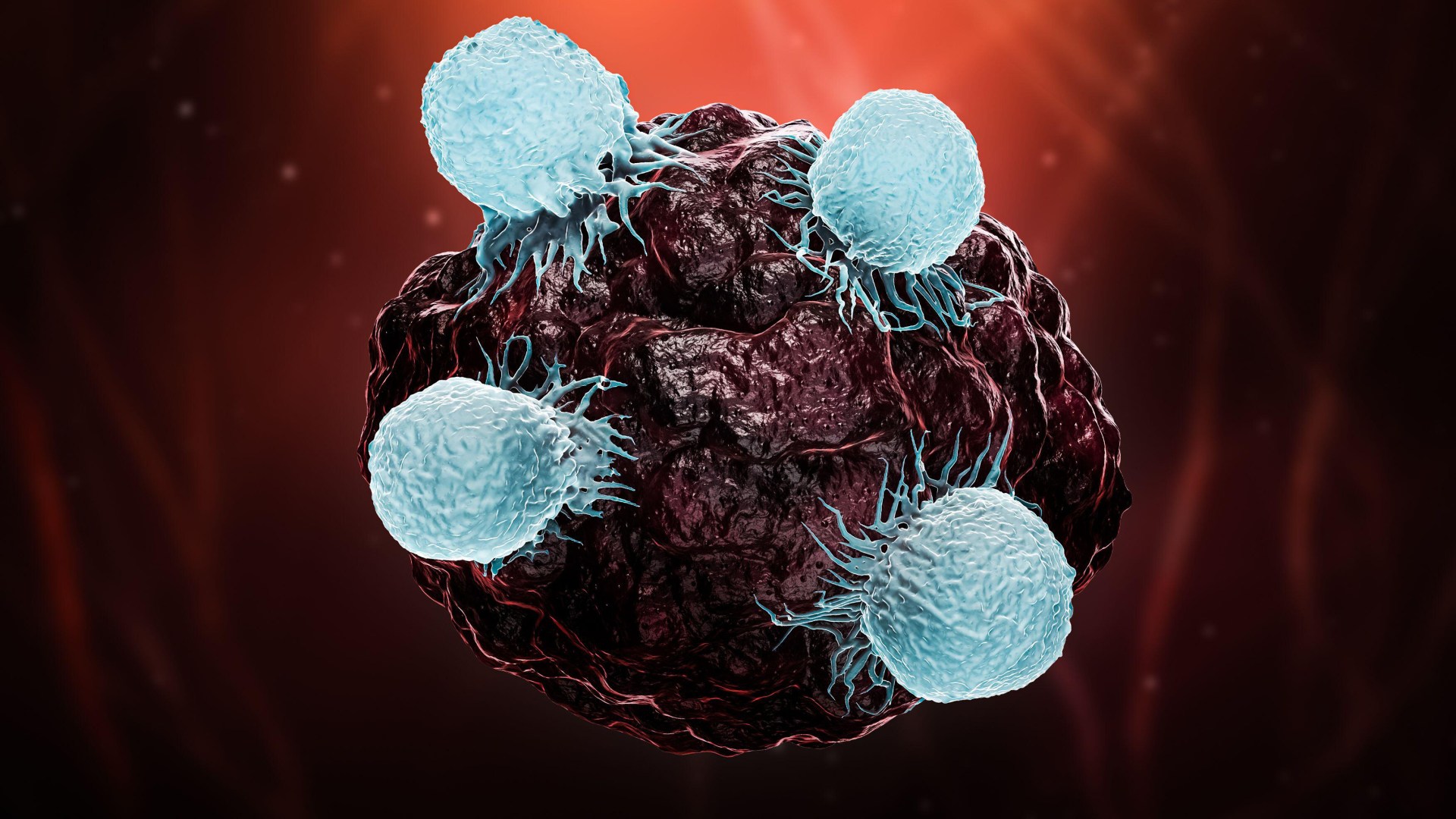
Credit: Alamy GIVING cancer patients treatment early in the morning rather than in the afternoon could improve survival rates, research suggests. British scientists have found that people with advanced cancers, including kidney, lung and skin, lived twice as long if they received immunotherapy drugs at the start of the day instead of after lunch. The best results were seen among patients with melanoma, the deadliest type of skin cancer. Immunotherapy boosts the body’s immune system to fight cancer cells. Sign up for the Health newsletter Thank you! Small studies assessing appointment times have already suggested similar results, but critics claim they could be skewed because frailer patients may not be able to come to clinics till later in the day. But now, in the largest study of its kind, the scientists from The Christie, the renowned Manchester cancer hospital, said the findings show that treatment timings are “worth exploring further”. Researchers who led the trial, published in the British Journal of Cancer, think it could be due to the immune system being more active very early in the day. Professor Paul Lorigan, consultant medical oncologist at The Christie and senior author of the study, told The Telegraph: “The most important message from this research is that there appears to be a signal worth investigating further. “Our findings suggest that patients receiving immunotherapy earlier in the day may have better outcomes than those receiving treatment later in the day. “But this was a retrospective study, so we cannot conclude that timing alone is responsible.” Most read in Health He added: “One of the strengths of this study is its size and the fact that we saw a broadly consistent pattern across several different tumour types.” In the study, the scientists analysed 2,631 patients with advanced lung cancer, melanoma, kidney cancer, head and neck cancer, and urothelial cancer, which includes bladder cancer. All were treated between 2018 and 2023 and received immunotherapy. They found that patients with melanoma treated with the drugs nivolumab or pembrolizumab survived for a median of 43.1 months when treated early in the day. This compared with 21.1 months among those who received most of their infusions in the afternoon. Among lung cancer patients receiving the drugs atezolizumab or pembrolizumab, median survival was 24.4 months in the morning group, compared with 11.8 months in the afternoon group. For another group of melanoma patients receiving a combination of ipilimumab and nivolumab, so few had died in the morning group that median survival had not been reached. This compared with 22.4 months in the later group. Large differences were also seen among some kidney cancer patients, with those who received a combination of ipilimumab and nivolumab survived for a median 39.2 months when treated earlier in the day. By comparison, those treated later survived 26.1 months on average, a difference of more than a year. Across all the cancers studied, patients given most of their treatment in the morning survived for a median 21.4 months, compared with 13.1 months among those treated largely in the afternoon, the scientists found. The difference amounted to roughly eight months, with average survival around 63 per cent longer among those treated earlier. Further research will now assess if circadian rhythms – natural changes governed by the body’s internal biological clock – may influence how the immune system functions and responds to treatment. Experts suggested that one reason why patients could live longer could be because the immune system is more active early on and there are more immune cells in the blood – possibly because our body clock gets the immune system ready to face daytime threats. Immunotherapy drugs stop cancer cells binding to T-cells – defender cells released by the immune system. Effectively, this helps to turn the immune system back on. Giving immunotherapy early in the day could supercharge this response, given there are more T-cells circulating then. But, scientists at The Christie stressed that patients should continue attending appointments as scheduled and should not seek to move treatments earlier based on the findings. WHAT IS IMMUNOTHERAPY? Immunotherapy is a modern cancer treatment that is one of the biggest breakthroughs in tackling the disease in decades. According to the Cancer Research: “Immunotherapy ‘wakes up’ a patient’s own immune system so it can fight cancer.” Immunotherapy treatment works in two ways: Stimulating a patient’s immune system to work harder to attack cancer cells Injecting a patient with extra immune system components such as antibodies or white blood cells The treatment is fairly new and scientists are researching ways to harness the power of the immune system. Studies are now combining the immune-boosting technique with other ways to lower cancer cells’ defences and make them more vulnerable to attack. Comment now
Getting cancer treatment in the morning ‘could DOUBLE survival time’, study finds
Full Article
Original Source
Read the full article at Thesun →KhanList aggregates and links to publicly available news content. We do not host full articles from third-party sources. Always verify important information with original sources.