
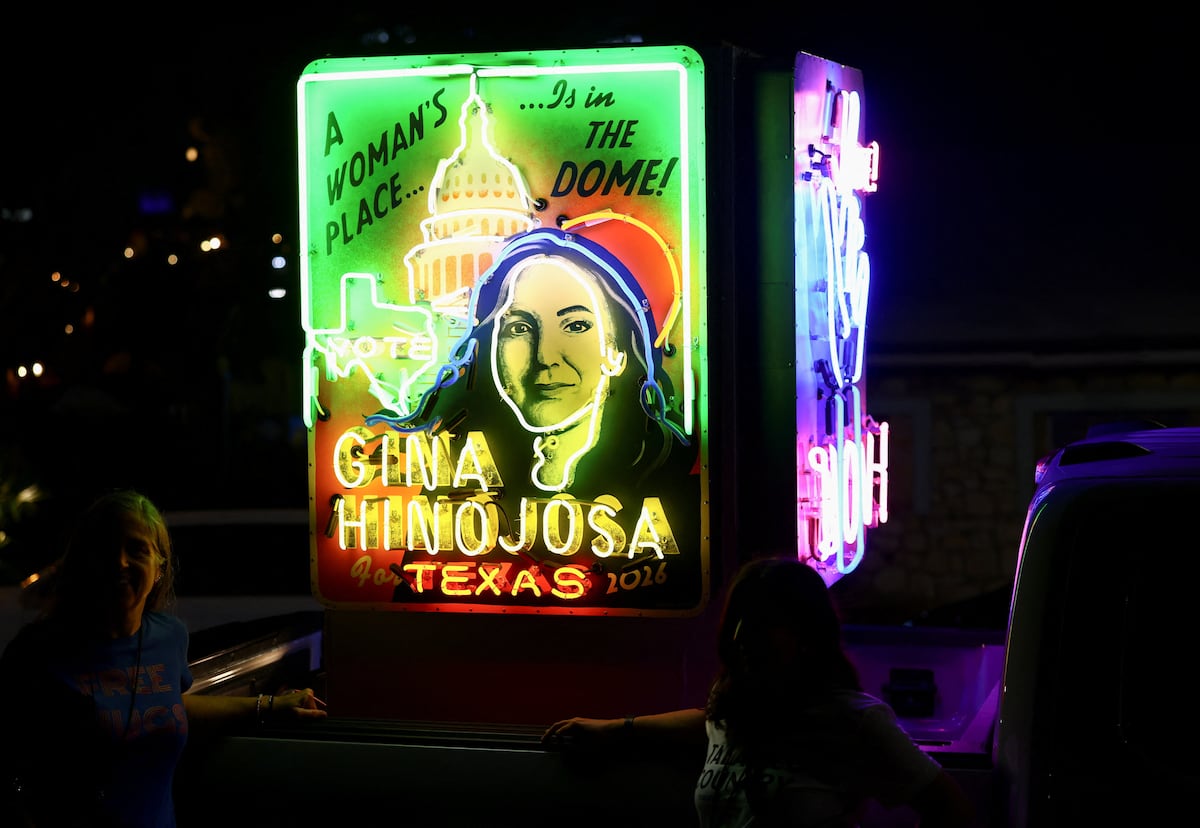
Texas, 1868. The door of a wooden cabin opens onto the vast stone icebergs of Monument Valley and we see John Wayne arrive on horseback, covered in dust, wearing a Confederate soldier’s uniform. Few openings in film history have had as enduring an influence as that of The Searchers. John Ford’s masterpiece, which always appears on lists of the greatest films ever made, is, indeed, a film about the hatred that eats away at Wayne’s character, Ethan. But another central theme runs through the film: Ford portrays the making of a country marked by violence, but also by coexistence and cultural diversity.The party that set out to retrieve Swedish farmer Lars Jorgensen’s stolen cattle discovers that the rustlers are actually Comanches, who murder his family and abduct a girl. When everyone else withdraws, John Wayne keeps searching, driven by racism and revenge, accompanied by one of Jorgensen’s sons, who will lose his life, and a half-Cherokee boy. When winter arrives, they return to the Jorgensen house, where one of the most moving scenes in the film takes place. “Ethan, this country,” Lars Jorgensen says, speaking English with a strong Nordic accent. “It’s this country killed my boy,” he continues. But his wife replies: “No, Lars. It just so happens we be Texicans. Texican is nothin’ but a human man way out on a limb. This year and next, and maybe for a hundred more. But I don’t think it’ll be forever. Some day this country’s gonna be a fine, good place to be. Maybe it needs our bones in the ground before that time can come.”Texas produced one of the biggest surprises of the midterm elections, in which the Republican Party, dominated by President Donald Trump, suffered a historic reverse. For the first time in 30 years, the Democrats won the Senate seat, and for the first time the state will have a Hispanic governor, Gina Hinojosa. The midterms, which will shape the second half of Trump’s term, have been defined as the elections of firsts: the first openly gay senator, Chris Pappas; the first Muslim senator, Abdul El-Sayed, against whom the president and the MAGA world unleashed all kinds of racist slurs; the first Black governor of Georgia, Keisha Lance Bottoms (one of the Old South states where racist laws remained in force until the 1960s); the first Jewish governor of Ohio, Amy Acton (also the first woman to govern that state)…Particularly significant are the gains in political representation for Native Americans: Deb Haaland, of the Laguna Pueblo tribe, has become the first Native American governor of New Mexico, a state where about 12% of the population are Indigenous; and Peggy Flanagan, of the Ojibwe people, will be the first Native American lieutenant governor, in Minnesota. In total, according to a tally by The Guardian, 180 Native candidates were elected to local, state, and federal offices, a record. It is astonishing that the original inhabitants of the United States were excluded from many institutions until now: they did not gain full citizenship rights until 1924 and were unable to exercise the right to vote in every state until the 1960s.All these names reflect a country forged by different cultures and nationalities, a diversity that the years of Donald Trump’s presidency tried to erase from the map, as if white Christians were the only legitimate owners of the United States. In fact, the Republican leader has made numerous statements against the civil rights movement and, when John Lewis died, one of the icons of that struggle, he publicly disparaged his legacy. Yet American culture is soaked in this diversity and in the struggle to give all minorities a voice, from Elvis Presley, who summed up U.S. social injustice in In the Ghetto, to, of course, To Kill a Mockingbird.Harper Lee’s masterpiece, one of the most popular and influential American novels of the 20th century, is a plea against racism and prejudice. The author’s biographer, Charles J. Shields, wrote that its success can be explained because “it deals with an essential theme: the challenge of living at peace with people who are different.” One of the most famous lines from its protagonist, Atticus Finch, speaks directly to coexistence: “You never really understand a person until you consider things from his point of view [...] until you climb into his skin and walk around in it.”Released in 1956, the villains in The Searchers are the Comanches, murderous Indians who kill almost for pleasure. But the film can also be read as a portrait of the hatred and racism that destroy a society from within, as happens with the character of Ethan. In fact, in his last western, Cheyenne Autumn, released in 1964 in the midst of the civil rights movement, Ford denounced the genocide suffered by Native Americans during the conquest of the West. “There are two sides to every story, but for once I wanted to show their point of view. Let’s face it, we’ve treated them very badly — it’s a blot on our shield. We’ve cheated and robbed, killed, murdered, massacred and everything else, but they kill one white man and, God, out come the troops,” Ford said in an interview with Peter Bogdanovich. It was his way of asking for forgiveness.There is still a long road ahead, but these midterm elections of firsts show that, despite setbacks, justice can continue to move forward. Another line from Atticus Finch sums up the spirit of these contests: “Simply because we were licked a hundred years before we started is no reason for us not to try to win.”Sign up for our weekly newsletter to get more English-language news coverage from EL PAÍS USA Edition
From John Ford to Elvis’s ghetto: The fight against injustice in the United States
Full Article
Original Source
Read the full article at English →KhanList aggregates and links to publicly available news content. We do not host full articles from third-party sources. Always verify important information with original sources.