
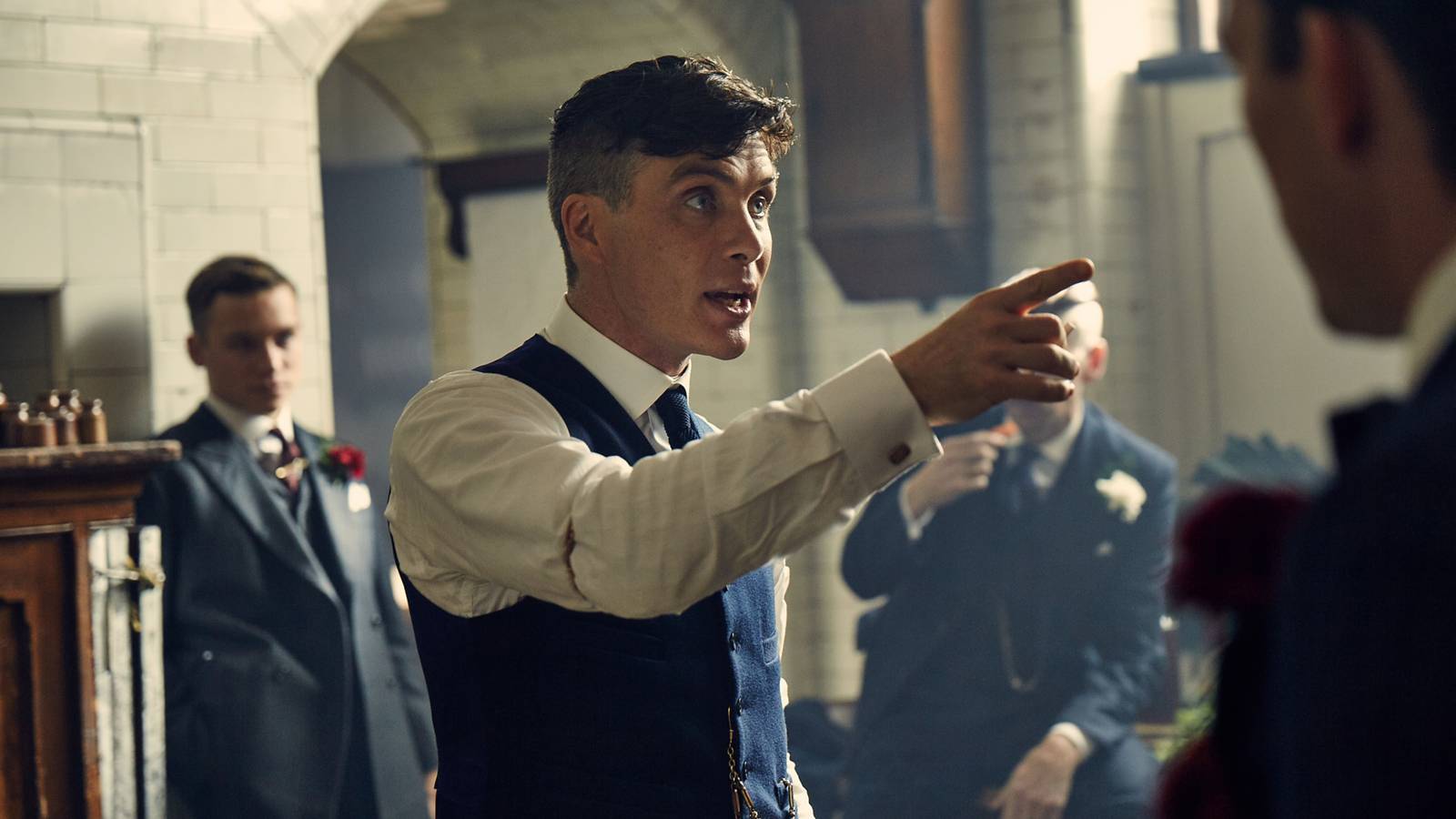
Published Oct 31, 2026, 3:31 PM EDT Casey Duby is an avid TV writer, watcher, and reviewer. She graduated from Emerson College in 2021 with a focus in Writing for Film and Television, where she wrote several pilots and watched countless more. She's been working in television ever since. Casey loves thoughtful content that makes her ponder our world and the people in it, and she's learned that any genre can surprise her. With favorites in every genre from horror to politics, family to action, nothing is off limits. Casey has experience working in TV development and writing scripted shows. Currently working as a Writer/Critic in Los Angeles, with an AMC A-List membership to boot, she is always hunting for the next good story and great theme song. The power of Peaky Blinders' titular gang was largely due to the sheer force of the Shelby family's collective personalities. Cillian Murphy's Tommy and Helen McCrory's Polly were as smooth as they were strategic, while Paul Anderson's Arthur and Joe Cole's John brought a brazen fearlessness to every fight. Every Shelby was headstrong, intense, and relentless once they put their mind to something. While these traits made the Peaky Blinders a force to be reckoned with, they also proved to be many characters' fatal flaws. It was pride and stubbornness that put the once-close Tommy and Polly at odds with one another, laying the groundwork for Michael, Polly's own son, to become one of Tommy's greatest adversaries. For all the fights they won, the Shelby siblings walked away with more enemies, and as capable as Tommy was of carrying the weight of the world on his shoulders, there was no shortage of people eager to see his downfall. The more death swirled around Tommy, the more he became entrenched in melancholy, suspicion, and an instinct to fight his way out of his problems. The Peaky Blinders and their business endeavors were spaces dominated by men who all operated similarly, creating a world that only got darker with time. Through all six seasons of Peaky Blinders, the show's one constant moral and emotional bright spot was Ada, despite the fact that she herself had experienced as much tragedy as anyone. Without her, Tommy likely would have succumbed to his own inner demons much sooner than he ultimately did. Ada Was The Shelby Family's Steady Hand Throughout Peaky Blinders Though all of the Shelby brothers had heart and endearing, well-meaning sides to them, their stories were also rife with addiction, impulsivity, violence, ego, and mental health struggles. Ada and Tommy both lost love interests, not to mention family members, but Ada wasn't shown to be haunted by them in quite the same debilitating way as Tommy. As Peaky Blinders went on, Ada's presence seemed to have a calming influence on Tommy, and he was seen seeking out her advice and company. Where Arthur, John, and Finn needed him or needed a certain version of him, Ada seemed to be the only family member that he could let his guard down around. Ada also participated in the Peaky Blinders' legal enterprises, and generally encouraged more rational solutions that minimized harm. Her calmness wasn't naive, though, as the losses of Freddie Thorne and Ben Younger, the fathers of children, left her far from oblivious to the dangers of the world. Rather, her ability to remain levelheaded in spite of what she'd been through was an indication of her strength and resilience. As Tommy grew more jaded, isolated, and consumed with darkness, Ada's presence was a complete necessity to the ongoing life of both Tommy and the Peaky Blinders as a whole. Ada's Death In The Immortal Man Was Completely Unnecessary By the end of Peaky Blinders: The Immortal Man, the follow-up film to the Peaky Blinders series, every Shelby sibling except for Finn, the youngest, had died. Tommy's readiness for death was the focus of the movie, and it was a sentiment that felt earned following the events of the show. However, The Immortal Man also saw the uncharacteristic and semi-off-screen death of Arthur, and the overly tragic and otherwise unnecessary death of Ada. The Immortal Man established Ada as the only person still able to reach the isolated and struggling Tommy, as well as seemingly the only person attempting to keep Tommy's son Duke off of a dark path and the Peaky Blinders away from fascism. When Duke was ordered to kill Ada, he faltered, despite having just sworn off his family. His change of heart was suspenseful and heartwarming, a moment that should have been rewarded by their continued connection. Instead, Nazi sympathizer John Beckett, who ordered the murder, swiftly finished the job himself, in front of both Duke and Ada's son. At that moment, Tommy sensed Ada's death, and the loss cemented the grief, guilt, and misery that had been building for many years. On Duke's part, the absence of Ada's positive influence and the demonstration of Beckett's power propelled the complex father-son conflict that drove the rest of the movie. Overall, though, Ada's death felt like an avoidable tragedy that only served to exacerbate feelings in Duke and Tommy that already existed. Beckett, a new addition to the Peaky Blinders world, being the one to carry out the killing made it feel especially unearned and almost random. A Peaky Blinders sequel series is in the works, but it's hard to imagine rooting for a version of Duke that hasn't had the benefit of Ada Shelby's wise and positive influence. Release Date 2013 - 2022-00-00 Network BBC One, BBC Two Showrunner Steven Knight Cast Paul Anderson Arthur Shelby Directors Anthony Byrne, Colm McCarthy, David Caffrey, Otto Bathurst, Tim Mielants, Tom Harper Writers Stephen Russell, Steven Knight, Toby Finlay Creator(s) Steven Knight
Forget Cillian Murphy's Tommy, This Is Peaky Blinders' Most Important Shelby Sibling
Full Article
Original Source
Read the full article at Screenrant →KhanList aggregates and links to publicly available news content. We do not host full articles from third-party sources. Always verify important information with original sources.