
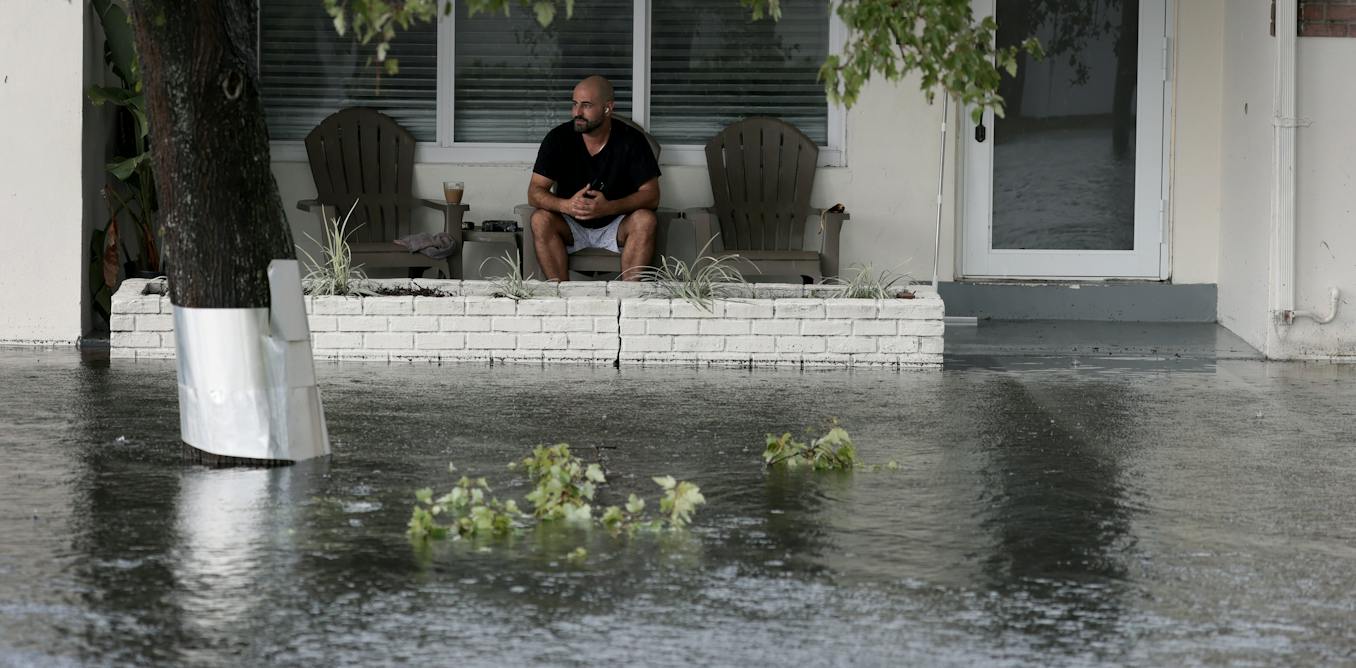
Floodwater filled the streets and crept into homes across Florida’s Atlantic coast as an intense storm dumped more than a foot of rain in 24 hours starting Nov. 17, 2026. The deluge followed extreme downpours in parts of the region less than three weeks earlier, and forecasters warned of more rain still to come. As people in Fort Lauderdale watched the water rise in their already saturated yards, it may have felt like déjà vu. In April 2023, more than 25 inches of rain fell in Fort Lauderdale in 24 hours. Even hurricanes rarely drop that much rain in one area that fast. Residents could do little to stop the flooding. Studies show that as global temperatures rise, more people will be at risk from such destructive flooding – including in areas that rarely faced extreme flooding in the past. In many of these communities, the people at greatest risk of harm from flash flooding are low-wage workers, older adults and other vulnerable residents who live in low-lying areas and who have few resources to protect their properties and themselves. I study the impact of extreme weather on vulnerable communities as an associate professor of social work. To limit the damage, communities need to know who is at risk and how they can be better prepared. More extreme downpours in a warming world The Florida storms offer a view into the risks ahead as temperatures rise. These risks are especially high as the effects of a strong 2026-27 El Niño set in. A warmer atmosphere can hold more moisture, leading to stronger downpours. The resulting deluges can be devastating. These events are expected to increase in frequency and intensity in many regions as greenhouse gas emissions from human activities continue to heat up the planet. Where extreme precipitation events are forecast to increase under a low-emissions scenario and a high one. National Climate Assessment 2018 Recent disasters show how the risk of flash flooding is expanding beyond areas traditionally considered at risk. Knowing who is most at risk To plan for extreme weather, it’s crucial for community leaders and residents to know where the risks are highest and who might not be prepared. Low-lying areas with poorly planned development, lack of investment in protective infrastructure and the lingering effects of historic disinvestment and discrimination are often at higher risk. So are low-income communities with tight budgets that can’t afford protective measures like upgraded levees or stormwater systems and can’t recover from damage quickly. When older adults live in these flood-prone areas, they are at even higher risk. Older adults have a higher likelihood of having health needs or some form of disability that could affect their ability to leave quickly during a disaster. They are also more likely to be socially isolated, which may mean they don’t hear timely information or have help to evacuate or quick access to resources for recovering. Residents walk out of a flooded neighborhood in Fort Lauderdale, Fla., with their pet on April 13, 2023. Joe Raedle/Getty Images Renters and the impact of housing insecurity My colleagues and I have examined how prepared people are for disasters of any kind across the U.S. – flooding, tornadoes, hurricanes and others – and how housing security played a role. The numbers are sobering. Overall, we found in a 2023 study that 57% of the population, among 29,070 housing units surveyed nationwide, reported they were not prepared with food, water, emergency funds and transportation in case disaster struck. We found that households facing housing insecurity – those behind on their payments for rent, mortgage or utilities – were less prepared for disasters than others, even when the occupants had similar incomes and education. For residents with low incomes and without flood insurance, cleanup costs from flooding can be overwhelming. Joe Raedle/Getty Images People who are struggling to meet day-to-day needs often don’t have the ability and resources to plan for everyday events, let alone for disasters. Our research has shown that households with children, households led by women, and low-income households were less prepared than others for disasters. Renting adds additional challenges. In the U.S., lower-income families often depend on the rental market. They tend to move more frequently, and since they don’t own the property, they often can’t make upgrades for safety. And landlords might not prioritize those risks that seem rare but carry costs. How to help communities stay safe The most effective way to address these challenges is through solutions that are tailored to the community. That can involve investing in infrastructure, including state-funded priorities such as drainage systems, large-scale flood prevention measures and strengthening the power grid, as well as ensuring that people have access to safe and affordable housing. Some communities and federal agencies have bought out properties that frequently flood and changed zoning rules to prevent more people from moving into harm’s way. People walked in flooded roads in Riviera Beach, Fla., on Election Day 2026 near a polling place that had to be relocated because of the first round of November’s severe floods. Saul Martinez/Getty Images Raising community awareness about climate change and extreme weather risks is also crucial, especially among those most at risk, such as older adults and other socially marginalized groups. If people understand the risks, know how to prepare their homes, know how to plan for emergencies, know whom to contact for help, and have stronger systems of care, they’re more likely to be prepared when disasters strike. Scientists explain why warming can lead to heavier downpours and flash flooding. I believe the most successful efforts are those that bring at-risk communities into planning discussions. For example, in Columbus, Ohio, the city partnered with the Central Ohio Area Agency on Aging, Age Friendly Innovation Center and my team to improve disaster preparedness among older residents. We worked with older adults in affordable housing communities and the human service professionals who support them to help design action plans for communities with special needs in the event of an emergency. The tool kit we created can help social service providers prepare low-income residents for extreme weather. Our team is now working with service providers nationwide to document best practices, identify gaps and ensure residents are better prepared for climate- and weather-related emergencies in the future. This article updates a story published April 27, 2023, about flood risk in South Florida.
Florida’s flooding déjà vu is a sign of things to come – so, who is most at risk and how can they prepare?
Full Article
Original Source
Read the full article at Theconversation →KhanList aggregates and links to publicly available news content. We do not host full articles from third-party sources. Always verify important information with original sources.