
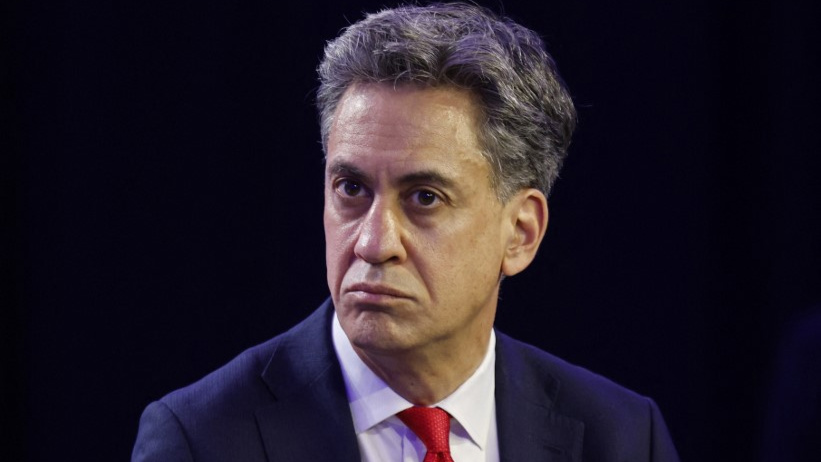
Britain will press ahead with sanctions on Israeli settlements whatever the outcome of Israel's elections, senior UK government figures have privately insisted. Even if Benjamin Netanyahu is no longer prime minister, Labour ministers intend to implement comprehensive sanctions, including against companies providing construction and real estate services for settlement expansion. Implementing the sanctions, however, will not be an easy task and the process could take up to nine months. Speaking to Middle East Eye, multiple government and Labour sources accused some civil servants of causing “blockages” and attempting to weaken the sanctions. Within the Foreign Office, MEE understands, some officials have been pushing for the sanctions to target Israeli companies complicit in the illegal settlements but not British companies that are complicit. New MEE newsletter: Jerusalem Dispatch Sign up to get the latest insights and analysis on Israel-Palestine, alongside Turkey Unpacked and other MEE newsletters Officials have also argued that companies that operate mostly within Israel itself, as well as in occupied Palestinian territory, should not be impacted by the sanctions. This would mean a weakening of the sanctions announced by Foreign Secretary Ed Miliband in September, restricting their focus to companies that operate mostly in illegal settlements. Uncertainty lingers over some of the measures that Miliband announced in September. He said the sanctions regime would include “appropriate religious exemptions”, but it has not been publicly made clear what these religious exemptions are and how extensive they will be. Exclusive: London event advertises Israeli agency building illegal settlements Read More » In August, the Charity Commission opened an investigation after Labour MP Melanie Ward said at least 32 charities registered in England and Wales had transferred more than £28m to Israeli settlements. “The Foreign Office is worried that pro-Israel groups could mount legal challenges to try and disrupt the sanctions,” one source said. “This helps explain how cautious some of the civil servants are.” The British embassy in Tel Aviv is reported to have been opposed to the sanctions in the first place. However, Miliband himself is understood to be determined that the sanctions regime should not be watered down. Could the Israeli elections change the equation? When Miliband announced the sanctions on 8 September in parliament, he insisted that “I do not want to, in any sense, interfere in that election. The election is for the Israeli people to make their own decisions about their future. “I have set out the policy of the British government, and I have made it clear that our quarrel is not with the Israeli people but with the policies of the Netanyahu government.” Relations between the UK and the Netanyahu government have deteriorated in the past two months, with Israel forcing Britain to downgrade its consulate in occupied East Jerusalem to the status of a mission in retaliation for Labour's sanctions. This week the British government confirmed it has paused cooperation with Israel under the 2030 roadmap for bilateral relations - a strategic agreement signed in 2023 under the Conservative government, and shortly after a new Israeli government under Netanyahu entered power. If implemented fully, the new sanctions would require British banks, pension funds and asset managers to divest from companies operating in settlements. They would also stop financial institutions from providing mortgages, insurance and other services that support settlement activity. Israeli elections and E1 settlement plan The Burnham government’s timing in announcing its sanctions was in part motivated by a sense of urgency because of the E1 settlement plan, MEE understands. The E1 plan involves building thousands of new housing units between Jerusalem and the existing West Bank settlement of Maale Adumim, 7km east of the city. It would effectively cut the West Bank in half, making a Palestinian state unviable. Critics of the sanctions said they were “performative”, but they appear to have had an immediate effect in Israel itself. Another East Jerusalem neighbourhood is demolished as the world fails to act Read More » After the sanctions were unveiled, Israel's attorney general ordered that the announcement of the winning bidders for E1 settlement tenders be postponed until after the elections. The Israeli elections have resulted in a deadlock between Netanyahu’s bloc and the opposition. Palestinian-led parties have offered to support an opposition-led minority government to prevent Netanyahu from returning to power. But key opposition figures have rejected the idea of governing with Arab parties. Negotiations have now begun to form a “national unity” government through a power-sharing arrangement between Netanyahu and major opposition parties. Gadi Eisenkot, head of the opposition Yashar party, has vocally opposed E1, but still supports settlements in East Jerusalem and the West Bank - all of which are illegal under international law - in general. British ministers are understood to believe that even if the next Israeli government drops the E1 plan this should not affect the sanctions, which are designed to bring Britain into line with international law. But what the sanctions will actually look like - and whether they match up to the foreign secretary’s original announcement on 8 September - remains to be seen.
Exclusive: Miliband set on sanctions regardless of Israel election outcome as officials try to weaken measures
Full Article
Original Source
Read the full article at Middleeasteye →KhanList aggregates and links to publicly available news content. We do not host full articles from third-party sources. Always verify important information with original sources.