
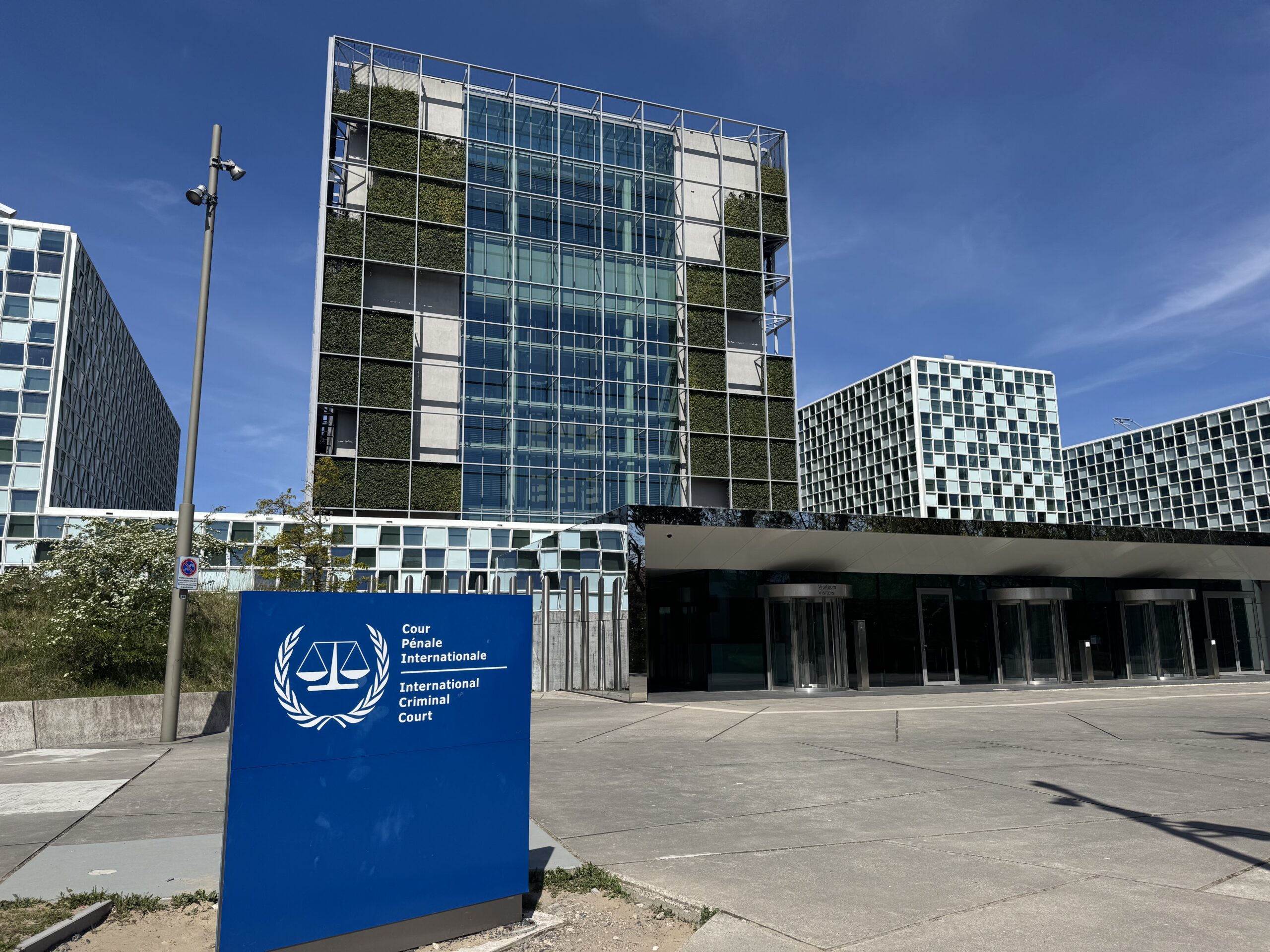
The European Parliament issued the International Criminal Court its Sakharov Prize, providing an ideological counterweight to Trump's declared war on the global tribunal.(CN) — Less than two weeks after Washington sanctioned the world’s war crimes court, Europe answered Thursday with its highest human rights honor.The European Parliament awarded the 2026 Sakharov Prize for Freedom of Thought to the International Criminal Court and its officials as American sanctions threaten the tribunal’s ability to operate.“With the award of the Sakharov Prize to the International Criminal Court and its officials, the European Parliament recognizes the court’s important work in upholding international law and justice,” Parliament President Roberta Metsola said.Parliament highlighted work stretching from investigations to trials and arrest warrants. It condemned sanctions against judges, prosecutors, staff and partners as attacks on international justice, warning that political pressure on courts threatened the international order.Tomoko Akane, president of the court, thanked the parliament and said the award affirmed the importance of independent courts at a time of unprecedented challenges. She emphasized that international cooperation and support were essential to delivering justice for victims without interference.Akane said the recognition embraced both accountability and fair trials.“In a world marked by rising conflicts, there is no peace without justice and no security without law,” she said.Named after Soviet physicist and dissident Andrei Sakharov, the prize honors those who defend human rights and fundamental freedoms. Its first recipients in 1988 were Nelson Mandela and Soviet dissident Anatoli Marchenko. Journalists, activists and organizations have since received the award, which also recognizes work defending international law.For the court, that work means prosecuting individuals for genocide, war crimes, crimes against humanity and aggression when national authorities fail to genuinely investigate or prosecute. Established through the 1998 Rome Statute and operating since 2002, it has no police force and relies on governments to arrest suspects.Its pursuit of powerful figures put the court in Washington’s sights. An Afghanistan investigation included suspected crimes by American personnel. U.S. President Donald Trump imposed sanctions on prosecutors and judges during his first term. His successor, Joe Biden, lifted them in 2021, but Trump restored them in February 2025, citing investigations involving Americans and arrest warrants for Israeli leaders.Those warrants, issued in November 2024, accused Israeli Prime Minister Benjamin Netanyahu and former Defense Minister Yoav Gallant of responsibility for starvation and other crimes in Gaza. Neither has been tried or convicted. Washington and Israel reject the court’s authority over their citizens. But nationality is only part of the equation: Palestine joined the court’s founding treaty, and ICC judges recognized their authority over crimes committed in Gaza and the West Bank, including East Jerusalem.On Oct. 9, Washington expanded sanctions to the court itself, threatening banking and services needed to pay staff and pursue cases. Treasury exemptions allowed essential operating payments through April 7, 2027, along with communications, software, pensions and detainee care. The permissions gave the tribunal breathing room while leaving the underlying restrictions in place.Washington announced the sanctions hours after former ICC Judge Navi Pillay won the Nobel Peace Prize for advancing peace and international law. Her career took her from challenging apartheid to international prosecutions and human rights investigations. The Norwegian committee recognized her work advancing accountability and defending international law under pressure.European lawmakers have pressed for protection beyond public praise. Parliament’s announcement echoed its repeated calls for the European Commission to enact legislation designed to counter foreign sanctions’ effects on European businesses and individuals. Lawmakers also welcomed continued European funding after hearing Akane and other judges describe sanctions’ toll on their work and personal lives.The court and its officials will receive the prize in Strasbourg, France, in December. For a tribunal facing U.S. sanctions, Europe’s highest human rights honor came with an appeal to help keep it working.Courthouse News reporter Eunseo Hong is based in the Netherlands.Subscribe to our free newslettersOur weekly newsletter Closing Arguments offers the latest about ongoing trials, major litigation and rulings in courthouses around the U.S. and the world, while the monthly Under the Lights dishes the legal dirt from Hollywood, sports, Big Tech and the arts.Additional Reads
Europe honors war crimes court as Washington squeezes its finances
Full Article
Original Source
Read the full article at Courthousenews →KhanList aggregates and links to publicly available news content. We do not host full articles from third-party sources. Always verify important information with original sources.