
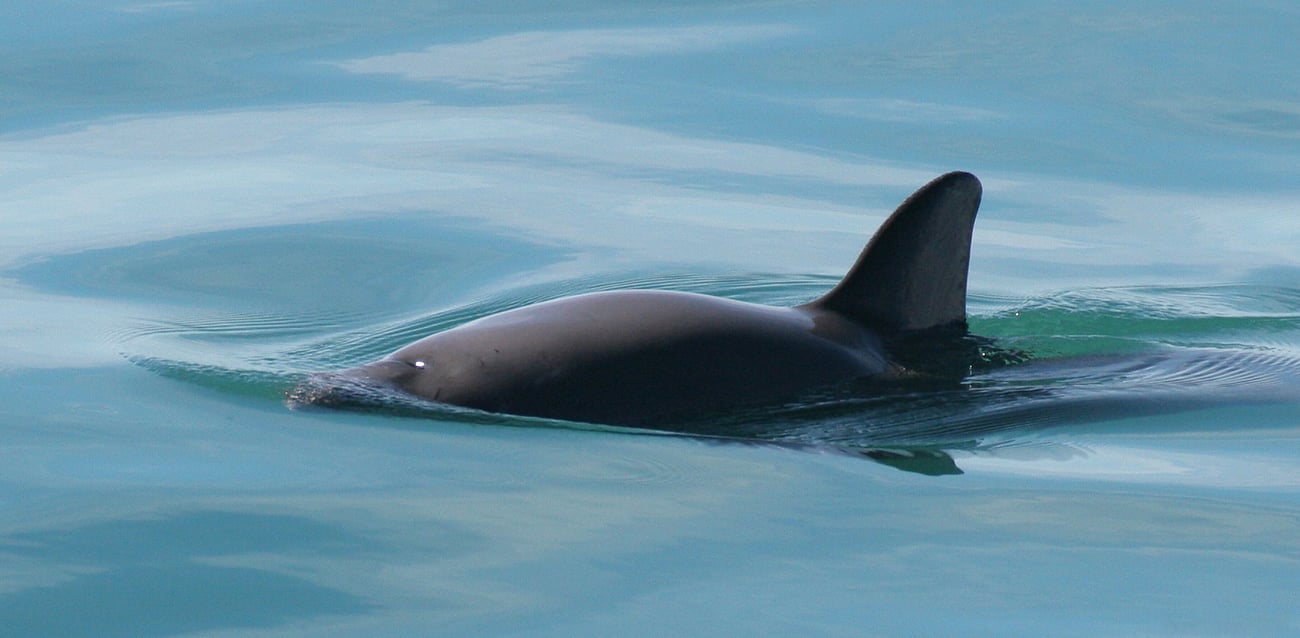
In October, Mexico decreased its regulations on gillnet fishing — putting the already-critically endangered vaquita in further peril, some say.MEXICO CITY (CN) — According to the Center for Biological Diversity, Conservation of Marine Mammals of Mexico and Greenpeace Mexico, there are only 10 vaquitas left in Baja California.And the habitat of the small critically endangered porpoise endemic to Baja California is being threatened by the Mexican government’s newest gill net fishing regulations, they accuse in a lawsuit filed Friday.On Oct. 14, Mexico amended a 2020 gillnet fishing regulation, reducing the prohibited gillnet fishing area and protected vaquita habitat by thousands of square miles, or by 86% of its previous area.“The government made a decision with potentially catastrophic consequences for the vaquita without giving the public a meaningful chance to examine the proposed boundaries and respond,” said Alex Olivera, Mexico representative at the Center for Biological Diversity in a Center for Biological Diversity press release Friday.“With only about 10 of these little porpoises left, Mexico should be enforcing rules in the vaquita’s entire habitat, not legalizing gillnets in waters that should be protected. Vaquitas don’t follow maps, and scientists have repeatedly seen them outside the zero tolerance area.”The environmental groups filed an amparo lawsuit, a lawsuit to pause the new regulations while the court hears the environmental groups’ case. The new environmental regulations went into effect Oct. 15, the day following the government’s amendment.Also on Friday, in an apparent response to the lawsuit, the Mexican government issued a vow to protect the vaquita with the help of surveillance, fisheries management and combatting illegal trafficking of species with economic alternatives for coastal communities.“The strategy links environmental conservation to social justice: protecting marine ecosystems and generating opportunities for populations that have historically depended on their natural resources. To this end, it promotes sustainable fishing and community participation in decisions on the development of the region,” the Mexican government said.Though fishermen do not fish for vaquita, the small mammals are vulnerable to being caught in gillnets used by fishermen in Baja used to catch shrimp and illegally fish for wild totoaba.Totoaba are an endangered fish also endemic to Baja California and are prized for their bladders known as “buche” in the Chinese black market, where they are worth hundreds of thousands of dollars.The environmental groups claim the Mexican government failed to commit to their environmental commitments, specifically citing the the United Nations Escazú Agreement, which Mexico signed in September 2018.The agreement “aims to guarantee the full and effective implementation in Latin America and the Caribbean of the rights of access to environmental information, public participation in the environmental decision-making process and access to justice in environmental matters.”Gillnet fishing regulations have been a point of contention for environmental groups and not just recently.In their 2017 report — one of nine lengthy reports — the International Committee for the Recovery of the Vaquita welcomed the Mexican government’s 2017 agreement that banned commercial gillnet fishing in the Upper Gulf of Baja California but deemed it insufficient, urging a permanent and effective gillnet ban.They argued the ban did not prohibit the sale or possession of gillnets on land and at sea in the area of the gillnet ban, leading to illegal gillnet fishing.In response to the committee’s findings and because the vaquita are an endangered species under the U.S. Endangered Species Act, the U.S. banned the “importation of commercial fish or products from fish which have been caught with commercial fishing technology which results in the incidental kill or incidental serious injury of ocean mammals in excess of United States standards.”Subscribe to our free newslettersOur weekly newsletter Closing Arguments offers the latest about ongoing trials, major litigation and rulings in courthouses around the U.S. and the world, while the monthly Under the Lights dishes the legal dirt from Hollywood, sports, Big Tech and the arts.Additional Reads
Environmentalists sue to protect endangered porpoise over laxed Mexico fishing rules
Full Article
Original Source
Read the full article at Courthousenews →KhanList aggregates and links to publicly available news content. We do not host full articles from third-party sources. Always verify important information with original sources.