
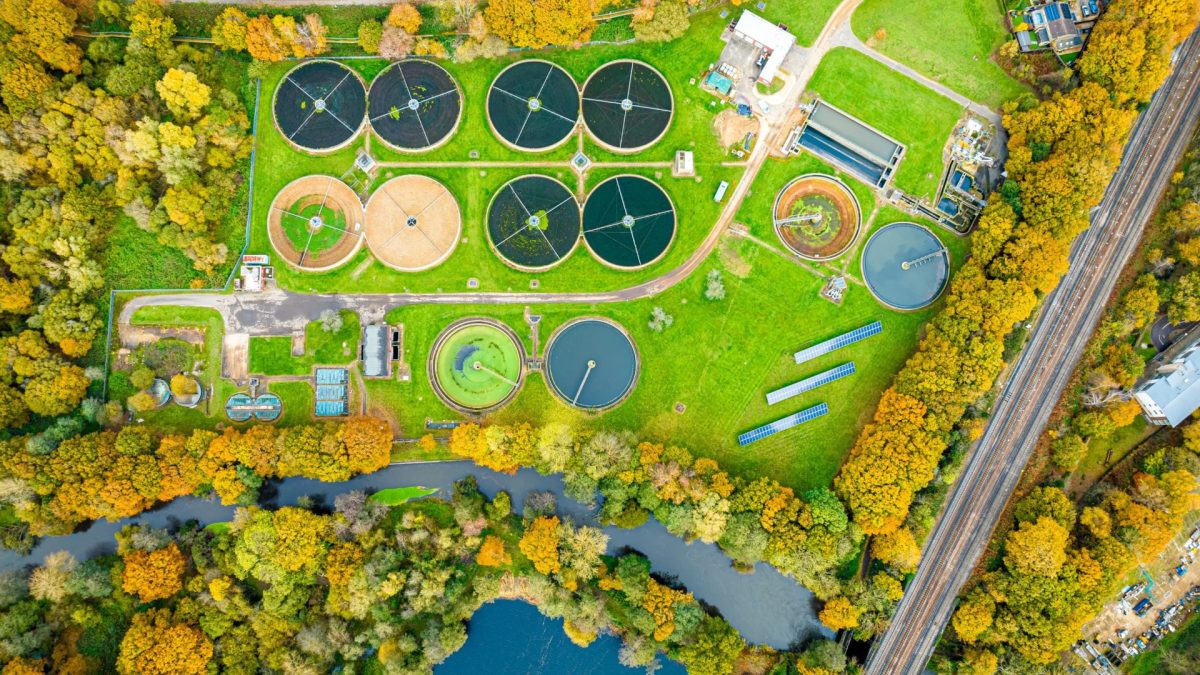
Less than 15 per cent of water bodies in England are in a good ecological state, despite a legally binding target that 75 per cent should meet this standard by next year. The latest classification of water bodies, which is published every six years by the Environment Agency (EA), has revealed the dire state of England’s rivers, lakes, estuaries and groundwater. Just 14.3 per cent are assessed as having at least a “good” ecological health, an assessment that takes into consideration the levels of pollutants in a waterway as well as the number of fish and invertebrates. Not a single river or lake is in good chemical health due to the high levels of toxic substances found in England’s waterways. Shorts The EA assessed all 4,658 surface water bodies against a range of standards set out by the European Union, under legislation that was retained by the UK following Brexit. Under the rules the UK has a legal target that 75 per cent of water bodies must have a good ecological status by 2027, but the latest classifications from the EA confirm the target is likely to be widely missed. “These dire figures highlight not only the worrying state of our rivers, but also just how far the Government is from meeting its own targets,” said Justin Neal, Head of Legal at the charity WildFish. “As things stand, the Government is woefully short of meeting its target of 75 per cent of rivers being in good health by 2027.” Rivers in poor ecological health A water body is assessed as being in good ecological health if it has clean water and supports a range of thriving wildlife. To assess this, the EA tests for a range of pollutants, including ammonia and phosphates, as well as looking at wildlife populations. If a water body performs poorly on just one of these elements it cannot be assessed as being in “good” ecological health. As a result just 14.3 per cent achieved this standard, compared to 16.3 per cent in 2019. However, the EA said it had updated its analytical methods, meaning that two datasets are not directly comparable. Permitted treated final effluent discharge flows into the River Thames at Crossness sewage treatment works (Photo by Dan Kitwood/Getty Images) Phosphate pollution was identified as one of the leading reasons why water bodies failed to achieve a good ecological status. The pollutant makes its way into rivers via sewage discharges or from agricultural runoff. When found in excess levels phosphates deprive rivers of oxygen and cause toxic algal blooms. CEO of River Action James Wallace said the latest classifications showed England’s rivers are “poisoned by sewage from polluting, profit-driven water companies and by industrial-scale agriculture”. Toxic chemicals pollute rivers Not a single river in England is classified as being in good chemical health, which is the same result as in 2019. This is driven almost entirely by a small group of chemicals, including PFOS, a type of “forever chemical” that was widely used as a stain repellant and in firefighting, and PBDEs, which were formerly used as flame retardants. Both chemicals are associated with a range of health issues in both wildlife and humans. PFOS, for example, have been linked to developmental problems, reduced fertility and some cancer risk. These substances are now banned or heavily restricted, but they break down very slowly in the environment, meaning they continue to pollute rivers. Mercury contamination is another persistent issue for England rivers, which is largely due to abandoned metal mines and other industrial processes. The i Paper’s Save Britain’s Rivers campaign has been shining a light on the awful state of Britain’s waterways and calling on the Government to do more to protect them. Ahead of the 2024 General Election The i Paper published a manifesto that demanded the Government set out a roadmap for achieving its legal target, however ministers are yet to do this. Environment Secretary Angela Eagle said: “These results underline the need for wholesale change across the water sector. “We’ve already introduced landmark legislation to hold water companies to account, secured record investment to help fix infrastructure, and are laser focused on long term reforms that will prevent future failures.”
England’s rivers and lakes are poisoned by sewage. These official numbers prove it
Full Article
Original Source
Read the full article at Inews →KhanList aggregates and links to publicly available news content. We do not host full articles from third-party sources. Always verify important information with original sources.