
Woodside Energy’s plan to drill for gas off Western Australia’s north-west coast could significantly damage “exceptional” coral reefs and it may be impossible to reduce the risk of an oil spill to an acceptable level, according to advice from the state’s independent environmental watchdog.A draft letter from WA’s Environmental Protection Authority written in 2023, seen by the Guardian, sharply criticised Woodside’s proposal to develop the Browse gasfield, saying its plans to protect endangered turtles and blue whales near Scott Reef would be ineffective.Woodside, Australia’s largest fossil fuel company, is hoping to win approval next year to develop the Browse basin, about 300km off the Kimberley coast. Scientists have warned it could damage the Scott Reef ecosystem, which is home to more than 1,500 species, many unique to the area.EPA staff presented the draft letter to the authority’s board for approval in December 2023. In February 2024, two months after it was discussed, the EPA sent a letter to Woodside saying its preliminary view was to reject development of the vast gas reserve.It was a significant setback to Woodside’s plan to drill more than 50 wells and pipe the gas 1,000km to its ageing North West Shelf gas export plant adjacent to the world heritage-listed Murujuga rock art.The company won approval last year to run the North West Shelf until 2070. But it needs the gas from the Browse basin – Australia’s largest undeveloped source of gas – to feed it. If the processing plant was to operate until 2070 it could lead to about 88m tonnes of carbon dioxide being released into the atmosphere each year after the gas was burned.Scott Reef off the coast of Western Australia is home to more than 1,500 species. It sits over the underwater Browse gas basin. Photograph: GreenpeaceThe concerns presented in the letter to the EPA board show the pressure on authorities to recommend against the gasfield development being approved. The development is being assessed by both the state and commonwealth EPAs. Ultimate decision-making power lies with environment ministers.The letter shows the EPA board was advised by its staff that there was a threat of serious or irreversible harm to turtles and whales and more generally due to oil spills. The threats were considered serious enough that the staff said the precautionary principle should be invoked. It meant the EPA should assume the worst possible outcomes could occur.In response to this near rejection of its proposal, Woodside added explosive-driven shear rams to its drilling plans, a step that could allow it to seal a leaking well in seconds. The company said this would reduce the “longest credible duration” of a “highly unlikely” well blowout, and potential oil spill, to about 12 hours.Not all companies have faith in shear ram technology. In 2024, fellow WA gas exporter Chevron rejected “pyrotechnic shearing” technology for its own wells, describing it as unproven and impossible to test in the field.A Woodside spokesperson said if the shear rams failed it would deploy a capping stack to stop the oil flow within 16 days.But the EPA was advised in 2023 that if a well leaked for 13 days it was possible there could be “irreversible consequences” to Scott Reef.Greenpeace activists protesting Woodside’s proposed Browse project on Scott Reef deploy a banner at the company’s Scarborough gas platform off the coast of Western Australia on 17 October. Photograph: Greenpeace/ReutersThe draft letter said Sandy Islet, a part of Scott Reef considered critical to the survival of endangered green turtles, would be threatened if the seabed subsided after Woodside extracted gas from beneath it. It said a proposal to top up the sand on the islet, where about 1,000 turtles breed each year, was a “high-risk” measure and its success was “likely to be limited”.Woodside said it would address this by changing its plans so that no wells would be drilled within 20km of Sandy Islet. It also said the flaring of gas, which produces bright light that can confuse turtle’s navigation, would be restricted. Sign up to get climate and environment editor Adam Morton’s Clear Air column as a free newsletter skip past newsletter promotionafter newsletter promotionThe EPA board was also told noise, traffic and vessel strikes would have a significant impact on pygmy blue whales migrating between Timor and southern Australia. Scott Reef is the only known whale feeding ground on the migration route, according to the draft letter.Woodside’s spokesperson said the company understood whales did feed at Scott Reef, but that this was opportunistic and the area was not as important as the ocean off Perth and other areas further south. Woodside agreed that Scott Reef and Sandy Islet had exceptional environmental value and it was important to protect them for future generations.Glenn Walker, Greenpeace head of nature, said Woodside’s plans to address the concerns raised by the EPA did not go far enough and relied on “fanciful and unproven technology” to prevent a catastrophic oil spill.“It would be a major backflip for both the WA EPA and the national EPA to now recommend approving this project,” he said. “It is now critical that these regulators maintain their independence from corporate and political influence and reject this destructive project.”Greenpeace last week nominated Scott Reef for national heritage listing based on its ecological and scientific values.Just two of the current nine-strong WA EPA board were in place when the watchdog told Woodside it was set to reject Browse.One of those – the current chair, Darren Walsh – said in a statement the assessment had been lengthy because it was a complex project in a sensitive area. He said a final state report and recommendations on the proposal would be provided to the WA environment minister, Matthew Swinbourn, when it was complete. There would then be a three-week public appeal period before a decision was made.A spokesperson for the national EPA said the development was being assessed under the national Environment Protection and Biodiversity Conservation Act, and the “decision clock” had been paused while the agency waited on “further technical advice”.Issues that have to be considered under national law include the potential impact on pygmy blue whales, green turtles, the marine environment in commonwealth waters and Murujuga rock art near the gas processing facility.
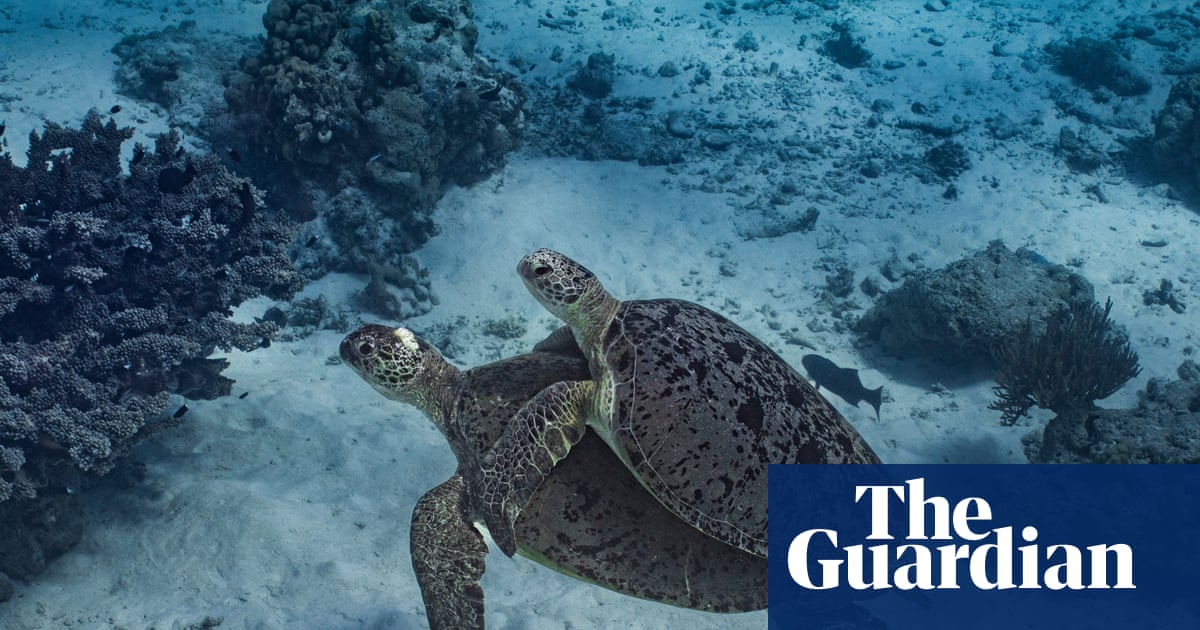
Endangered turtles and ‘exceptional’ coral at risk from Woodside’s gas drilling in WA, watchdog says
Full Article
Original Source
Read the full article at Theguardian →KhanList aggregates and links to publicly available news content. We do not host full articles from third-party sources. Always verify important information with original sources.