
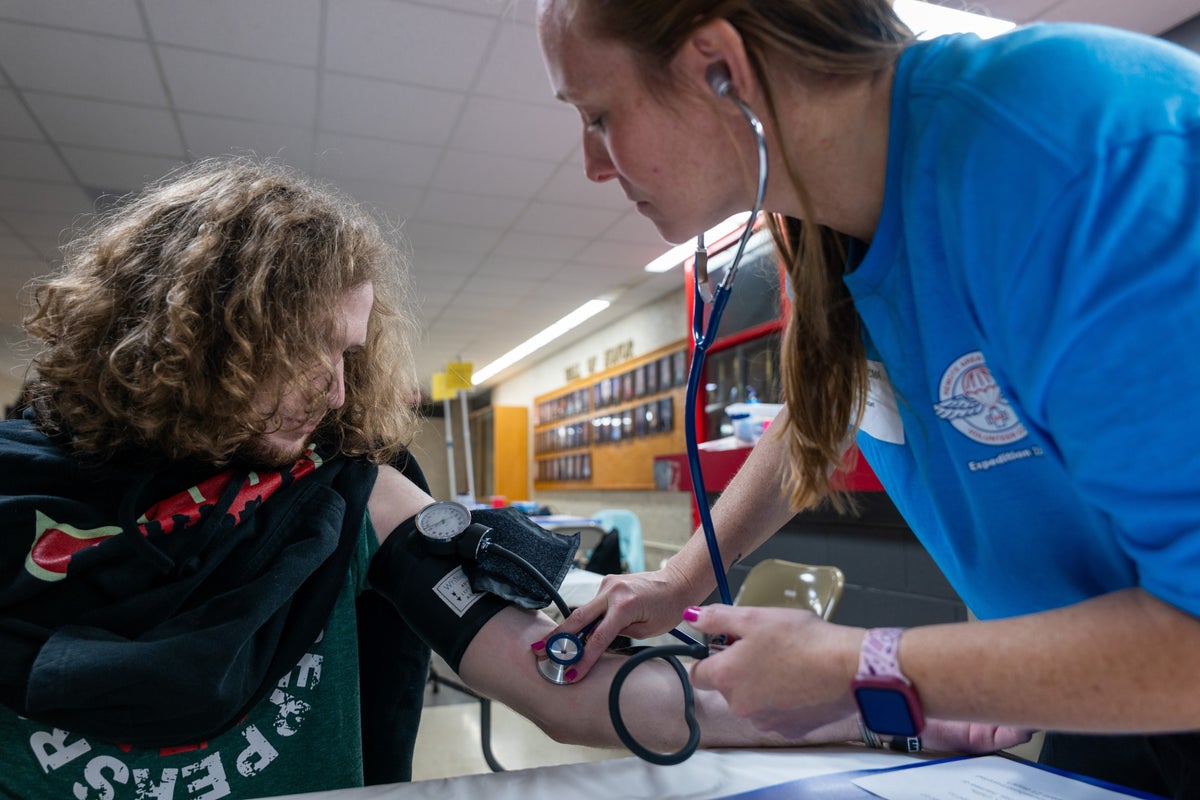
Early warning signs could help doctors predict heart attacks and strokes up to 30 years before they happen, a new study of 100,000 patients has found.High blood pressure, changes in levels of a protein called NT-proBNP, diabetes, a higher body mass index and peoples’ age and gender all signal risk, according to medical researchers at the University of Edinburgh.The findings indicate there are many windows of opportunity to reduce risk, the researchers suggest. “For the vast majority of people, heart attacks and strokes are completely preventable. But many of us don’t realize we are at risk until it’s too late,” Professor Bryan Williams, chief scientific and medical officer at the British Heart Foundation, explained in a release.“Knowledge like this could empower people to make lifestyle changes or start treatment while they are still relatively young, which might reduce their risk, prevent a heart attack or stroke and rewrite their future.”A few new key warning signs could indicate increased risk for a heart attack or stroke, medical researchers in Scotland say (Getty Images)Persistent patternsThe research included data collected over the course of 34 years, between 1985-2019, on patients in the U.S., U.K. and Norway.Analyzing the data showed blood pressure in the arteries was consistently higher in people who developed cardiovascular disease, a common cause of heart attacks and strokes. Changes in the levels of NT-proBNP - which is found in the heart and used to monitor heart failure - were also seen up to 10 years before a heart attack or stroke.People who experienced a separate cardiovascular event at a younger age were more likely to have diabetes and a higher body mass index in the decades before a heart attack or stroke, the analysis revealed.Whether women had higher risk depended on their age, as well.“Younger women had lower blood pressure than younger men, but this switched around the age of 65, when female readings tended to be higher than males,” the university pointed out.Regular aerobic exercise and eating a healthy and balanced diet are simple ways to reduce risk for heart attacks and strokes now. But exercise doesn’t have to be sprinting; a half an hour of walking a day will do (Getty Images)Fighting fit More research is needed to determine if there were changes to risk linked to ethnicity and to apply this knowledge in clinical settings.But the study “could lead to a simple blood pressure reading, or proteins in the blood, being used to forewarn people of their future cardiovascular risk,” Williams said.Until then, there are several easy steps people can take to limit their risk for heart attacks and strokes. Fighting high cholesterol, high blood pressure and obesity by eating a heart-healthy diet is one of the best ways. The Mediterranean Diet, which focuses on lean sources of plant and fish protein in addition to nutritious fruit and vegetables, is one of the plans supported by most doctors.Staying active is also crucial, with the Centers for Disease Control and Prevention recommending people do 150 minutes of aerobic exercise and two strength training sessions a week for optimal health. That can be as simple as going for a walk for 30 minutes a day.Though the number of strokes and heart attacks has fallen in recent decades due to advances in preventive care, strokes remain a leading cause of death in the U.S. and someone has a heart attack every 40 seconds, according to the CDC.Nearly 20 million U.S. adults are projected to be living with stroke by 2050, the American Heart Association said Monday.
Early warning signs could help predict stroke and heart attack risk up to 30 years in advance
Full Article
Original Source
Read the full article at Independent →KhanList aggregates and links to publicly available news content. We do not host full articles from third-party sources. Always verify important information with original sources.