
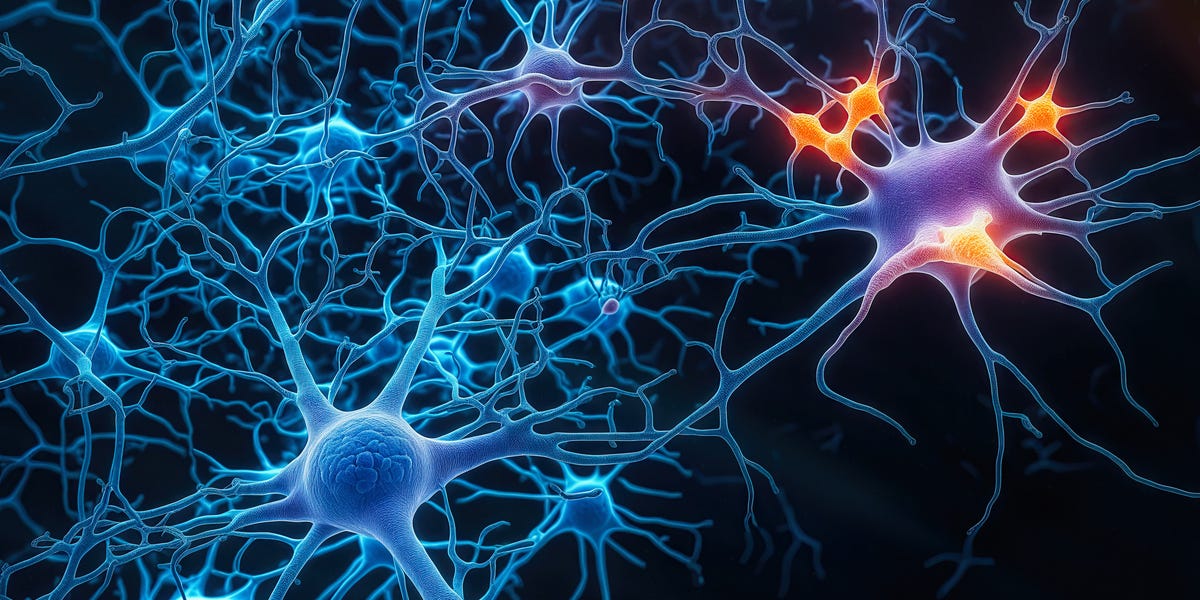
2 min readThe brain is a wondrous organ that’s so complex it’s often referred to as a computer, complete with electrical wiring in the forms of neurons, synapses, and axons. However, unlike computers, there’s no easy way to deftly repair faulty wiring, especially down at the cellular level. For decades, the best tools at a physician's disposal for tackling serious neurological diseases were medications or, in more dire scenarios, external therapies such as deep brain stimulation.Those treatments can bring real relief, but they don’t fix the underlying problem. But if the brain really runs on electrical connections, shouldn’t it be possible to route signals around damaged areas by rewiring specific neurons? A team of U.S. researchers led by Kafui Dzirasa of Duke University School of Medicine thinks so. In May, they described a new technology called “LinCx” in the journal Nature. It uses engineered versions of proteins found in fish that naturally form electrical synapses, and it can link two specifically chosen neurons.“For decades, neuroscience has lacked tools that can precisely control communication between specific cell types,” Dzirasa, the senior author of the study, said in a press statement. “By introducing a way to plug in new electrical connections with cellular‑level precision, our study marks a major step forward in the ability to edit brain circuitry and understand how neural networks give rise to behavior.”The system relies on structures called “gap junctions.” Each one is made of two hemichannels, and each hemichannel is built from six proteins called connexins. Through these gap junctions, cells exchange chemical and electrical signals, but they usually form unpredictably across cells. The innovation of the LinCx system is that it uses modified proteins that dock with one another while ignoring native brain proteins.“The goal sounded almost simple: Make two proteins connect only to each other,” Carnegie Mellon’s Elizabeth Ransey, former Duke University postdoctoral researcher and lead author, said in a separate press statement. “We can specify both sides of the connection. That gives us much more precision than approaches that activate one population and indirectly affect everything downstream.”The team tested the system in simple structures, such as human-derived cells and frog oocytes, and eventually moved on to more complex ones. Previous studies have rewired the neural circuits of Caenorhabditis elegans, a species of nematode commonly used in neurobiology. However, using the technology on mammals, specifically laboratory mice, was a first. In both worms and mice, the scientists noted changing behavior after performing this “neural bypass.” C. elegans, for example, modified its temperature-seeking behavior, and mice altered targeted responses to social interaction and stress.By focusing on bypassing damaged areas rather than repairing them, physicians could provide improved brain function in those experiencing depression, autism, and many types of neurodegenerative disease.Darren lives in Portland, has a cat, and writes/edits about sci-fi and how our world works. You can find his previous stuff at Gizmodo and Paste if you look hard enough.
Scientists Figured Out How to Rewire Your Brain—Literally
Full Article
Original Source
Read the full article at Popularmechanics →KhanList aggregates and links to publicly available news content. We do not host full articles from third-party sources. Always verify important information with original sources.