
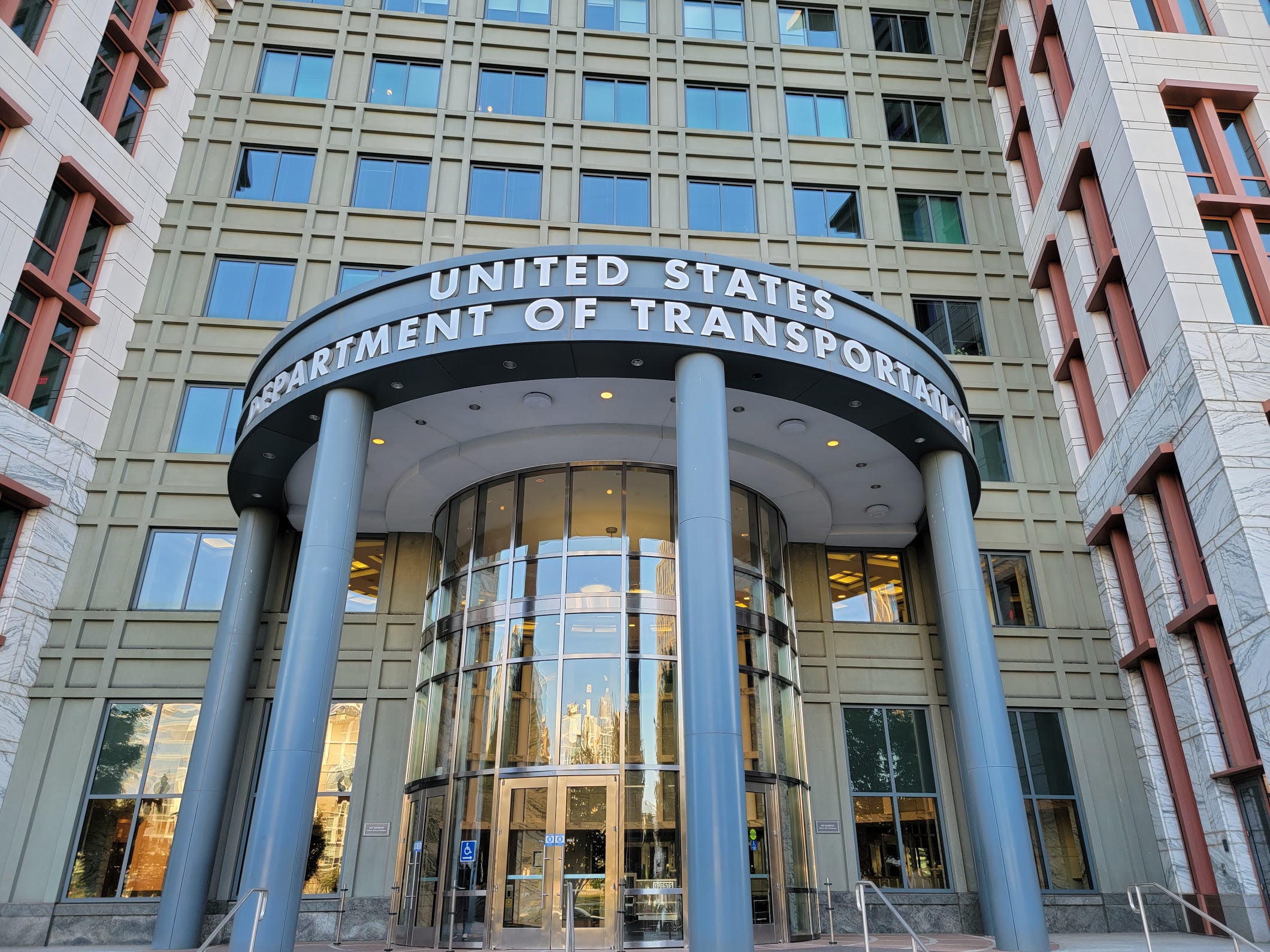
Senator Ron Wyden (D-OR) and Rep. Shontel Brown (D-OH) want the Government Accountability Office to investigate why the Department of Transportation has never brought a public enforcement action over airline passenger privacy, even as an airline-owned clearinghouse sold federal agencies access to hundreds of millions of travel records. According to a Congressional Research Service review cited by the lawmakers, DOT has gone more than 40 years without a single public airline privacy case. Wyden and Brown call that “systemic abdication” and “regulatory neglect.” Congress carved airlines out of Federal Trade Commission oversight and gave Transportation authority to police unfair and deceptive practices by airlines in the Airline Deregulation Act. State privacy and consumer protection claims against airlines are frequently preempted by this law as regulation of airline prices and service. So we’re left with DOT, and when they don’t act no one else can. And DOT’s complaint-driven system makes little sense for privacy violations that passengers never know occurred. Transportation Collected 2,095 Pages And Published Nothing The Department launched its first-ever industry-wide airline privacy review in March 2024 under the Biden Administration, covering Allegiant, Alaska, American, Delta, Frontier, Hawaiian, JetBlue, Southwest, Spirit and United. Airlines were asked about: How they collect, retain, use and monetize passenger information Targeted advertising and sharing with third parties Protection against data breaches Complaints involving employees or contractors mishandling information Employee privacy training Then-Secretary Pete Buttigieg said this would be the beginning of periodic reviews, with investigations, enforcement, guidance or new regulations where warranted. At the time I wrote that I was skeptical Transportation would go after airlines for making customer information available to government agencies. No findings were released and no enforcement case followed. Bloomberg Law sought the review’s records through the Freedom of Information Act. In December 2024, Transportation withheld 2,095 pages in their entirety, citing confidential commercial information and an ongoing privacy review. The Department specifically said releasing the documents could reveal evidence and its analysis in a “prospective law enforcement action.” There was no action There was no evidence the review finished And no indication what happened to the review after the administration changed. Airline-Owned Clearinghouse Sold Searchable Travel Records The Airlines Reporting Corporation is owned by major carriers including American, Delta, United, Southwest, JetBlue and Alaska, along with several foreign airlines. It clears ticket sales between travel agencies and more than 200 carriers. That role gives it an enormous database of tickets issued through online agencies, corporate booking systems, traditional travel agencies and many credit card travel portals. ARC’s Travel Intelligence Program allowed government agencies to search ticket transactions by passenger name, itinerary and payment identifiers. It covered 39 months of travel and could notify an agency when someone matching specified criteria bought a new ticket. They advertised more than one billion (and in some cases ‘billions’ of) searchable records of agency-purchased tickets which were made available to the Federal Bureau of Investigation, Internal Revenue Service, Securities and Exchange Commission and components of Homeland Security without agencies first going to a court or serving an airline with legal process for a particular passenger. I’ve covered the program’s operation and the lawsuit challenging the sale of travel and payment information. ARC finally shut down the program in November 2025 after media exposure and congressional pressure from both parties. Wyden and Brown want to know whether Transportation independently investigated ARC, the airlines that owned it and the representations made to passengers. Government Agents Paid Airline Employees For Passenger Data The Drug Enforcement Administration also recruited airline employees who could search proprietary reservation systems. A 2016 Justice Department inspector general audit identified at least 19 employees paid approximately $1.6 million over five years. One received more than $600,000 in fewer than four years. Agents sometimes requested passenger information or entire manifests almost daily. In 2024, investigators found an airline employee flagging passengers who bought tickets within 48 hours of departure. The employee received a percentage of cash later seized from those passengers. In one case, agents stopped a passenger boarding a flight. He refused a search, agents detained his bag, and he missed his flight. They found no drugs or cash. The Justice Department later halted most of these airport “consensual encounters.” DOT said in December 2024 that its review remained open and that prospective enforcement was possible. Either it found violations, found none or never completed the work. More than two years after announcing the first airline privacy review it has ever done, and it won’t say which it is. Topics on this page
DOT Hasn’t Brought An Airline Privacy Case In 40 Years—Lawmakers Demand Probe After Your Reservations Were Sold
Full Article
Original Source
Read the full article at Viewfromthewing →KhanList aggregates and links to publicly available news content. We do not host full articles from third-party sources. Always verify important information with original sources.