
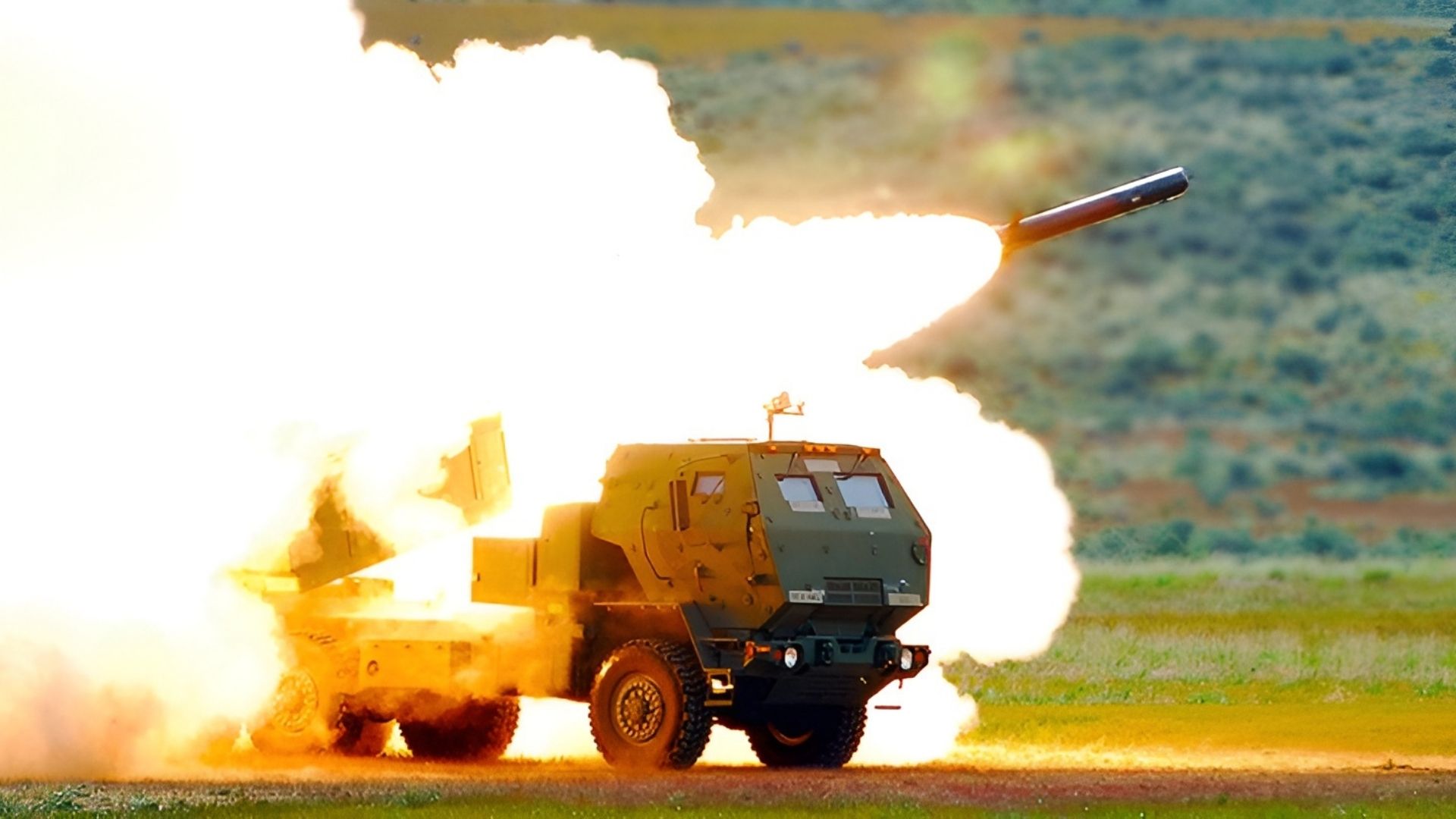
Lockheed Martin has put its new Joint Reduced Range Rocket (JR3) through a second flight test as it works toward a cheaper way to train U.S. Army rocket crews. The company fired multiple JR3 rounds from a HIMARS at Yuma Proving Ground in Arizona. Engineers used the test to assess how the rockets performed across range, trajectory and accuracy. The flight also tested the rounds’ marking payloads. Those payloads give crews a visible way to assess where training rockets land during live-fire exercises. More rockets per exercise JR3 addresses a practical problem for units operating HIMARS and M270 launchers. Crews need frequent live-fire practice, but training with combat-standard ammunition can quickly become expensive. Lockheed Martin designed JR3 around a 24-round launch pod. The larger load gives crews more shots during an exercise before they need to reload. That matters for units training under different conditions. Crews can practice firing procedures repeatedly while working within range restrictions that limit where live rockets can fly. The rocket itself uses mature motor technology. Engineers paired that motor with an adaptable payload to keep the training round relatively simple and affordable. Dave Griser, vice president of Lockheed Martin Precision Fires Rockets, said the design targets both cost and training volume. “Our new training round offers a scalable, very affordable solution,” Griser said. He added that the 24-round pod addresses the Army’s demand for greater training volume without giving up performance. The company has also designed the pod for reuse. Crews can reload its launch tubes after firing, allowing the same hardware to support multiple training events. Reuse drives the design That reusable architecture could be just as important as the rocket’s lower unit cost. Training units would not need to replace the complete launch pod after every firing cycle. The approach also keeps JR3 compatible with launchers already used by Army units. HIMARS and M270 crews could train with the new round without moving to a separate launch platform. Lockheed Martin has now completed two JR3 flight tests. The first established the system in flight, while the latest evaluation added further data from multiple rounds launched through HIMARS. Another flight test is planned later this year. Engineers will use that event to continue evaluating the rocket as development progresses. The company also sees a possible path for JR3 technology beyond training. Its architecture could contribute to future efforts involving inexpensive rockets produced in much larger quantities. One example is the Army’s Direct Support Fires Technology initiative. The program focuses on mass-produced, low-cost rockets for direct-fire missions. That does not change JR3’s immediate purpose. The rocket remains a training system, but its design reflects the Army’s growing interest in getting more usable rounds from limited training budgets. If the upcoming tests continue to validate the design, the 24-round reusable pod could become one of JR3’s biggest advantages. It gives crews more trigger time while reducing the hardware they consume during each exercise. Get the latest in engineering, tech, space & science - delivered daily to your inbox.Aamir is a seasoned tech journalist with experience at Exhibit Magazine, Republic World, and PR Newswire. With a deep love for all things tech and science, he has spent years decoding the latest innovations and exploring how they shape industries, lifestyles, and the future of humanity.
JR3 reduced-range rocket completes second flight test with cheap reusable 24-round pod
Full Article
Original Source
Read the full article at Interestingengineering →KhanList aggregates and links to publicly available news content. We do not host full articles from third-party sources. Always verify important information with original sources.