
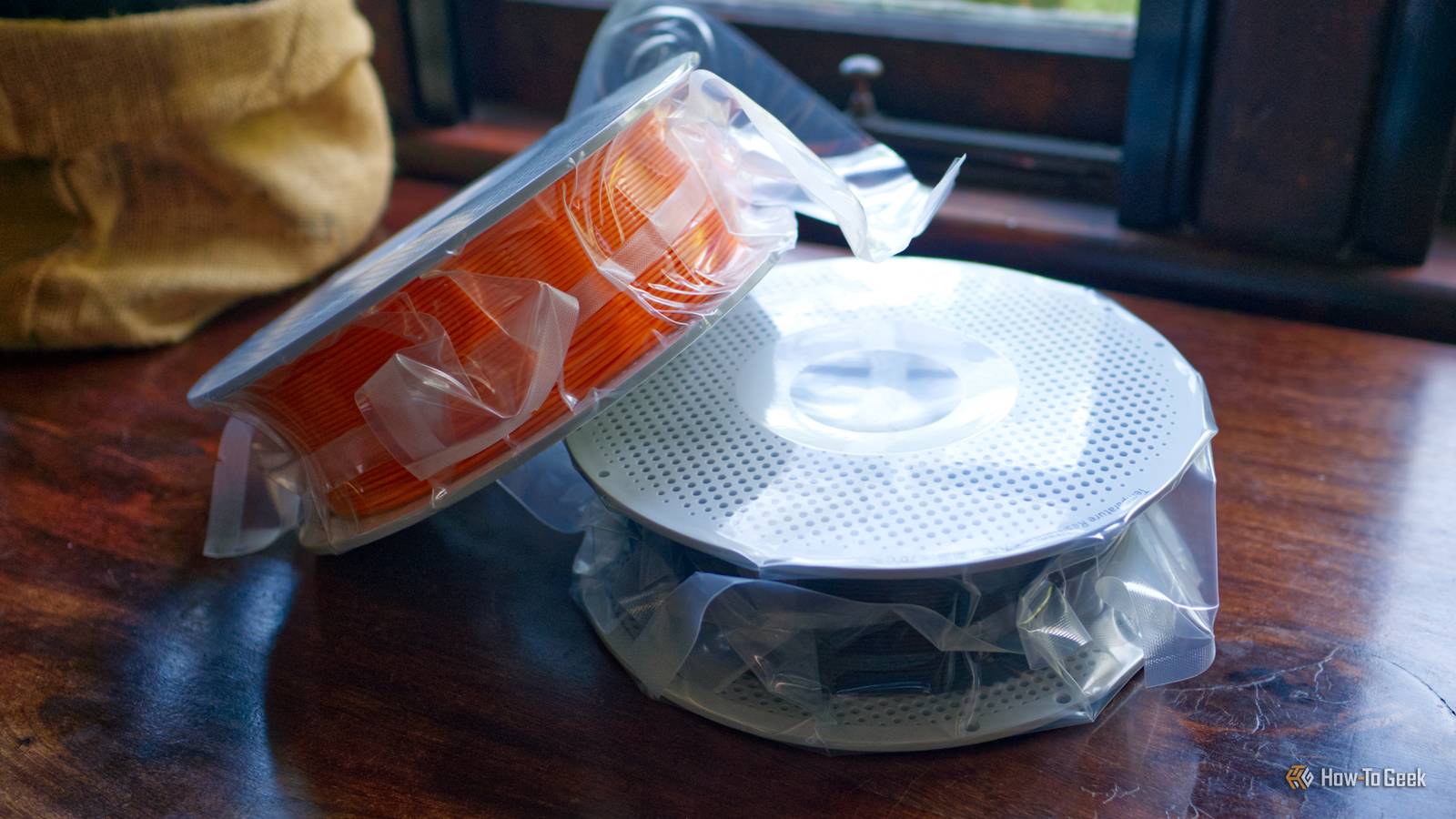
Published Aug 16, 2026, 7:00 AM EDT Tim has been covering technology for almost 20 years, in that time spanning a broad range of topics from security to product reviews. He is especially focused on the Apple ecosystem, productivity, and consumer advice. Over the years Tim has written thousands of articles, reviews, and round-ups in addition to producing video content and original photography. A graduate of journalism, he found his footing as a freelancer with a laptop and loves how he is able to work from practically anywhere. Now a Senior Editor for iPhone, Mac, and Smart Home at How-To Geek, Tim still loves to write. He can also be found crafting round-ups and productivity posts for the Zapier blog. Earlier in his career Tim spent nearly a decade as a writer and eventually Apple section editor for MakeUseOf. Tim currently lives in Brisbane, Australia. Outside of work he loves to hike and work out, play video games, and spend quality time with his wonderful partner and two cats Inka and Roger. 3D printer filament is hygroscopic, which means it’ll suck moisture out of the air. So-called “wet” filament can cause all manner of problems with your prints, including stringing, adhesion problems, and total failures. In addition to drying your filament, proper storage can prevent it from absorbing moisture when you’re not using it. Dry filament before storing Get the moisture out and keep it out For best results, dry your filament before you store it so that it’s ready to go when you decide to print with it. Not only will this speed up your printing process, but it will also better preserve your filament. There’s plenty of tales out there that we can be fairly confident in saying that storing filament in a “wet” state can cause issues in the long run. Moisture makes filament brittle over time, and no amount of drying can help since the damage is permanent. You can use a filament dryer like the Bambu Lab AMS 2 or AMS HT, dedicated dryers from filament brands like SUNLU, or “cook” your filament on a heated print bed with a cover as per the manufacturer's instructions. Something like 60ºC for 12 hours, flipping in the middle, should do the job for PLA. SUNLU S1 Plus filament dryer The SUNLU S1 Plus can dry filament while printing to improve 3Ds model, reducing the impact of a humid environment on the printing of 3d filaments. Adjust the temperature of the filament dry box according to different filament requirements, ambient temperature, humidity and other factors. The adjustable temperature range of 35℃-55℃ is suitable for more than 20 kinds of filament. Vacuum seal filament to guarantee freshness Seal up your filament as you need it Credit: Tim Brookes / How-To Geek You might already have a vacuum sealer for saving kitchen leftovers or for using techniques like sous vide. The same sealer can likely be used to seal up your filament for longer-term storage. A smarter option is to invest in reusable vacuum seal bags, with some 3D printing brands like eSUN selling filament vacuum storage bags complete with a pump for exactly this reason. These are big enough for a spool of filament, which might be a problem with some vacuum sealing devices. Throw a few bags of desiccant in there before you pump the air out to absorb any additional moisture. Vacuum bags can be combined with the rest of the storage solutions on this list for even better protection. Plastic cereal boxes offer an airtight seal Space constraints are the main concern Credit: Amazon Vacuum sealing bags are arguably the most cost-effective choice for filament storage, but they’re not the only option. Cereal boxes are also good for this purpose, with one particular container set on Amazon being particularly popular (just check out the product reviews). At $30 for six, this isn’t a bad deal at all. The most important thing is to make sure that the box seals properly with a rubber gasket. If you’re shopping for suitable containers in a homewares store or supermarket, take a spool with you to make sure of the fit before you buy, as not all boxes are made equal. You’re going to need silica gel, too. There’s plenty of room in these boxes for a hygrometer so that you can check the humidity within the box at a glance. Storage can be a bit of an issue given the added dimensions of a box like this, but a few shelves or an IKEA Billy cabinet can help. Large waterproof storage boxes with gaskets Bigger than cereal boxes, but roomier too Credit: Home Depot If you’re short on space and can’t dedicate one box per spool, it might make sense to get the biggest container you can manage and use that instead. Then stick to your guns and don’t buy too much filament at once. Bulk sales might be the best way to save money on filament, but you can only use so much at once. These sorts of large storage boxes are available in hardware stores, but you’ll want to avoid the cheapest and go for those that promise a weather-tight seal. Home Depot’s 18L IP67-rated totes are a popular choice that fit five spools for just under $17 each. You want to see a rubber gasket or similar, so that humid air can’t make its way inside the box after you’ve closed it. You will also need to make sure that the box has plenty of silica gel in it, and a hygrometer so you can check the relative humidity. The biggest downside with this approach is that you risk compromising the low humidity environment every time you open the box to store or retrieve a filament. Recharge or replace desiccant regularly Color-changing silica gel works great Credit: Patrick Campanale / How-To Geek Desiccant can only store so much moisture before it needs to be replaced or recharged. While you can keep buying new packs of desiccant, rechargeable packs offer better value in the long term. The difference between disposables and rechargeables is usually the material that the pack is made from. There isn’t a single guide for doing this that I could find. Instead, I just stick them in the oven at a low temperature of around 200ºF (100ºC) for about two hours. You can weigh your desiccant before you start and after you finish to see how much water weight has been lost. Color-changing gel is particularly good since you’ll know when to recharge it and how long in the oven is good enough. Moisture isn’t the only thing that can cause printing issues; there are lots of other problems you should know how to diagnose for best results.
Don’t let your 3D printer filament absorb moisture, use these 5 storage tricks instead
Full Article
Original Source
Read the full article at Howtogeek →KhanList aggregates and links to publicly available news content. We do not host full articles from third-party sources. Always verify important information with original sources.