
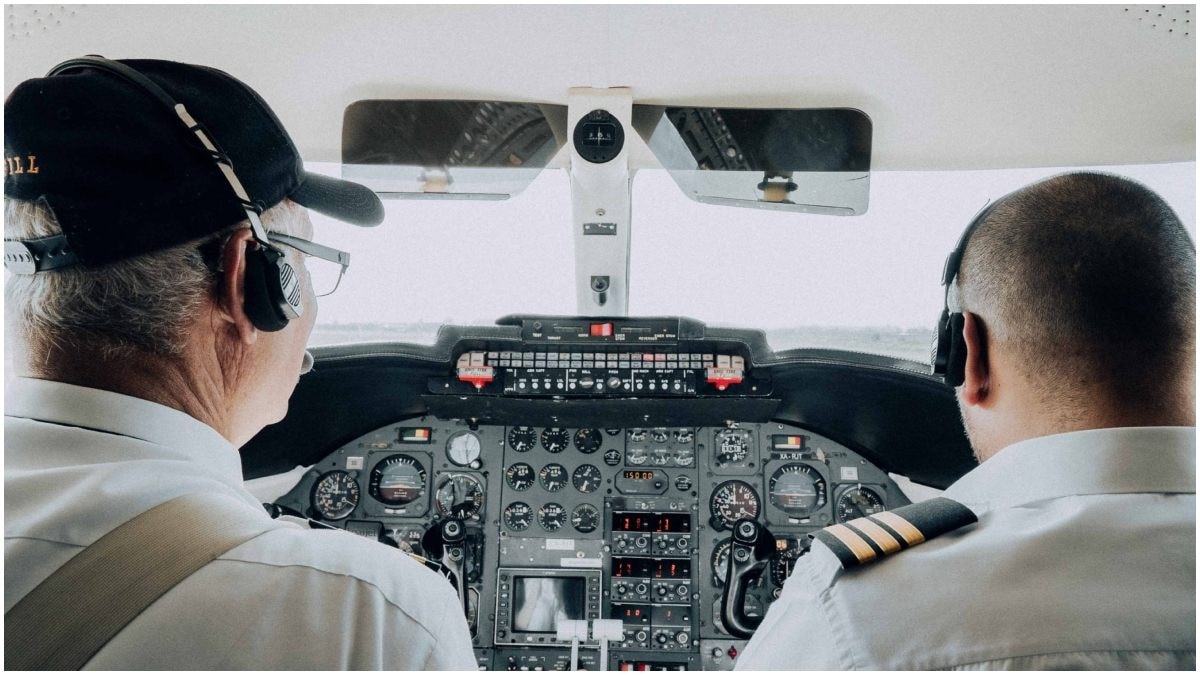
A new JAMA Internal Medicine study has renewed focus on cancer deaths among pilots and flight attendants. It points to a possible occupational risk from long-term exposure while stopping short of proving direct causation.Pilots, cabin crew cancer risk: study links aircrew deaths to radiation exposure. (Photo: Pexels)For most people, flying is an occasional part of life. A few hours in an aircraft may expose a passenger to slightly higher levels of cosmic radiation than they would experience on the ground. Still, the overall exposure from individual flights remains low.For pilots and cabin crew, however, the situation is different. They can spend thousands of hours inside aircraft over the course of their careers. Commercial planes often fly above 30,000 feet, where the atmosphere is thinner and provides less protection from radiation coming from space.A new study published in JAMA Internal Medicine on August 17 has brought renewed attention to this occupational exposure. The study looked at cancer mortality across more than 500 occupations and found that pilots and flight attendants had among the highest proportions of deaths from cancers associated with radiation.The findings showed that radiation-related cancers accounted for 6.9 per cent of deaths among flight attendants and 6.7 per cent among pilots. Across workers overall, the proportion was about 5 per cent. However, these numbers need to be interpreted carefully. The study shows an association between the occupation and radiation-related cancer deaths. It does not establish that exposure to cosmic radiation was the direct cause of those cancers.Other factors linked to working in aviation may also influence health. These include irregular working hours, night shifts, frequent changes in time zones and disruption of the body's natural sleep and circadian rhythm.WHY DO PILOTS AND CABIN CREW GET MORE RADIATION? The atmosphere acts as a natural shield against cosmic radiation that comes from space. At cruising altitude, aircraft are much higher above the ground and pass through a thinner layer of the atmosphere.As a result, pilots and cabin crew receive more ionising radiation during their working hours than people who remain on the ground.The amount of exposure is not the same on every flight. It can vary depending on the aircraft's altitude, the length of the flight, the latitude of the route and solar activity.Long-distance flights and routes operating at higher latitudes can result in greater exposure. Flights closer to polar regions can be of particular interest because of differences in cosmic radiation levels.For an individual flight, the amount of radiation remains relatively small. The concern for aircrew comes from repeated exposure over many years.HOW CAN RADIATION AFFECT THE BODY?Ionising radiation has enough energy to damage cells and DNA. The body can repair much of this damage, but repeated exposure can increase the possibility of changes in cells.Some of these changes may contribute to the development of cancer.This does not mean that every person who works on an aircraft will develop cancer because of radiation. Cancer is a complex disease and can result from several factors, including genetics, age, lifestyle and environmental and occupational exposures.The new study therefore needs to be viewed as evidence of a possible association rather than proof of a direct cause.WHICH CANCERS ARE BEING DISCUSSED?The cancers relevant to the study include several types that can be associated with radiation exposure.These include leukaemia, lymphoma, multiple myeloma, melanoma and other skin cancers. Breast cancer, thyroid cancer and some cancers affecting the central nervous system are also among the conditions that have been studied in relation to radiation exposure.Previous research has also reported higher rates of melanoma among pilots and cabin crew. However, researchers have pointed out that radiation may not be the only explanation.Sun exposure, lifestyle factors and other occupational conditions could also contribute to cancer risk.WHY SLEEP AND CIRCADIAN RHYTHMS MATTERRadiation is not the only occupational health issue faced by aircrew.Pilots and cabin crew frequently work at night, change schedules and cross several time zones. Long working hours and repeated disruption of the body's internal clock can affect sleep and circadian rhythms.Researchers have studied whether long-term disruption of circadian rhythms could contribute to certain health problems, including cancer.This makes it difficult to identify one single factor responsible for the higher cancer mortality observed in some studies of aircrew.SHOULD PASSENGERS BE WORRIED?For ordinary passengers, the risk is very different from that faced by professional aircrew.A person who takes a few flights each year receives much less cumulative radiation than someone who spends decades working onboard aircraft.Even frequent travellers generally have substantially lower lifetime exposure than pilots and cabin crew who fly regularly as part of their jobs.The new findings therefore should not be interpreted as meaning that ordinary air travel is a major cancer risk for passengers.The amount of radiation received during a flight depends on factors such as flight duration, altitude, latitude and solar activity. For most travellers, the exposure from individual flights remains relatively low.WHAT CAN AIRLINES AND AIRCREW DO?The findings highlight the importance of understanding and monitoring occupational radiation exposure among people who work in aviation.Airlines and regulators can consider estimating cumulative exposure, particularly for crew members who regularly operate long-haul, high-latitude or polar routes.Monitoring can help identify workers who accumulate higher levels of exposure over their careers.Operational measures, where practical, could also be considered to reduce unnecessary cumulative exposure. These may include careful route planning and better assessment of radiation exposure on particular routes.Regular medical checkups are also important. Aircrew should follow age-appropriate and risk-appropriate cancer screening recommendations and discuss any relevant occupational concerns with their doctors.WHAT THE STUDY REALLY TELLS USThe study does not establish that cosmic radiation is directly responsible for cancer among pilots and cabin crew.What it does is highlight occupational exposure that deserves continued research and monitoring, particularly because aircrew can accumulate exposure over many years.The findings also show why cancer risk among aircrew should be looked at from a broader perspective. Radiation, disrupted sleep, circadian rhythm changes and other occupational factors may all have a role.For passengers, occasional or even relatively frequent flying should not be a reason for undue concern. For professional aircrew, however, long-term exposure deserves attention as part of workplace health and safety.As commercial aviation continues to grow and more people build careers in the industry, better monitoring, clearer communication and continued research can help determine how occupational exposure affects the long-term health of those who spend much of their working lives at 30,000 feet.- EndsPublished By: Smarica PantPublished On: Aug 20, 2026 16:37 IST
Do pilots and cabin crew face a higher cancer risk because of flying?
Full Article
Original Source
Read the full article at Indiatoday →KhanList aggregates and links to publicly available news content. We do not host full articles from third-party sources. Always verify important information with original sources.