
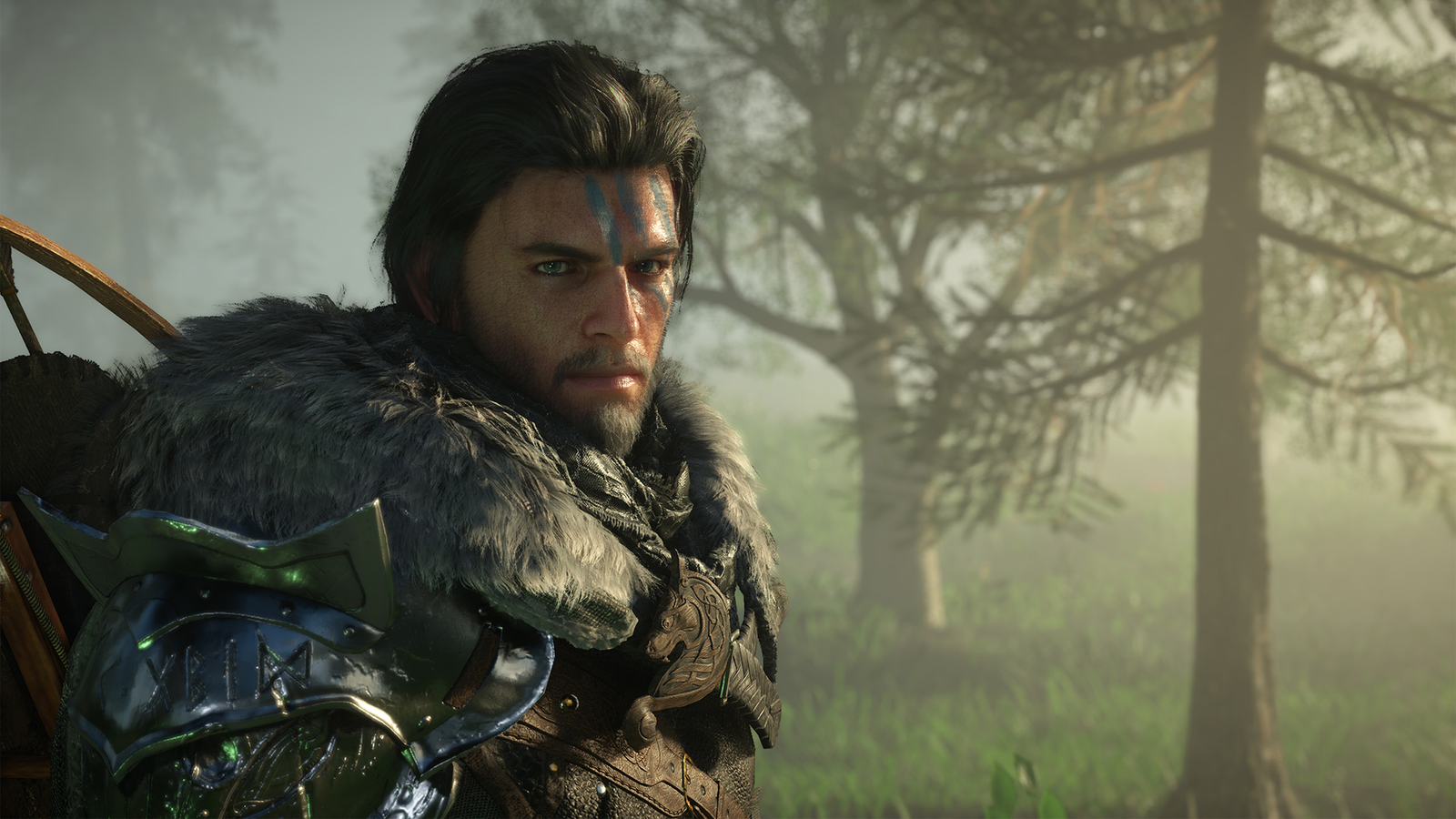
Crimson Desert Got Low Review Scores Because Critics Didn't Play Launch Version, Claims CEO Published Oct 9, 2026, 11:54 AM EDT James Lucas is an Executive Editor at TheGamer who has worked in professional journalism since 2018. A Newcastle University graduate with a degree in Journalism, Media, and Culture, they have written hundreds of guides, news stories, and original reports, with bylines in IGN, NME, GaymingMag, and VG247, sourcing interviews with studio heads, legendary industry figures, prominent actors, and more. An expert on FPS games, Soulslikes, RPGs, and survival horror, James has intimate knowledge of a wide variety of titles, providing in-depth coverage and exclusive profiles. Some of the games they have extensively covered include: Half-Life 3, Counter-Strike, Elden Ring, and Fallout. They pride themselves on their consistently thorough research, leveraging nearly a decade of industry experience. You can reach them at James.t@thegamer.com Crimson Desert didn't review poorly, but at 77 on Metacritic, it's hardly what you'd call a game of the year contender, let alone an all-timer. And that divide has caused a bit of tension between critics and players, with reviews on the lower end of the scale complaining about the "lack of narrative depth" and "overabundance of unfocused systems," while the community adores its hodgepodge sandbox of different genres. These kinds of divides are hardly new, with critics and players often butting heads over games (usually ending in vitriol and abuse online) before they're even out. However, one Pearl Abyss exec has a theory on why Crimson Desert scored lower among reviewers. "I do believe both parties have fair points, especially the critics," European CEO Lybee Park said in an interview with The Game Business. "They had to play a build that was not the exact same version as the launch game. Also, they had limited time. Usually the classical approach when they review the game is following the main quest line, but with Crimson Desert, our unique charm is spread all over our in-game world. All those tiny details that are hidden, the freedom to actually explore even further beyond the common expectations." A Tight Deadline And No Day One Patch: The Version Critics And Fans Played Is Different Not to swing too far inside baseball, but as Park said, reviews don't include the day one patch, and critics are experiencing the game before additional hotfixes that address community pain points. Embargo deadlines can also be lethal — contrary to popular assumption, we don't sit around playing games all day. Usually, you juggle a review with other responsibilities, so a two-week deadline means that sightseeing isn't always viable, and you might have to rush through certain parts just to finish the game. Playing Crimson Desert without the day one patch, and with a strict deadline, is bound to impact review scores, especially given the sheer scope of Pearl Abyss' open world. "All those unique bits and interesting new, freshened-up bits, I don’t think critics had a fair chance to explore those and experience them while in those reviewing periods," Park continued. There's a lot to say about games requiring day one patches to run optimally, and even if critics who gave lower scores had the freedom to spend more time exploring Pywel, that doesn't necessarily mean they would have scored it more highly. It may have only exacerbated their issues with the game. Still, Pearl Abyss hasn't brushed off the criticism. The free Crimson Desert Enhanced update added new story moments and dialogue, alongside months of post-launch improvements, while the upcoming Charting the Unknown expansion is due on October 29. Released March 19, 2026 ESRB Mature 17+ / Blood, Drug Reference, Intense Violence, Strong Language Developer(s) Pearl Abyss Publisher(s) Pearl Abyss Genre(s) Action, Adventure, Open-World, Exploration
Crimson Desert CEO Explains Why Game Scored 77 On Metacritic
Full Article
Original Source
Read the full article at Thegamer →KhanList aggregates and links to publicly available news content. We do not host full articles from third-party sources. Always verify important information with original sources.