
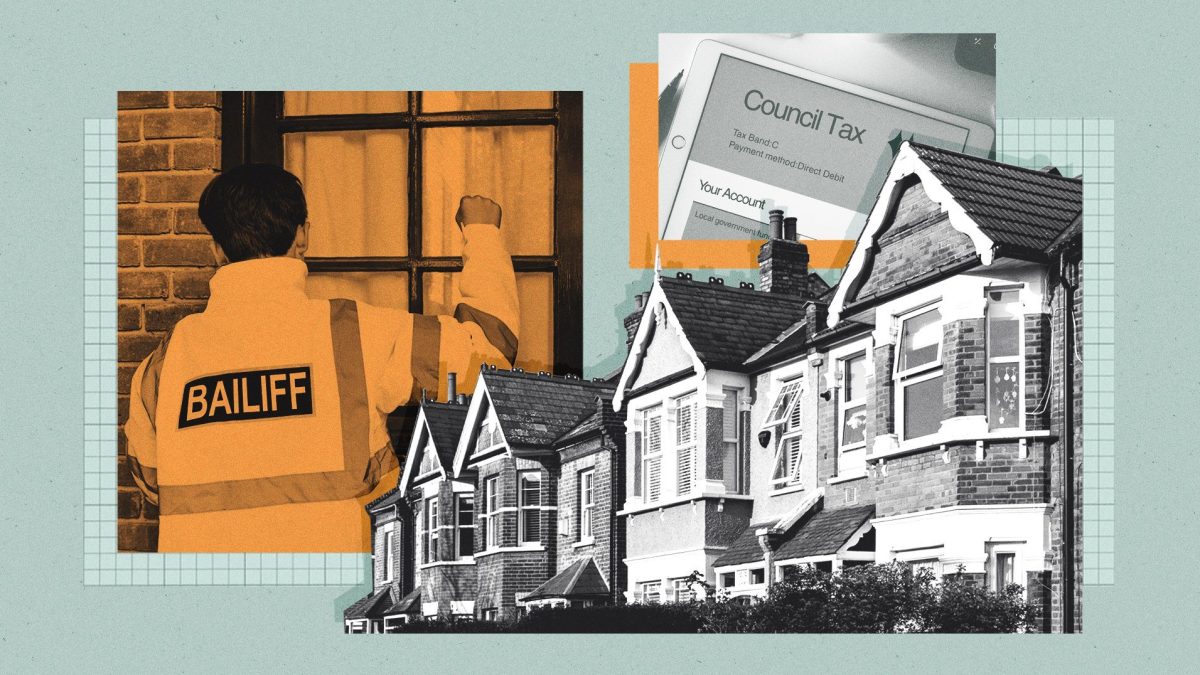
Cash-strapped councils are still instructing bailiffs to recover debts from vulnerable people despite the Government’s demand that they should stop, The i Paper can reveal. Data shared with The i Paper by the charity Money Advice Trust shows that at least 1.72million council tax arrears cases were referred for enforcement in the year 2025-26 – a 30 per cent rise in the last three years. The level of council tax arrears owed to local authorities hit a record £7.4bn earlier this summer and has been rising rapidly during the cost of living crisis. Shorts Campaigners have long criticised councils for the way they pursue debt, which means one missed payment can quickly spiral into thousands of pounds owed and “aggressive” enforcement action. After taking power in 2024, Labour announced an overhaul of rules about council tax debt collection which ministers promised would better protect vulnerable households, but the changes are not due to come into effect until April 2027. Councillors and campaigners now fear many local authorities are ramping up the use of bailiffs to recover arrears before the new rules come in – with some referring thousands more cases to debt collection agencies than they were last year. The figure has risen 30 per cent in just three years, when 1.3 million cases were passed to bailiffs in 2022/23, but remained relatively flat compared to last year’s 1.74 million referrals. People pursued for council tax arrears have described seeing their debts spiral after being put into the hands of collection agencies, with one telling The i Paper it had made his situation “10 times worse”. Steve Vaid, chief executive of the Money Advice Trust, the charity that runs National Debtline, called the latest figures “desperately disappointing”. “Council tax debt is one of the most common problems we help people with every day, and these figures paint a worrying picture,” he added. Hard-up councils chasing debts while hiking taxes The use of bailiffs to pursue council tax debts varies greatly across the country. Conservative-led Torbay Council in Devon saw the biggest rise in cases sent to bailiffs last year, with more than 18,000 referred compared to 1,145 in 2024/25. Swithin Long, leader of the Lib Dem opposition on Torbay Council, said it has raised concerns over the trend as its own figures show at least 23 per cent of the local population have fallen behind on their council tax in recent years. “We’re a deprived area and I just think people are struggling,” he said. He also claimed staffing problems meant some people had struggled to seek help with their debts.“There seems to be an issue of staffing in the council tax helpline. Council tax is one of those things that can sometimes be complicated and not something that can be done on a website.” Torbay, like many local authorities, has been hit by government funding cuts since 2011 – forcing it to make more than £500m in savings over that period. Cllr Long expressed concern that Torbay may be increasing the use of debt enforcement to claw back as much money as it can before the rules change next year. He said: “I suspect that’s right,” adding: “Councils should be about providing services rather than making money off them.” Wandsworth Council in London is another of the most prolific users of bailiffs, having referred nearly 10,000 cases of council tax debt last year. The authority says it is facing a perilous financial situation because of Labour’s new “Fair Funding” formula for councils which has handed out more cash on the basis of deprivation and has tended to favour urban areas in the North of England. The Conservative-led authority is said to be considering a council tax rise of 160 per cent to fill an £84m black hole in its finances. Bailiffs ‘made things 10 times worse’ David Obote, 44, is among those who have been confronted by bailiffs at his front door demanding thousands in council tax arrears. Mr Obote, who works in transport management, owed £6,000 after experiencing difficulties in his personal life, including an expensive child custody battle. He said he unsuccessfully attempted to negotiate with St Albans Council – which referred 1,729 cases to bailiffs last year – over a repayment plan before bailiffs turned up at his door as he prepared to take his daughter to school in 2022. David Obote has called for further reform of council tax debt practices Describing the experience as “horrible”, he said: “What they are doing, it’s like the Sheriff of Nottingham coming to take money from the little people. “I think the system needs to be on a case-by-case basis. It needs to be means-tested so that people can at least pay what they can afford.” Despite having since been able to sort his arrears through a debt relief order, he said the impact on his mental health of having bailiffs at his door had made things “10 times worse”. St Albans Council denied being unsympathetic to Mr Obote’s circumstances and said it uses enforcement agents as a “last resort”. Wandsworth Food Bank shared the story of Loraine, a service user who says she was pursued over a council tax debt that was originally less than £500 but ended up costing more than £3,000 once bailiff fees were added. “It’s scary,” she said. “You open the door, they put their foot in the door, and you can’t close it. It’s very intimidating. “You don’t want them to come in because you’re frightened, but you also don’t want your neighbours to see because of the shame.” “Once they’re in, it’s like, what money have you got? Have you got this? Have you got that? How much money have you got in your bank account? But I hadn’t got anything.” Loraine said that although bailiffs were not able to remove anything of value from her home, it left her feeling “sick”. “The Council needs to take people’s individual situations into consideration. Things do happen – some people can’t cope,” she added. Wandsworth Council was contacted for comment. Incoming rules will limit ‘aggressive’ debt collection Earlier this year, the Government announced a crackdown on council tax debt collection, with then local government secretary Steve Reed saying: “Too many families are facing aggressive enforcement action, with people left terrified of bailiffs knocking on the door because one month’s council tax bill was missed.” From next April, councils will have to wait 63 days, up from two weeks, before they can demand a full year’s council tax payment following a missed instalment. They will also have to offer more affordable repayment arrangements, and there will be a new £100 cap on court-related fees. Councils will also be expected to offer better protections for vulnerable households and a shift to 12 monthly payments, instead of the current 10, by default. Money Advice Trust has welcomed these changes following years of campaigning on council tax reform, but says further action is still needed. It is urging the Government to set out a series of steps councils must take before passing debts onto bailiffs and proposals to regulate the bailiff industry. A government spokesperson said: “Local authorities are responsible for the collection and enforcement of council tax but we expect them to be proportionate and sympathetic to people when taking action. “We have set out changes to give vulnerable people more time and support to settle outstanding bills, so we can make the system fairer.” A Torbay Council spokesperson said: “Council tax helps fund essential local services. We recognise that some residents face financial difficulty and encourage anyone struggling to contact us early to discuss payment options and support. “We aim to collect council tax fairly and effectively, while offering appropriate advice and support.”
Councils ramp up ‘aggressive’ use of bailiffs – despite being told to stop
Full Article
Original Source
Read the full article at Inews →KhanList aggregates and links to publicly available news content. We do not host full articles from third-party sources. Always verify important information with original sources.