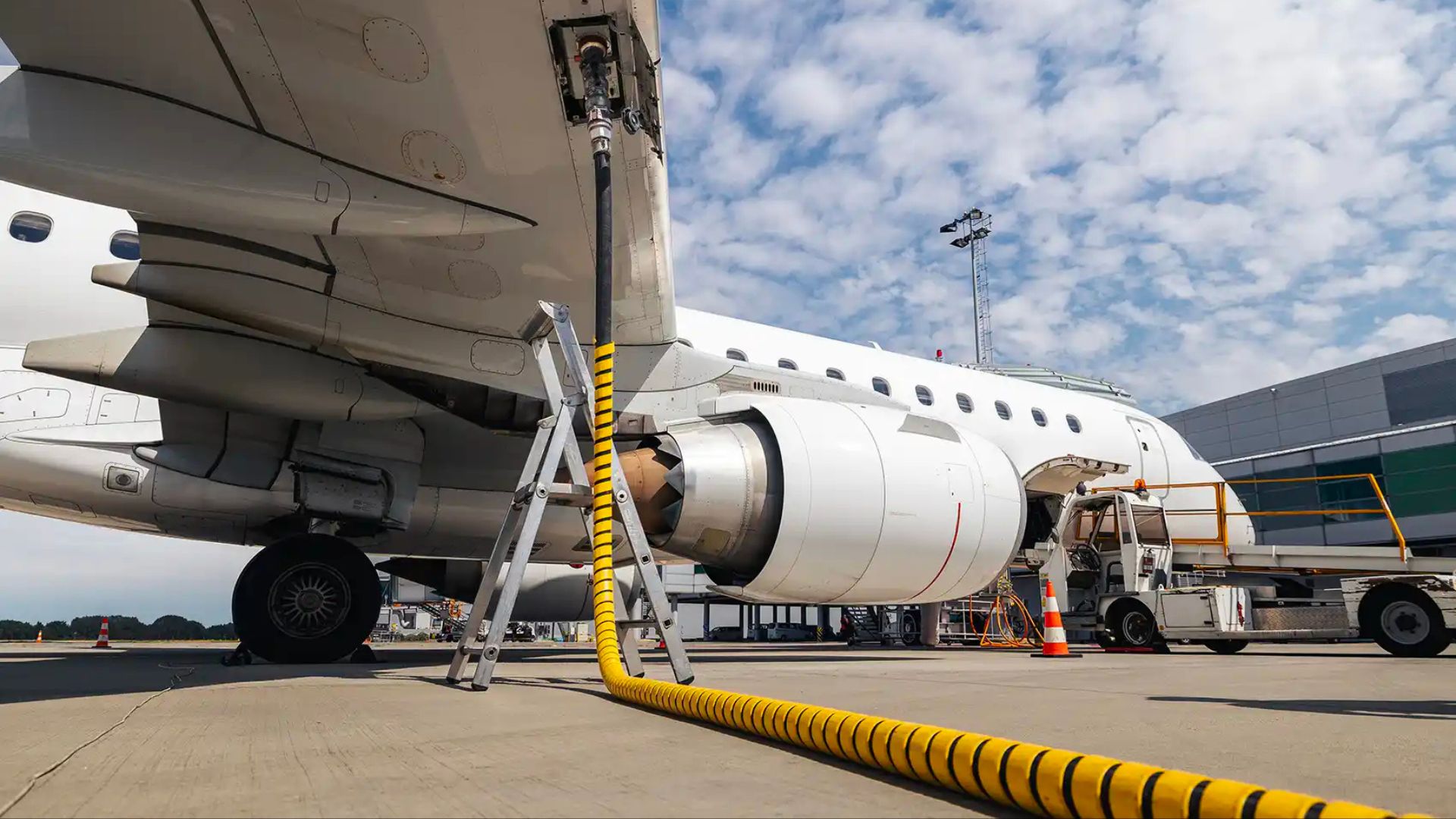
NASA-backed researchers have identified five alternative aviation fuels that could help meet rising jet fuel demand over the next 25 years. Their latest analysis argues that expanding beyond conventional Jet A and Jet A-1 could strengthen domestic fuel supplies and reduce reliance on imported oil. The study comes as airlines prepare for a sharp increase in fuel consumption worldwide. Researchers also point to growing concerns over supply constraints and price volatility in traditional jet fuel markets. SAF closest to scale The National Laboratory of the Rockies (NLR) evaluated sustainable aviation fuel (SAF), liquid hydrogen, liquefied natural gas (LNG), liquefied ethane, and an experimental fuel called Jet X. NASA funded the report, which examines each fuel’s production potential, technical readiness, and infrastructure needs. Researchers project global jet fuel demand will increase from just over 100 billion gallons in 2025 to 165 billion gallons by 2050. That forecast has renewed interest in fuels that can be produced using domestic feedstocks and electricity instead of imported crude oil. SAF remains the most mature option in the report. Airlines can already blend it with conventional Jet A fuel at concentrations of up to 50% without modifying existing aircraft or airport infrastructure. Most commercially available SAF comes from used cooking oil, animal fats, greases, and alcohol-based feedstocks. Scientists are also developing production methods that use algae, biomass, and municipal waste. Despite reaching the commercial market in 2016, SAF still accounts for only about 1% of global aviation fuel use. High production costs and limited biorefining capacity continue to slow wider adoption. NLR estimates available feedstocks could eventually support production of roughly 132 billion gallons of SAF annually. That volume would meet about 80% of projected global jet fuel demand in 2050 if production capacity expands. “The transportation fuel market is a global one,” said Kristi Moriarty, senior vehicle and infrastructure analysis researcher at NLR. Government decisions influence whether companies invest in new SAF plants and production pathways, she added, noting faster deployment would be needed to satisfy future demand. Cryogenic fuels emerge The report also examines liquid hydrogen, LNG, and liquefied ethane, which belong to a group known as cryogenic fuels. These fuels must remain in insulated tanks at very low temperatures to stay in liquid form. None of them can replace Jet A in today’s aircraft. Airports would need new fueling systems, aircraft manufacturers would have to certify new designs, and regulators would need global standards for handling and distribution. Researchers still see significant long-term potential. Liquid hydrogen offers high energy relative to its weight and produces no carbon emissions during flight, making it attractive for future regional aircraft. Several aerospace companies are already developing hydrogen-powered aircraft and propulsion systems. The Federal Aviation Administration is also working with NLR to prepare airports for future hydrogen operations. LNG could provide another lower-cost option because the United States has abundant natural gas resources. Liquefied ethane remains largely experimental, although researchers say it offers greater energy density than LNG and production continues to increase. Jet X remains experimental Jet X sits much earlier in development than the other fuels. Researchers are studying new liquid hydrocarbon chemistries that could improve fuel economy, reduce harmful aromatics, improve local air quality near airports, and limit contrail formation. The report says years of additional testing will be needed before Jet X can demonstrate compatibility with aircraft engines, airport equipment, and fueling infrastructure. Researchers believe continued work across multiple fuel pathways will give the aviation industry greater flexibility as demand continues to rise. Recommended ArticlesGet the latest in engineering, tech, space & science - delivered daily to your inbox.Aamir is a seasoned tech journalist with experience at Exhibit Magazine, Republic World, and PR Newswire. With a deep love for all things tech and science, he has spent years decoding the latest innovations and exploring how they shape industries, lifestyles, and the future of humanity.
Could hydrogen fuel aviation by 2050? NASA-backed study evaluates five alternatives
Full Article
Original Source
Read the full article at Interestingengineering →KhanList aggregates and links to publicly available news content. We do not host full articles from third-party sources. Always verify important information with original sources.