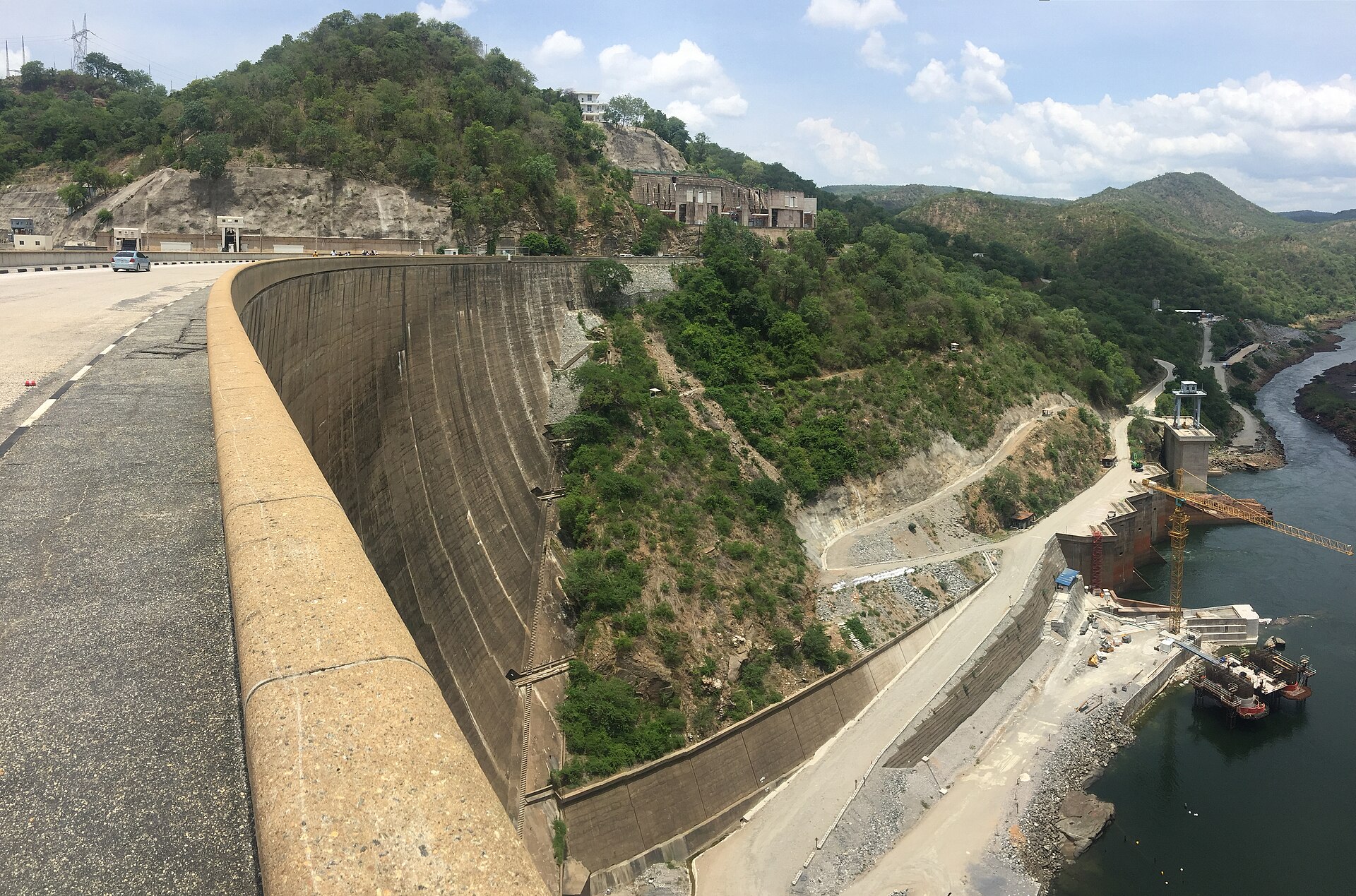
Prolonged droughts, especially those linked to the 2023–24 El Niño, exposed the vulnerability of Zambia and Zimbabwe’s hydropower-dependent electricity systems, triggering severe power shortages and renewing interest in coal.While coal is viewed as a short-term solution to stabilize electricity supplies and support industrialization, it could undermine Paris Agreement commitments, lock in carbon emissions and reduce export competitiveness as trade rules that put a cost on carbon emissions come into play.Households and businesses in Zimbabwe are increasingly investing in rooftop solar, demonstrating that decentralized renewable energy is becoming a practical response to unreliable grid electricity.Although solar power is becoming more cost-effective, limited access to finance and policies that continue to favor fossil fuels are slowing the transition to cleaner, climate-resilient energy systems across Southern Africa. LUSAKA —For years, Zambia and Zimbabwe have boasted of enviable success in harnessing hydropower. More than 80% of Zambia’s power supply and about half of neighboring Zimbabwe’s supply came from hydropower sources in 2024. But climate change has continued to expose the fragility of this dependence. Successive droughts, linked to the 2023-24 El Niño, caused water levels in Lake Kariba, formed by a dam on Zambezi River, to drop, drastically reducing electricity generation. It precipitated one of the region’s worst energy crises in decades. Against this backdrop, coal re-emerged as an attractive, although controversial, option. According to the Global Energy Monitor’s Boom and Bust Coal 2026 report, Zambia and Zimbabwe accounted for more than two-thirds of all new coal power proposals announced in Africa in 2025. Some energy experts argue that coal offers the quickest route to stabilizing electricity supplies and sustaining industrial growth, particularly for the mining sector. Electricity systems in Zimbabwe and Zambia power mining activities, industries and help meet the needs of growing urban populations. However, others warn that expanding coal-fired power risks locking both countries into decades of carbon emissions at a time when renewable energy technologies — especially solar — are becoming increasingly affordable. For Zimbabwe, however, coal has never completely disappeared from that country’s energy landscape. Power Shift Africa Campaigns Manager Kudakwashe Manjonjo said Zimbabwe’s reliance on coal is rooted in history. “Zimbabwe has always been a significant coal-producing country. I live in Hwange, home to one of the largest coal mines on the continent. Coal has historically been central to Zimbabwe’s economy, and the current government’s policy is essentially that all energy is good energy,” Manjonjo told Mongabay. Zimbabwe’s openness to coal investment is closely linked to its industrialization ambitions, he said. Large industries such as the Chinese-backed Dinson Steel plant in Midland’s province rely heavily on coal. “The re-emergence of Zimbabwe’s industry is being built largely on coal. Coal from western Zimbabwe is transported to industrial centers where it powers steel manufacturing and other heavy industries,” he said. A view of Kariba Dam. Image by JonTG via Wikimedia Commons (CC BY-SA 4.0). The Kariba Dam situated on the Zambezi River is critical for both countries’ power supply. The electricity generated from the Kariba hydroelectric complex, operational since 1960, is shared equally between Zambia and Zimbabwe. Climate change is making rainfall increasingly unpredictable, raising concerns about overdependence on large dams like Kariba. The 2023–24 El Niño phenomenon intensified drought conditions across Southern Africa, reducing rainfall and Zambezi River inflows into Lake Kariba. The reduced water availability constrained electricity generation. Both Zimbabwe and Zambia experienced power cuts. Businesses struggled to operate; households endured power cuts lasting up to 18 hours a day; and mining companies, a critical sector for both countries, faced mounting production losses due to insufficient power supply. The two governments were forced to import electricity, introduce strict load-shedding schedules and search for alternative energy sources. The governments increased coal-fired generation to cushion industries and urban centers from prolonged blackouts. “Coal became the emergency response because hydropower could no longer meet demand,” Manjonjo said. ‘Not the long-term solution’ Despite the government falling back on coal, Manjonjo said Zimbabwe’s renewable energy transition is already underway — led not by the state but by citizens. Thousands of households and businesses have installed rooftop solar systems to reduce dependence on the unreliable national grid. “People are the biggest investors in renewable energy in Zimbabwe today,” he said. “About six to eight percent of Zimbabwe’s electricity now comes from net-metering systems, a billing system that allows people to generate their own electricity using solar panels and feed any excess energy back into the national grid. Communities and individuals are driving the renewable energy revolution, and that often goes unnoticed.” While coal may temporarily bridge electricity shortages, Manjonjo argued it is neither economically sustainable nor compatible with Zimbabwe’s climate commitments. “Coal is definitely not the long-term solution,” he said. Energy analyst Johnstone Chikwanda said Zambia’s renewed interest in coal-fired power generation reflects an urgent response to worsening electricity shortages rather than a shift away from its climate commitments. But he warned that expanding coal generation could also make it more difficult for Zambia to meet its commitments under the Paris Agreement by locking in greenhouse gas emissions for decades. He noted, however, that newer facilities, including those operated by Maamba Energy Limited, have adopted lower-emission technologies than conventional coal plants, reflecting efforts to reduce their environmental footprint. A continued reliance on coal could also jeopardize gains from industrial growth. Manjonjo noted trade measures that place a cost on carbon emissions including the European Union’s Carbon Border Adjustment Mechanism, will increasingly penalize carbon-intensive exports. “If Zimbabwe continues building its industrial future around coal, our products will eventually become less competitive on international markets,” he said. He also argued that coal’s true costs extend far beyond electricity generation. “Once you account for health impacts, pollution and environmental damage, coal is actually much more expensive than renewable energy,” he said. Zimbabwe has defended continued coal investments by arguing that, as a developing country with relatively low historical emissions, it still has room within the global carbon budget. Manjonjo believes that interpretation misses the spirit of the Paris Agreement. “Yes, there are common but differentiated responsibilities under the Paris Agreement, but that doesn’t mean countries should increase coal production when cleaner alternatives are available,” he said. The Hwange region of Zimbabwe, which is home to the Hwange Thermal Power Station. Image by Anita Gould via Flickr (CC BY-NC 2.0). The alternatives Manjonjo argues that Zimbabwe possesses abundant renewable energy resources, including solar, wind, hydropower and access to electricity trading through the Southern African Power Pool. Although solar technology has become significantly cheaper globally, affordability remains a major obstacle across Africa. “The biggest challenge is financing,” Manjonjo said. “Solar is cheaper than coal over its lifetime, but the upfront investment is still too expensive for many households and businesses.” Chikwanda said Zambia’s greatest opportunity lies in rapidly expanding solar energy to complement hydropower. With abundant sunshine throughout the year, solar generation typically peaks during the dry season when hydropower output is constrained by low water levels, making the two sources naturally complementary. “The biggest challenge is not the availability of renewable resources,” Chikwanda said. “It is access to affordable finance, transmission infrastructure and supportive policies that can attract private investment into a more diversified and climate-resilient energy system.” Manjonjo said future energy systems will likely require diversified generation combining hydropower, decentralized solar, wind and regional electricity trade rather than renewed dependence on coal. While projects such as the proposed Batoka Gorge Hydroelectric Scheme may expand future hydropower capacity, Manjonjo said distributed renewable energy offers the greatest opportunity to improve electricity access, particularly in rural communities that remain underserved by ageing transmission networks. “Coal does not solve rural energy poverty,” he said. “Distributed renewable energy does.” Banner image: A view of Kariba Dam. Image by JonTG via Wikimedia Commons (CC BY-SA 4.0). Feedback: Use this form to send a message to the author of this post. If you want to post a public comment, you can do that at the bottom of the page. Credits Topics
Climate shocks hit hydropower in Southern Africa, reviving interest in coal
Full Article
Original Source
Read the full article at News →KhanList aggregates and links to publicly available news content. We do not host full articles from third-party sources. Always verify important information with original sources.