
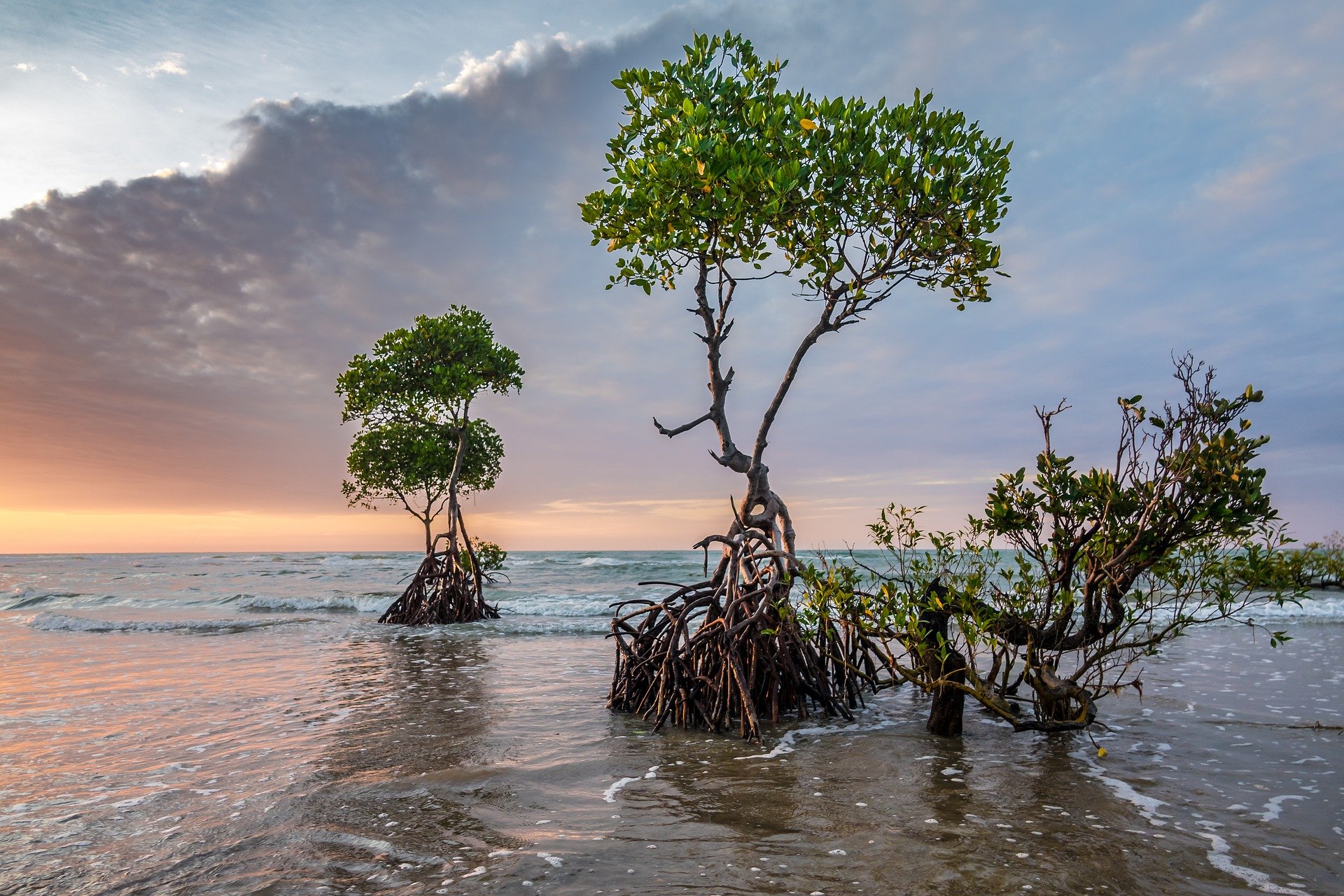
Between 1998 and 2020, mangrove cover in China more than doubled, while the number of bird species recorded in those areas rose from 148 to 397, according to findings published in The Innovation. The recovery follows decades of steep decline: China lost nearly 70% of its mangroves between 1950 and 1990. Since then, the government has set aside mangrove reserves and restored degraded areas, including former aquaculture ponds. Rising temperatures and increased rainfall have also favored mangrove growth, according to the researchers. Image courtesy of Yang et al., 2026 (CC BY 4.0). The additional forest offers birds more nesting and roosting sites, and may have boosted populations of fish and other aquatic organisms on which many birds feed. The number of globally threatened bird species recorded in China’s mangrove habitats rose from 11 to 21 over the study period. Not all birds stand to benefit as the forests mature. Sandpipers and plovers feed on exposed mudflats and in openings among the trees. Both may become scarcer as mangroves grow denser. Elsewhere, too, mangroves are reclaiming lost ground. A study published in Science in June found that the world’s mangroves had been expanding since around 2010, offsetting much of the loss of the preceding decades. A separate assessment by Global Mangrove Watch found a net increase of 477 square kilometers (184 square miles) between 1985 and 2025 — a modest gain of 0.3% over four decades. Much of the new forest has grown without anyone planting a tree. Banner image: Mangroves at sunset. Image courtesy of Pat Josse via Wikimedia (CC0 1.0) Credits Topics
China’s mangroves have bounced back. Birds have returned too
Full Article
Original Source
Read the full article at News →KhanList aggregates and links to publicly available news content. We do not host full articles from third-party sources. Always verify important information with original sources.