
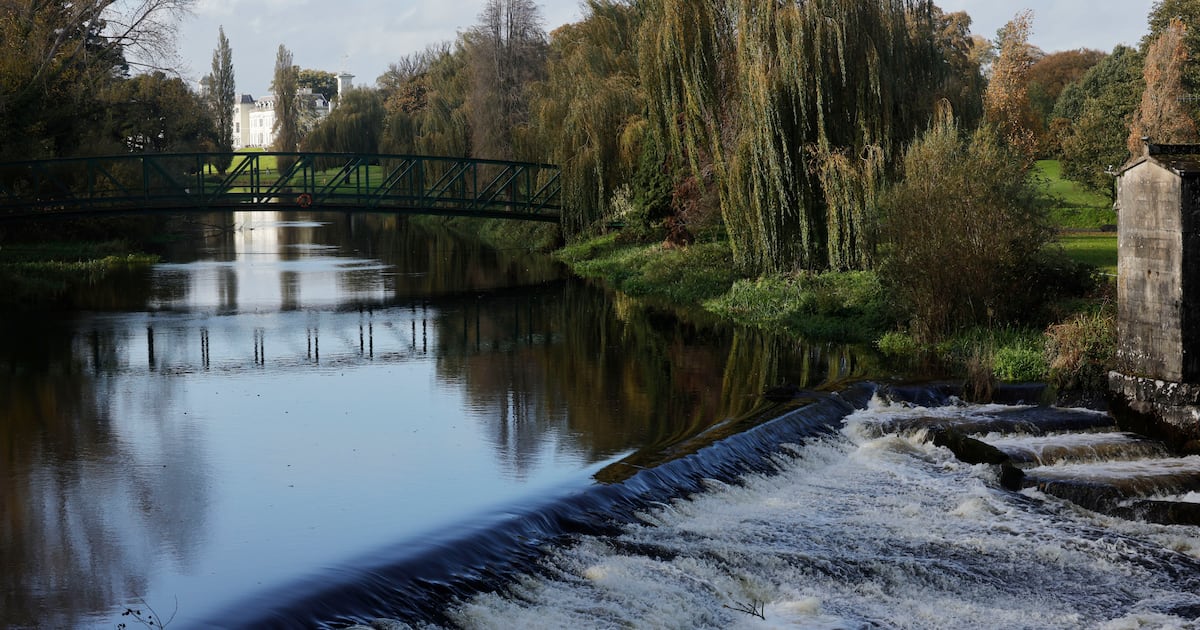
Local authorities are to examine the impact of centuries-old weirs on migrating salmon in the river Liffey as they look to arrest a steep decline in numbers of the fish.Recent fish counter data from Inland Fisheries Ireland (IFI) show numbers of Atlantic salmon have collapsed over the last 20 years, leaving the stock at risk of local extinction. The river has been closed as a salmon fishery. The salmon stock in the Liffey is one of the most acute examples of a general decline across Ireland. Estimates from IFI and the International Council for the Exploration of the Sea show wild salmon returning to Irish waters fell from up to two million in peak years in the 1970s, to under 200,000 in recent times.READ MOREFingal County Council, Dublin City Council and South Dublin County Council, all of which have administrative areas bordering the Liffey, are now taking part in an initiative to help reverse the decline.While the causes behind the declines are complex, the new project will look at the issues the local authorities can address, including water quality and the impact of barriers to salmon and other fish species attempting to return to the Liffey to spawn.An assessment by IFI of seven weirs downstream of the dam at Leixlip has already shown that each poses a significant barrier to upstream and downstream migration of salmon and other fish species such as sea trout, eel, lamprey and shad.[ Oil spill investigated as possible cause of death of seagulls in River LiffeyOpens in new window ]The weirs were originally built to support mills and industrial activities that ceased in the last century and they continue to have an important heritage value, while also supporting recreational and amenity uses. However, the weirs also remain significant barriers to fish migration, as they create lengthy impoundments which make fish more vulnerable to increased water temperatures, predation and poor water quality. EU legislation requires free movement of migrating fish in all of Ireland’s rivers.Fingal County Council project manager Hans Visser said the initiative will look at “the impact of these barriers to fish passage” and examine solutions to allow salmon and other fish to migrate upstream and downstream.“There is a real risk that salmon will become extinct on the river Liffey in the coming years,” he said. Fingal County Council will now work with the other councils and stakeholders to attempt to reverse these declines as a matter of urgency, he said. Visser added that engagement with all stakeholders, including amenity users and communities along the Liffey, “will be an important part of the project”. [ Why is it so hard to find the source of the river Liffey?Opens in new window ]
Centuries-old weirs in the river Liffey to be examined as Atlantic salmon numbers plummet
Full Article
Original Source
Read the full article at Irishtimes →KhanList aggregates and links to publicly available news content. We do not host full articles from third-party sources. Always verify important information with original sources.