
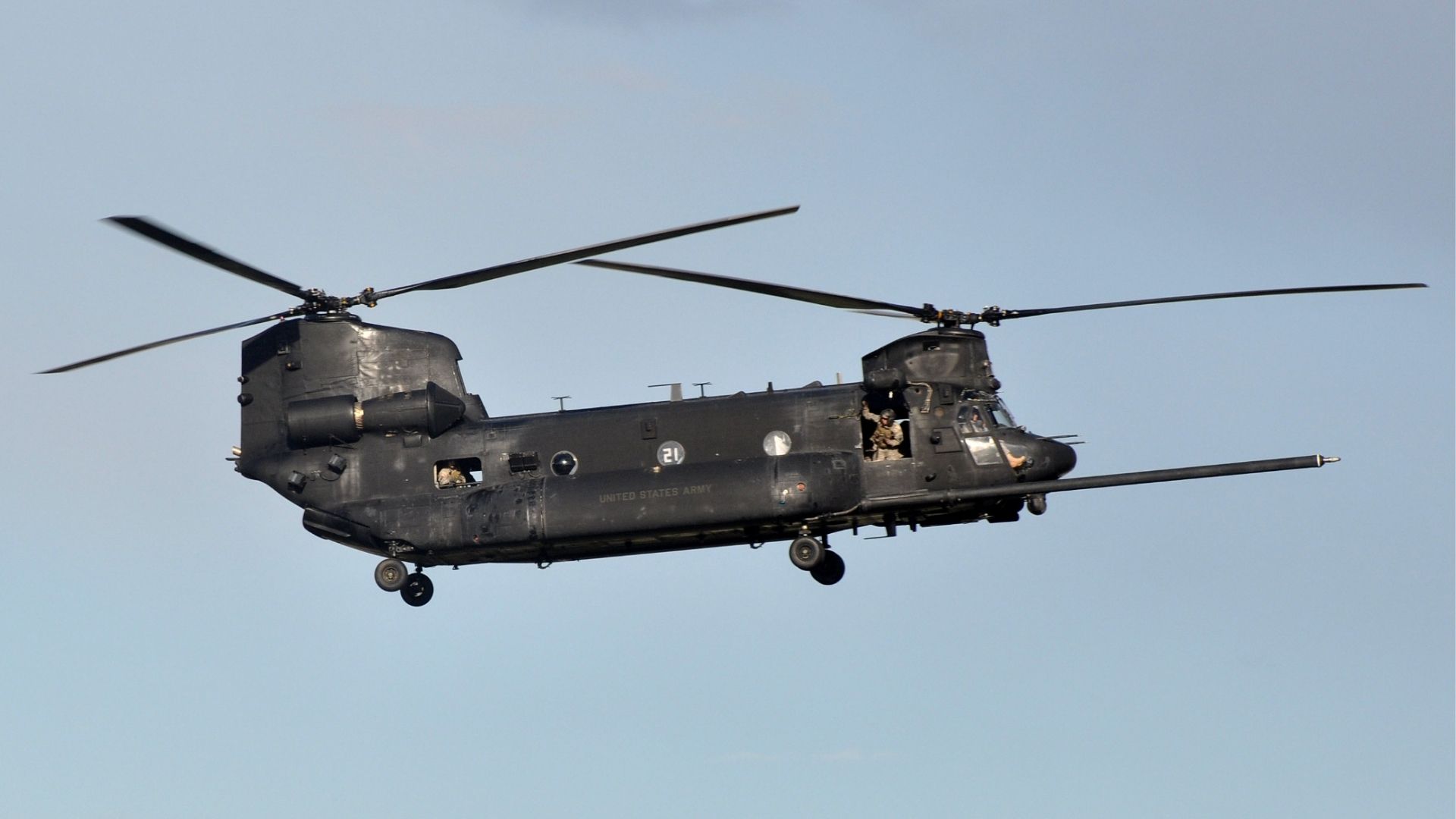
The U.S. Special Operations Command has awarded Boeing a $55.4 million contract to equip MH-47G Block II Chinook helicopters with an advanced flight-control augmentation system. It is designed to reduce pilot workload and improve aircraft handling during demanding missions. Under the firm-fixed-price order, Boeing will supply the Active Parallel Actuator System (APAS) and associated components, with work expected to be completed by August 2033. The system is intended to improve safety and control while helping pilots operate more accurately during complex maneuvers. APAS adds tactile feedback to Chinook controls Developed by Boeing in collaboration with BAE Systems, APAS works alongside the Digital Automatic Flight Control System already installed on CH-47F and MH-47G helicopters. The system was developed specifically for aircraft that do not use fly-by-wire controls. Instead of replacing the Chinook’s existing flight-control mechanisms, APAS interfaces with them to provide pilots with tactile cues and force feedback. These cues alert pilots as the helicopter approaches its operating limits. The additional feedback allows crews to maneuver closer to the edge of the aircraft’s flight envelope while maintaining greater control and improving task accuracy. The technology is also designed to reduce the workload on pilots during demanding operations, where precise aircraft handling can be critical. Boeing adds system to Chinook production Boeing began installing APAS on its Chinook production line earlier this year. In February, the company fitted the system to a UK Extended Range Chinook before incorporating APAS into standard production in April. The MH-47G Block II was designed to become the first Chinook variant to receive APAS as standard equipment. The helicopter is operated by the U.S. Army’s 160th Special Operations Aviation Regiment, commonly known as the Night Stalkers. The aircraft is configured for long-range and low-level infiltration missions and includes terrain-following radar, aerial refueling capability, advanced navigation systems, and extended fuel tanks. Those capabilities are intended to support missions that can require crews to operate at low altitude and over extended distances. Built for demanding special operations missions Boeing has positioned APAS as a technology suited to the difficult operating conditions faced by special operations aviation crews. “Special Operations Aviation performs some of the most challenging missions imaginable,” said MH-47G project manager and former US Army 160th Special Operations Chinook pilot Jason Hickman. “Technology like APAS fits perfectly in that portfolio and can work fantastically in other mission profiles, whether it’s a tactically high-risk urban mission with the best pilots in the world at the controls or a tactically low-risk mission with an inexperienced crew,” he added. By providing physical feedback through the helicopter’s existing controls, APAS is intended to give crews a clearer indication of how close the aircraft is operating to its limits. The latest order will extend the system’s integration into the MH-47G Block II fleet as Boeing continues supplying the components required for the upgrade through August 2033. Get the latest in engineering, tech, space & science - delivered daily to your inbox.Atharva is a full-time content writer with a post-graduate degree in media & amp; entertainment and a graduate degree in electronics & telecommunications. He has written in the sports and technology domains respectively. In his leisure time, Atharva loves learning about digital marketing and watching soccer matches. His main goal behind joining Interesting Engineering is to learn more about how the recent technological advancements are helping human beings on both societal and individual levels in their daily lives.
Boeing to equip safer flight control system in US’ special ops Chinook helicopters
Full Article
Original Source
Read the full article at Interestingengineering →KhanList aggregates and links to publicly available news content. We do not host full articles from third-party sources. Always verify important information with original sources.