
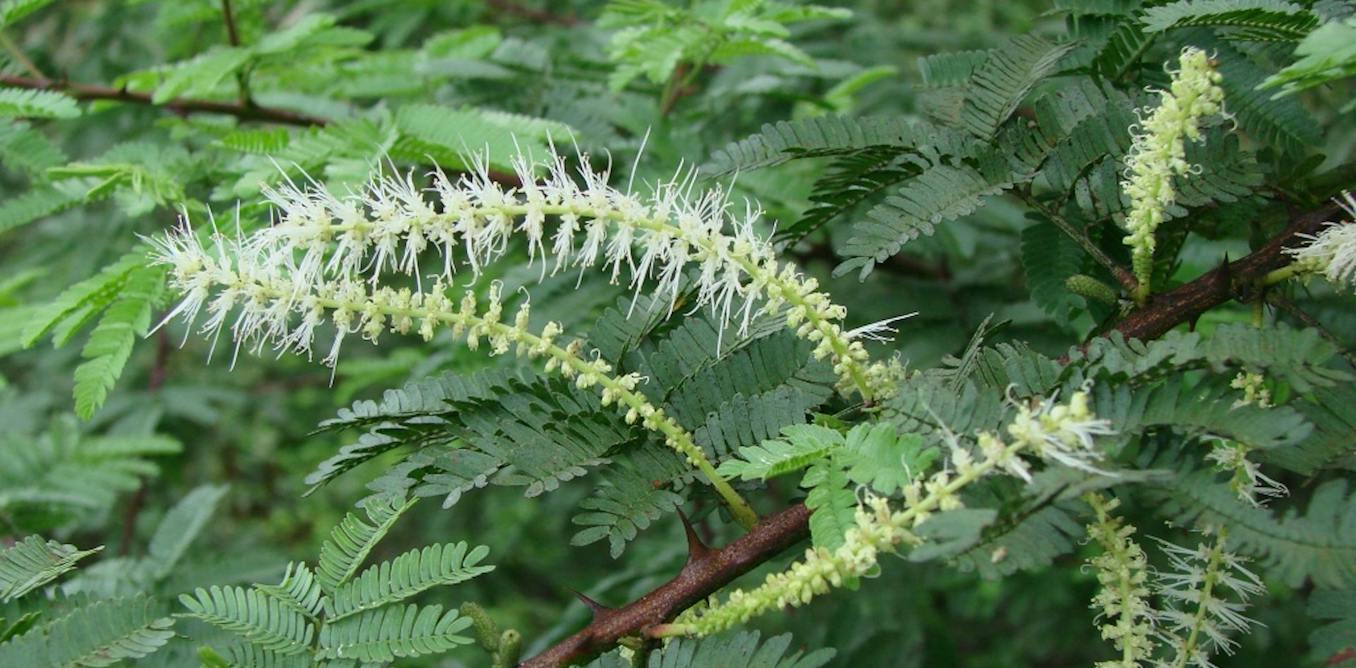
Jurema-preta is the name of both a plant – Mimosa tenuiflora – and an indigenous spiritual tradition of northeastern Brazil. The plant is used to make a potentially hallucinogenic brew that is consumed in sacred rituals. The exact mixture of herbs and other elements contained in the brew is a secret known only by jurema mestre shamans and never revealed. In 2024 I had the opportunity to visit, as an anthropologist, the city of Natal, in Brazil’s Rio Grande do Norte region, which is a hotspot of the jurema cult. While there, I learned that jurema’s power is as much social as it is chemical. The sacred and molecular properties of the plant are currently fostering all manner of exciting (though challenging) connections between indigenous knowledge and neuroscience. But jurema’s power goes beyond the plant and its ceremonies, as the jurema cult provides a radically plural space that welcomes all kinds of non-normative identities. Therapuetic psychedelics In recent years, neuroscientists from the Brain Institute of the Universidade Federal do Rio Grando do Norte, in Natal, have conducted groundbreaking research into jurema’s healing potential. In particular, they have found that the plant contains N,N-dimethyltryptamine, popularly known as DMT. DMT is a powerful molecule that, when released into the brain, generates intense visions and induces states of trance. But jurema’s effects are not just the result of ingesting DMT. As with the better known ayahuasca, the traditional recipe of the ritual brew is what allows DMT molecules to reach the brain. In their traditional preparation, both jurema and ayahuasca brews contain specific chemical inhibitors of the enzymes that would otherwise degrade the molecule in the stomach. To date, it is unclear how indigenous peoples found the combination of plants and cooking techniques that allow DMT to make it through the stomach and reach the brain. In recent years, there have been significant advances in research into the healing potential of substances such as MDMA, psylocibin, LSD and DMT. This psychedelic renaissance – which unites the fields of neuroscience, psychiatry and psychopharmacology – is finding new molecular pathways to treat PSTD, anxiety, addiction, and depression. DMT, in particular, seems to excel in mitigating depression. Scientists at the Brain Institute in Natal have shown that the DMT extracted from jurema and inhaled by vaporisation has a rapid and powerful antidepressant effect, which can last for weeks. But the institute is not just researching the plant and its molecules. It is also documenting – and engaging with – the Indigenous traditions that have been using this plant for centuries. Science in dialogue with indigenous knowledge In an innovative, non-traditional approach to research, scientists and jurema mestres have started to hold regular meetings to exchange perspectives on the plant. The goal is to include local communities and jurema shamans in a debate on how to respectfully relate to the sacred plant, while also pursuing scientific research into DMT as a possible treatment for a range of mental health issues. This dialogue is, however, far from easy. While scientists at the Brain Institute try to approach the jurema with care towards other forms of understanding the plant, some mestres reject any scientific uses of any kind. Recently, researchers at the Brain Institute have even abandoned the idea of extracting DMT from the jurema, focusing instead on synthetic DMT. But some shamans worry that the practice could become more widespread, and that other labs would not treat the chemical with proper care and respect. These unresolved tensions are thoroughly described in a series of articles and a book by Brazilian journalist Marcelo Leite. Mimosa tenuiflora is a fern-like plant that has to be specially prepared to activate its psychoactive properties. Drewpiter/Wikimedia Commons, CC BY In his book, Leite notes a key aspect of current jurema cults, something I could confirm from my own ethnographic experience in Natal: most of the brews used in current rituals are not prepared in a way that allows DMT to reach the brain. So, if its psychedelic effects are not always present, where does the power of the jurema reside? A broad, accepting culture In Natal, jurema rituals bring together all kinds of people and sensibilities. Following the work of anthropologist Luiz Assunção, an expert in the history of this religion, I was able to verify the richness, diversity and symbolic exuberance of the cult, which many practitioners consider as a science. The variety of symbols that make up a jurema ritual is unfathomable. Each combines theological and spiritual references that range from indigenous animism to Catholic Christianity, Afro-Brazilian candomblé, spiritism, and even elements of Islam. During my ethnographic survey in Natal, I attended rituals where practitioners danced, sang, played drums, took oaths and were seemingly possessed by spirits. One of the most striking things I noticed is that many of the practitioners belonged to the LGTBQ+ collective. Many of these identities are not accepted in other religious traditions that are far more present in the region, such as evangelism. A 2023 book on Natal’s ancestral religion and culture includes a chapter on a trans woman who became a mestre juremeira. The jurema plant has many interconnected potentials. One is its capacity to expand consciousness and induce states of spiritual trance. Another is the healing potential of DMT, which can have a powerful effect on symptoms of depression. But its most significant power is not molecular, but relational. Both the plant and the cult create dialogue and connection between unlikely bedfellows: between indigenous peoples and neuroscientists, and between people with traditional and non-normative identities. The power of the jurema therefore also lies in creating connections between radically different kinds of people. A weekly e-mail in English featuring expertise from scholars and researchers. It provides an introduction to the diversity of research coming out of the continent and considers some of the key issues facing European countries. Get the newsletter!
Beyond DMT: why the true power of Brazil’s sacred jurema plant is social, not just psychedelic
Full Article
Original Source
Read the full article at Theconversation →KhanList aggregates and links to publicly available news content. We do not host full articles from third-party sources. Always verify important information with original sources.