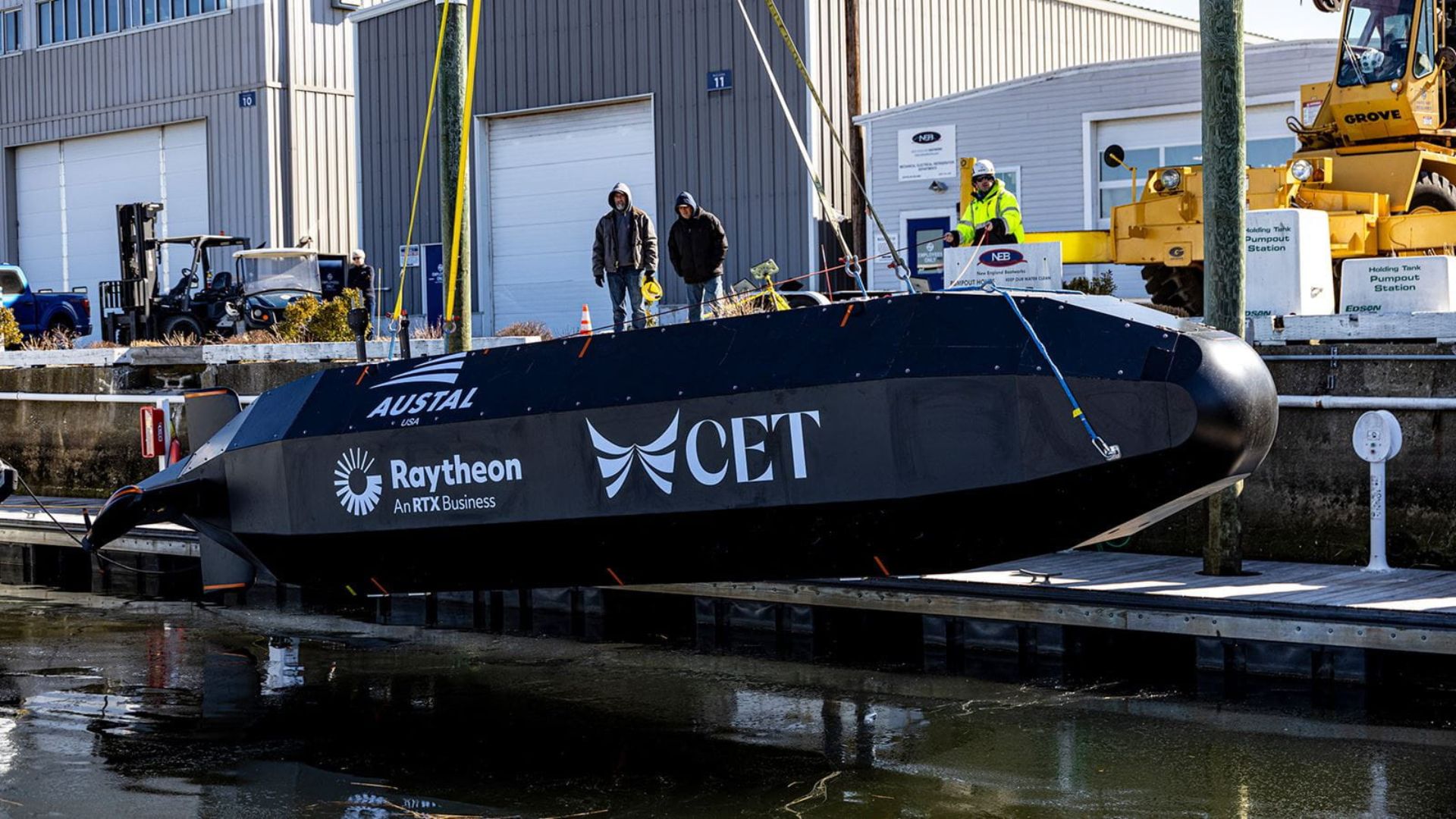
Raytheon and Composite Energy Technologies (CET) have demonstrated a new underwater launch capability for the HADALUS unmanned undersea vehicle (UUV). The U.S. Navy witnessed the demonstration during a recent exercise at an undersea test range. HADALUS successfully launched a payload while operating beneath the ocean surface. The test marks the first time the Navy has observed the integrated capability in the water. The milestone could expand how the U.S. Navy uses long-endurance autonomous underwater vehicles. It also moves HADALUS toward missions that combine sensing, target reacquisition and engagement within one deployment. Underwater launch Launching equipment underwater creates engineering challenges that surface-launched systems avoid. The vehicle must maintain control while submerged and coordinate its payload systems without relying on a conventional launch platform. HADALUS now offers that capability from a relatively compact UUV. Its underwater launch system works alongside the vehicle’s sonar, electronics, and other mission equipment. That combination could give the Navy more flexibility during future undersea operations. An unmanned vehicle could remain underwater for extended periods without requiring a surface ship to expose its position. The concept also fits a broader U.S. defense push toward distributed unmanned systems. More autonomous platforms could cover larger areas while reducing the burden on crewed vessels. Long-range design HADALUS measures 34 feet long and has a six-foot cross section. The UUV can travel more than 2,000 nautical miles, giving it substantial endurance for an unmanned platform. Its structure takes an unusual approach to underwater vehicle construction. CET built the vehicle around a free-flooded carbon-fiber exoskeleton. Water can move through parts of the structure instead of the vehicle relying on a fully enclosed conventional hull. That architecture can reduce structural demands and leave more space for payloads. Cost also plays a major role in the HADALUS design. Raytheon and CET estimate that the vehicle could cost one-third to one-fifth as much as comparable long-endurance UUVs. Lower costs could prove important as the U.S. Navy looks to expand its undersea drone fleet. A more affordable platform could support larger numbers of vehicles across wide operating areas. Rapid development Raytheon and CET reached the sea demonstration in less than 18 months. The effort began with a concept before moving through vehicle construction, system integration and testing. Raytheon supplied mission-system expertise, including sonar and electronics integration. CET contributed its composite vehicle architecture and manufacturing experience. Jen Gauthier, Raytheon’s vice president for Naval Systems & Sustainment, said the demonstration supports faster development of autonomous undersea capabilities. She also pointed to the reduced detectability of submerged unmanned platforms. CET CEO Chase Hogoboom said the project shows how the undersea industrial base can accelerate development. He also highlighted the potential to produce the platform at a lower cost than conventional alternatives. The latest test does not mean HADALUS has reached full autonomous combat capability. It does show that the platform can support increasingly complex underwater missions.For the U.S. Navy, the combination of long endurance, underwater launch capability and lower projected cost could make HADALUS an important platform to watch. Further testing will determine how effectively the UUV can translate those features into operational missions.Recommended ArticlesGet the latest in engineering, tech, space & science - delivered daily to your inbox.Aamir is a seasoned tech journalist with experience at Exhibit Magazine, Republic World, and PR Newswire. With a deep love for all things tech and science, he has spent years decoding the latest innovations and exploring how they shape industries, lifestyles, and the future of humanity.
Autonomous underwater drone launches submerged payload after 18 months of development
Full Article
Original Source
Read the full article at Interestingengineering →KhanList aggregates and links to publicly available news content. We do not host full articles from third-party sources. Always verify important information with original sources.