
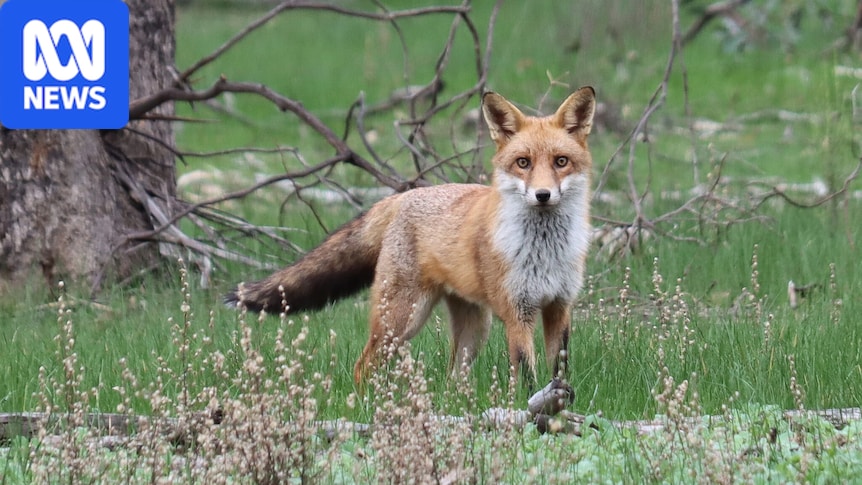
H5 bird flu has been detected in a fox in Victoria's south-west, in the state's first recorded case in mammals, authorities say.Authorities also suspect a dolphin found dead at Lorne died of the virus.Acting chief veterinary officer Cameron Gunn said the infected fox was found dead on Victoria's Surf Coast."We have now confirmed H5 bird flu in a red fox recently found at Torquay collected through our ongoing surveillance and monitoring effort," Dr Gunn said.Authorities suspect a dolphin died from bird flu off Victoria's south-west coast. (Supplied: South Coast Cetaceans)But authorities are not concerned about foxes spreading the disease."Wild foxes and other scavenging pests have not generally been shown to spread the actual virus when they become infected," Dr Gunn said.The greater risk was of foxes moving infected carcasses around, he said.Victoria has recorded 212 positive cases in birds from a total of 892 investigations conducted since June 20.Victorian authorities have detected H5 bird flu in numerous species, including greater crested terns, magpies and little penguins.A little penguin on Phillip Island died from the virus last month and the state is in the process of vaccinating the colony.Little Penguins at Phillip Island are being vaccinated against bird flu. (Supplied: Phillip Island Nature Parks)Breeding season riskThe discovery of the dead dolphin at Lorne comes a week after the death of a dolphin on South Australia's Fleurieu Peninsula from H5 bird flu.Victorian chief biodiversity officer James Todd said detections in seals and dolphins were not unexpected, and the virus was expected to spread to new species and other parts of Victoria."Particularly as we head into the spring breeding season, where large numbers of birds typically flock and aggregate around, for example, coastal estuaries and inland waterways and wetlands," Dr Todd said.As a result, the government was focusing its surveillance on areas deemed high-risk, including the Mornington Peninsula, Port Phillip Bay, Western Port Bay and the Gippsland Lakes.Bird flu has been found in many dead crested terns along Victoria's south-west coastline. (ABC News: Jean Bell)Vaccinations resultsA dead bird found on Sydney's northern beaches last week has been confirmed as the city's first case of H5 bird flu, bringing NSW's total to 20.Wildlife advocacy group Birdlife Australia said it was concerned about the virus's effect on endangered species.Birdlife Australia senior public relations adviser Sean Dooley said the virus could spread "quite rapidly" and he was most concerned about it spreading to breeding colonies of endangered species.NSW announced a vaccination program in August, and the Victorian government has vaccinated about 1,000 little penguins.Dr Todd said the vaccinated penguins on Phillip Island and at St Kilda Pier had shown an immune response and no adverse impacts."Of course, we know that vaccination is not a silver bullet," he said."It is a tool that can be used in targeted situations, mostly for captive populations and highly managed and well-studied wild populations like little penguins at Phillip Island and St Kilda."Threatened species held by Zoos Victoria and other wildlife centres would be prioritised for vaccination, he said.But he warned Australia was still at the beginning of the spread of the virus and people should expect that wildlife would continue to suffer and die."Overseas experience shows that wildlife or impacted wildlife populations can recover from H5 [bird flu] and they can adapt and in some cases they can also build natural immunity," Dr Todd said."But it's also observed from overseas that the virus can continue to impact on populations even at a time when they might be starting to recover."
Authorities confirm bird flu in fox and suspected case in dolphin
Full Article
Original Source
Read the full article at Abc →KhanList aggregates and links to publicly available news content. We do not host full articles from third-party sources. Always verify important information with original sources.